
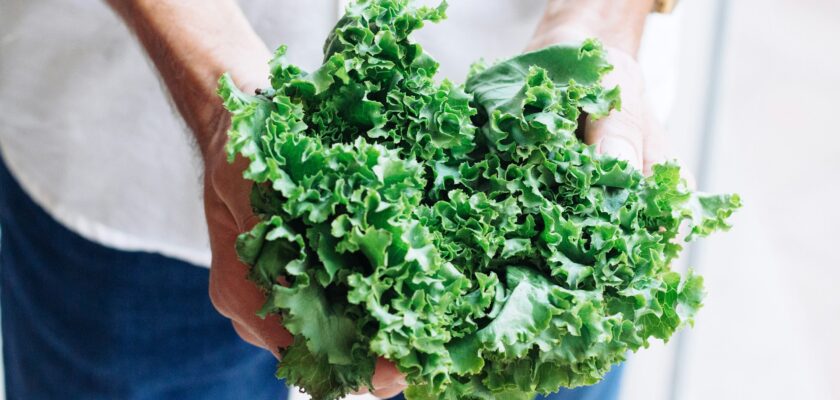
There isn’t enough attention about the benefits of kale.
Kale has earned its reputation as a superfood, making regular appearances in health-conscious kitchens, smoothies, salads, and even juices. It’s not just a trend—there’s real science behind why kale is hailed as one of the most nutrient-dense vegetables you can eat. Whether you’re already a fan or considering adding more greens to your diet, understanding what makes kale such a powerhouse can help you make the most of this leafy green.
1. Packed with Vitamins and Minerals
Kale is an excellent source of essential vitamins and minerals, especially those that support immune health and overall well-being. A single cup of chopped, raw kale provides:
- Vitamin K: More than 1000% of the recommended daily value (DV), kale is a top source of vitamin K, which is critical for blood clotting and bone health.
- Vitamin A: Kale contains beta-carotene, which your body converts into vitamin A. This vitamin is vital for vision, skin health, and immune function.
- Vitamin C: It contains a hefty amount of vitamin C, a powerful antioxidant that supports skin health, wound healing, and immune function.
- B-Vitamins: Kale provides folate and other B-vitamins that help with energy production, red blood cell formation, and maintaining healthy brain function.
These vitamins work synergistically, helping your body function smoothly and stay protected against oxidative stress and inflammation.
2. High in Fiber
One of the standout features of kale is its fiber content. A cup of raw kale provides 1-2 grams of fiber. Though this may seem modest compared to high-fiber foods like beans or whole grains, it’s important to consider kale’s fiber density in relation to its overall low calorie count. The high fiber in kale promotes:
- Digestive Health: Fiber helps regulate digestion, preventing constipation and supporting a healthy gut microbiome.
- Satiety: Kale’s fiber content can contribute to feelings of fullness, making it a great addition to weight management plans.
- Blood Sugar Control: Fiber slows the absorption of sugar into the bloodstream, helping to prevent blood sugar spikes.
3. Rich in Antioxidants
Kale is full of antioxidants, particularly flavonoids like quercetin and kaempferol, which have powerful anti-inflammatory and disease-fighting properties. These compounds help protect the body from oxidative damage caused by free radicals, which are linked to aging and chronic diseases like heart disease and cancer. Other key antioxidants in kale include:
- Lutein and Zeaxanthin: These carotenoids are essential for eye health, protecting against age-related macular degeneration and cataracts.
- Beta-Carotene: Besides converting into vitamin A, beta-carotene also functions as an antioxidant, reducing inflammation and boosting immune function.
4. A Crucial Source of Minerals
Kale is a fantastic source of essential minerals that your body needs to function properly, including:
- Calcium: While dairy is often touted as the best source of calcium, kale is an excellent non-dairy alternative that supports strong bones, nerve function, and muscle contraction.
- Iron: Kale contains plant-based iron (non-heme iron), which is important for oxygen transport in the blood and energy production. Though non-heme iron is less easily absorbed than the iron found in animal products, eating kale with a source of vitamin C (like citrus fruits) can enhance absorption.
- Magnesium: This mineral supports hundreds of biochemical processes in the body, including muscle and nerve function, and is involved in energy production.
5. Low in Calories but High in Nutrients
Despite being so nutrient-dense, kale is extremely low in calories. A single cup of raw kale has only about 33 calories. This makes kale an ideal addition to any meal, providing essential nutrients without packing in unnecessary calories. This low-calorie, high-nutrient profile is one of the reasons kale is often recommended in weight loss and health-promoting diets.
6. Kale and Detoxification
Kale contains compounds known as glucosinolates, which are sulfur-containing chemicals that help support the body’s detoxification processes. These compounds can assist the liver in breaking down and eliminating toxins from the body. Regular consumption of kale, along with other cruciferous vegetables like broccoli, cauliflower, and Brussels sprouts, can contribute to better liver function and overall detoxification.
7. Promotes Heart Health
Kale is rich in omega-3 fatty acids (specifically alpha-linolenic acid, or ALA), which are essential for reducing inflammation and promoting heart health. The presence of fiber and potassium further supports cardiovascular health by lowering cholesterol levels and maintaining healthy blood pressure.
8. Gluten-Free and Versatile
Kale is naturally gluten-free, making it an ideal option for those with gluten sensitivities or celiac disease. Whether you enjoy it raw, sautéed, blended, or baked, there are many creative ways to incorporate kale into your diet, including kale chips, kale smoothies, soups, and salads.
Tips for Enjoying Kale
While kale is undeniably nutritious, some people find it tough or bitter. Here are a few tips to make it more enjoyable:
- Massage the leaves: If you’re using raw kale in salads, try massaging the leaves with a bit of olive oil or lemon juice to soften them and reduce bitterness.
- Cook it: Cooking kale can break down its tough fibers, making it easier to chew and digest. Lightly sautéing, steaming, or roasting it can enhance the flavor and texture.
- Blend it: Adding kale to smoothies is a great way to sneak in extra nutrients without having to worry about its taste or texture. Combine it with fruit and other vegetables for a refreshing, nutrient-packed drink.
Conclusion
Kale’s reputation as a superfood is well-earned. It is one of the most nutrient-dense vegetables available, offering a wide array of vitamins, minerals, fiber, antioxidants, and health-promoting compounds. By including more kale in your diet, you’re giving your body the fuel it needs to function at its best. Whether you enjoy it in salads, soups, or smoothies, this leafy green is a simple yet powerful way to boost your health and well-being.

