
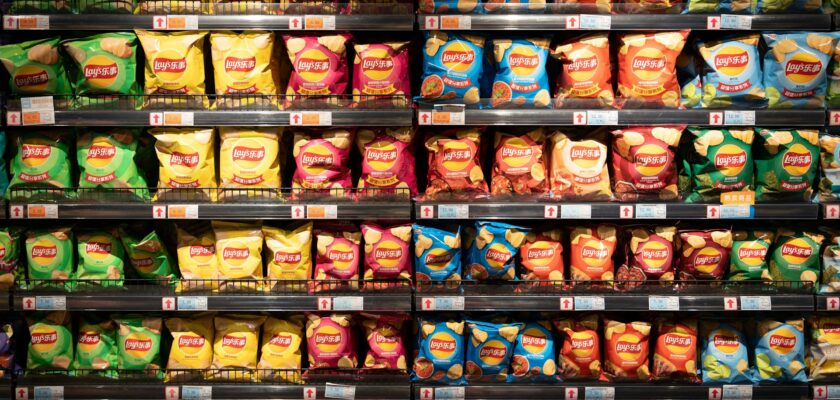
Not all junk foods are the same.
When people think about junk food, they usually worry about weight gain, diabetes, or heart disease. What often gets overlooked is how certain everyday foods can quietly harm the brain, affecting memory, focus, mood, and even long-term cognitive health. Research increasingly shows that what you eat today can shape how well your brain works tomorrow—especially as you age.
Below are some of the most common junk foods linked to subtle but serious brain damage over time.
Sugary Snacks and Desserts
Highly processed sweets—cookies, pastries, candy, and sugary cereals—can spike blood sugar and trigger inflammation in the brain. Over time, repeated sugar surges are linked to impaired memory, slower thinking, and increased risk of cognitive decline.
Excess sugar also interferes with insulin signaling in the brain, which is essential for learning and memory. This is one reason some researchers refer to Alzheimer’s as “type 3 diabetes.”
Why it matters: Chronic sugar intake may quietly weaken brain communication long before symptoms appear.
Ultra-Processed Packaged Foods
Chips, boxed meals, flavored crackers, and instant snacks are often loaded with refined carbohydrates, unhealthy fats, artificial flavorings, and preservatives. These ingredients can promote neuroinflammation, a process linked to brain aging and reduced mental sharpness.
Studies suggest diets high in ultra-processed foods are associated with faster cognitive decline and poorer executive function, especially in older adults.
Why it matters: These foods are designed for convenience, not brain protection.
Fast Food and Fried Foods
Fast food meals often combine refined carbs, trans fats, and excessive sodium—an especially harmful mix for brain health. Trans fats in particular have been linked to memory problems, reduced cognitive flexibility, and higher dementia risk.
Frequent fried food consumption may also damage blood vessels that supply the brain, reducing oxygen and nutrient delivery over time.
Why it matters: What hurts the heart often hurts the brain, too.
Artificially Sweetened Drinks
Diet sodas and sugar-free beverages may seem like a healthier choice, but artificial sweeteners have been linked in some studies to higher stroke risk and increased dementia rates.
These chemicals may alter gut bacteria and disrupt brain signaling pathways tied to mood and cognition.
Why it matters: “Sugar-free” doesn’t always mean brain-safe.
Processed Meats
Hot dogs, deli meats, bacon, and sausage often contain nitrates, preservatives, and high sodium levels. These compounds can increase oxidative stress and inflammation in the brain.
Regular consumption has been associated with poorer memory performance and increased risk of neurological decline.
Why it matters: Convenience meats may carry hidden cognitive costs.
Refined White Carbohydrates
White bread, white rice, and many baked goods rapidly convert into sugar in the body. This leads to repeated blood sugar spikes that stress the brain over time.
High-glycemic diets have been linked to brain shrinkage in memory-related regions and reduced mental clarity.
Why it matters: Stable blood sugar supports stable thinking.
Why This Matters More With Age
As we get older, the brain becomes more vulnerable to inflammation, oxidative stress, and reduced blood flow. Diets high in junk food can accelerate mental aging, making forgetfulness, brain fog, and slowed thinking more likely.
The damage is often gradual—quiet enough to ignore until it becomes hard to reverse.
Brain-Healthier Swaps That Help
Replacing junk foods with smarter choices can protect your brain over time:
- Whole foods instead of packaged snacks
- Healthy fats like olive oil, nuts, and fish
- Fruits instead of sugary desserts
- Water or unsweetened tea instead of soda
Small changes made consistently can have a powerful long-term impact on memory, focus, and mental clarity.
The Bottom Line
Junk food doesn’t just affect your waistline—it can quietly undermine your brain. Over time, diets high in sugar, processed ingredients, and unhealthy fats may increase the risk of cognitive decline and memory loss.
Protecting your brain starts with what you put on your plate. Choosing real, minimally processed foods today may help preserve mental sharpness for years to come—especially as you age.

