
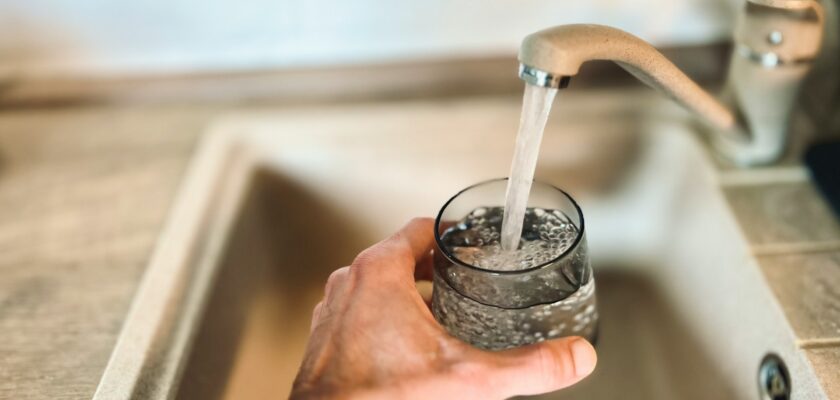
Do you drink tap water?
Most Americans assume their tap water is safe—but is it really? In recent years, a growing number of households have discovered that what flows from their faucets could be silently undermining their health. From lead and PFAS to bacteria and chlorine byproducts, the risks hidden in tap water can be more serious than many think—especially for those over 50, with more vulnerable immune systems.
So how do you know if your water is putting you at risk?
1. Common Signs Your Tap Water May Be Unsafe
There are subtle but concerning symptoms that could indicate your tap water is contaminated:
- Unexplained digestive issues like nausea, cramps, or diarrhea
- Skin irritation or rashes after bathing
- A metallic or chemical taste in your drinking water
- Foul or chlorine-like odor when running the faucet
- Cloudy or discolored water in sinks or showers
Even if you don’t notice a bad taste or smell, contaminants can still be present—and harmful.
2. The Hidden Dangers Lurking in Your Pipes
Here are some of the most common tap water contaminants found in U.S. homes:
- Lead – Often from outdated plumbing; linked to brain damage and high blood pressure
- PFAS (“Forever Chemicals”) – Man-made compounds tied to cancer, thyroid problems, and hormone disruption
- Chlorine and Chloramine – Used to disinfect water, but can form toxic byproducts
- Bacteria and Parasites – Especially after floods or water main breaks
- Fluoride – Added for dental health, but excessive exposure may weaken bones over time
3. How to Test Your Tap Water at Home
You don’t need a lab to start checking your water. Here are three practical steps:
- Order an at-home water testing kit – These test for lead, bacteria, nitrates, and more. Many are under $30.
- Check your local water report – Federal law requires utilities to issue an annual Consumer Confidence Report. Look up yours online.
- Inspect your plumbing – Homes built before 1986 may have lead pipes or solder, putting you at higher risk.
Pro Tip: If your water comes from a well, you’re solely responsible for testing it. The EPA recommends doing so annually.
4. Simple Solutions to Protect Your Family
If you discover contaminants, don’t panic—there are effective ways to clean up your water:
- Install a filtration system – Look for NSF-certified filters that remove specific threats (lead, PFAS, bacteria).
- Use a countertop water filter pitcher – Great for renters or budget-conscious households.
- Boil your water – Especially important if there’s been a water advisory or flooding event.
- Consult a plumber – They can check for outdated pipes or faulty fixtures that leach metals.
5. Why It Matters More After 50
As we age, our bodies become more sensitive to environmental toxins. Seniors may experience more severe reactions to waterborne contaminants—ranging from weakened immunity to long-term organ damage. What’s more, chronic exposure to unsafe water can contribute to kidney stress, heart disease, and even cognitive decline.
Final Thoughts: Don’t Wait Until You’re Sick
Tap water safety isn’t just a concern for third-world countries. It’s a real, pressing issue here in the United States—and it affects millions. With a few simple steps, you can protect yourself and your loved ones from hidden health hazards.
Peace of mind starts at the tap.

