
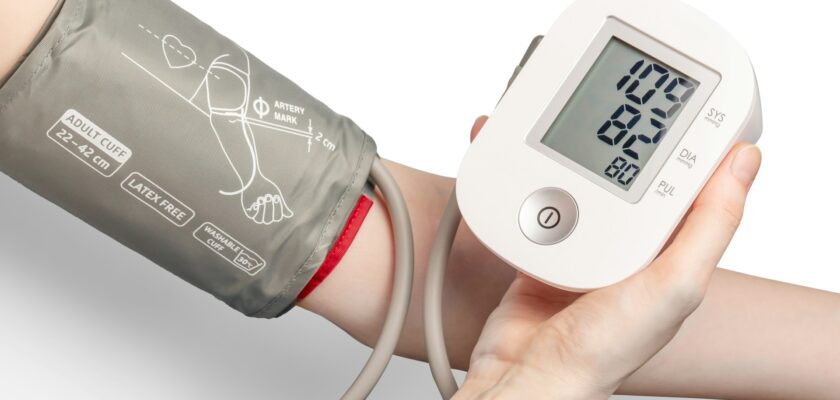
You might think you’re in the clear… but is your blood pressure telling the whole truth?
For decades, we’ve been taught that one blood pressure reading—typically taken in the doctor’s office—is enough to determine whether we’re healthy or at risk. But mounting research is revealing a shocking truth: your blood pressure may be lying to you.
The Silent Fluctuation No One Warned You About
Blood pressure isn’t static. It fluctuates—sometimes dramatically—throughout the day. And for millions of Americans, those changes are hiding a dangerous reality.
Doctors call it “masked hypertension.” On the surface, your numbers may look fine in the clinic. But at home or during stress, your blood pressure could spike to dangerous levels without you even knowing.
Up to 1 in 7 people have masked hypertension—normal in the office, but dangerously high elsewhere.
(Source: American Heart Association)
These hidden spikes damage blood vessels, strain your heart, and silently increase your risk for heart attacks, strokes, and kidney disease.
Why the Cuff Can Be Misleading
The traditional cuff test, often taken once while sitting calmly in a doctor’s office, can’t capture the real-life picture of your cardiovascular health.
Here’s what can skew the reading:
- “White Coat Syndrome” – Some people have elevated readings due to anxiety at the doctor’s office.
- Stress & Activity – Others have spikes at work, during traffic, or even while sleeping.
- Time of Day – Blood pressure can vary by as much as 30 points between morning and evening.
So, one reading a few times a year is no longer enough.
How to Know If Your Blood Pressure Is Really Normal
The solution? Home blood pressure monitoring.
Doctors are now recommending people—especially those over 50, overweight, or with a family history of heart disease—start taking readings at different times throughout the day and week.
Look for these red flags:
- Large swings in numbers
- Readings above 130/80 outside the office
- Headaches, dizziness, or fatigue without clear cause
And don’t ignore nighttime blood pressure. Studies show that high blood pressure during sleep is a stronger predictor of heart disease than daytime readings.
What You Can Do Today
✅ Invest in a quality home monitor – Choose one with memory tracking and validation by the American Heart Association.
✅ Take 2-3 readings at different times of day – Especially before bed and after waking.
✅ Keep a log – Share it with your doctor to detect masked hypertension early.
✅ Ask about 24-hour monitoring – Some clinics offer ambulatory blood pressure testing to reveal your full pattern.
The Bottom Line: Don’t Let a Single Number Fool You
In the age of advanced heart research, relying on a once-a-year reading is like checking your car’s engine once a decade. It’s outdated—and potentially dangerous.
Your blood pressure could be lying to you. But with the right tools and awareness, you can uncover the truth and protect your health before it’s too late.

