
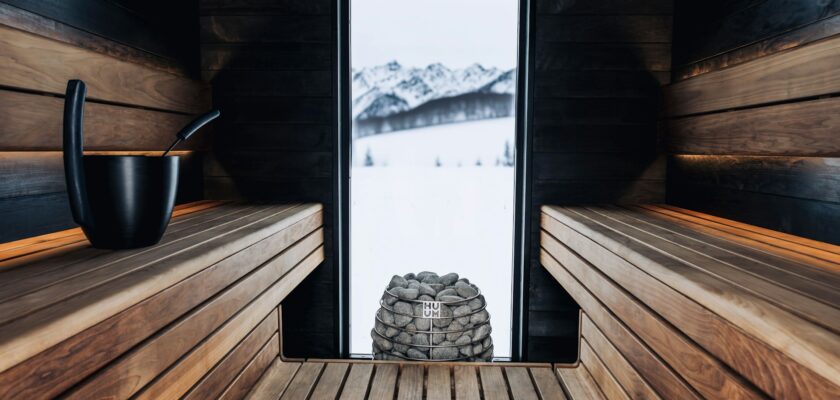
Should seniors be enjoying the sauna?
Saunas are an ancient tradition used for relaxation and wellness, and in recent years, their potential health benefits have been the subject of increased interest. But for seniors, particularly those with age-related health concerns, the question arises: Is sauna use safe and beneficial? In this article, we’ll explore the health advantages of saunas for seniors, as well as important considerations to keep in mind.
Health Benefits of Saunas for Seniors
- Improved Circulation and Cardiovascular Health Saunas are known to promote better blood circulation due to the heat, which causes blood vessels to expand, allowing for better blood flow. For seniors, this can be particularly helpful in maintaining good heart health and managing conditions like high blood pressure. Studies suggest that regular sauna use can mimic some of the benefits of moderate exercise, such as improved heart function, by increasing heart rate and improving vascular health.
- Muscle and Joint Relief Seniors often experience joint pain or stiffness due to conditions like arthritis or muscle tension. The heat from a sauna helps relax muscles and can alleviate pain and discomfort. It may also reduce inflammation, providing relief from chronic pain conditions. Many seniors report feeling less stiff and more mobile after a sauna session.
- Stress Reduction and Mental Health The relaxing effects of a sauna are well documented. The soothing heat can help reduce cortisol levels (the stress hormone), promote relaxation, and improve overall mood. For seniors, especially those who may experience anxiety, depression, or social isolation, the mental health benefits of sauna use can be significant.
- Detoxification Saunas encourage sweating, which is one way the body can rid itself of toxins. While the extent of detoxification provided by sauna use is debated, many seniors find that regular sauna sessions leave them feeling refreshed and rejuvenated. Sweating may also help cleanse the skin and improve its appearance.
- Improved Sleep Seniors often struggle with sleep disturbances, and sauna use can be beneficial in this regard. The heat promotes the release of endorphins, which can improve mood and induce a feeling of relaxation. As the body cools down after leaving the sauna, it may signal to the brain that it’s time to rest, leading to improved sleep quality.
Considerations and Precautions for Seniors
While the sauna offers many potential benefits, it’s important for seniors to approach it with caution. Some health conditions may require adjustments or even make sauna use less advisable. Here are some considerations to keep in mind:
- Consulting with a Doctor Before incorporating sauna use into a wellness routine, seniors should consult with their healthcare provider, particularly if they have pre-existing health conditions such as cardiovascular disease, diabetes, or respiratory problems. A doctor can help assess whether sauna use is safe and recommend any modifications.
- Hydration is Key Saunas lead to significant fluid loss through sweating, so seniors need to be extra vigilant about staying hydrated. Dehydration can cause dizziness, fatigue, and other health issues, which can be especially dangerous for older adults. It’s essential to drink plenty of water before, during, and after sauna sessions.
- Temperature Sensitivity As people age, their ability to regulate body temperature may decline, which means seniors might be more susceptible to heat-related issues, such as heat exhaustion or heat stroke. Seniors should start with lower temperatures and shorter sauna sessions to see how their body responds. It’s also essential to pay attention to the body’s signals and exit the sauna if feeling lightheaded or overheated.
- Duration of Sauna Sessions Seniors should limit the time spent in the sauna, especially if they are new to sauna use. A typical session lasts between 10 to 20 minutes, but beginners may want to start with just 5-10 minutes to see how their body reacts. Overdoing it can cause fatigue, dizziness, or other adverse effects.
- Post-Sauna Care After a sauna session, it’s crucial to cool down slowly and continue hydrating. A quick shower or a cool bath can help the body return to its normal temperature. Seniors should avoid sudden temperature changes or any vigorous activity immediately after sauna use.
- Sauna Type: Traditional vs. Infrared There are different types of saunas, with the most common being traditional saunas (which use heated air) and infrared saunas (which use light to heat the body). Some seniors may find infrared saunas more comfortable because they operate at lower temperatures and provide targeted heat. As always, it’s essential to consult with a doctor to determine which type of sauna might be more appropriate.
Conclusion: A Safe and Relaxing Wellness Tool
In general, sauna use can offer significant health benefits for seniors, including improved circulation, joint relief, stress reduction, and better sleep. However, as with any wellness practice, it’s important for older adults to take precautions and consult with a healthcare professional before starting a sauna routine.
For seniors in good health or those managing chronic conditions under medical supervision, regular sauna sessions may be an enjoyable and beneficial addition to their lifestyle. The key is moderation—paying attention to your body’s response, staying hydrated, and limiting the duration and temperature to what feels comfortable.
By following these guidelines, seniors can enjoy the many benefits that saunas have to offer while ensuring their safety and well-being.

