
Here’s what you need to consider.
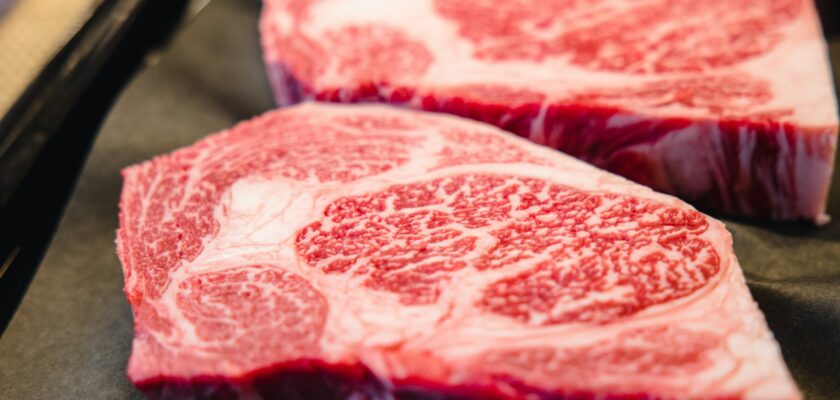
Red meat, often found in cuts like beef, lamb, and pork, has been a staple in many diets for centuries. However, in recent decades, it has garnered negative attention due to its potential health risks. With an abundance of conflicting information, it’s easy to get lost in the debate about whether red meat is truly bad for you. Let’s take a closer look at the facts, the science, and what you need to know before deciding how much red meat to include in your diet.
What Makes Red Meat Controversial?
The concern around red meat often stems from its high levels of saturated fats, cholesterol, and certain compounds that can be harmful when consumed in excess. Several studies have linked frequent consumption of red meat, especially processed varieties, to an increased risk of heart disease, cancer, and type 2 diabetes.
1. Saturated Fat and Cholesterol: Red meat, especially fatty cuts, contains high amounts of saturated fat, which is known to raise levels of LDL (bad) cholesterol. High cholesterol can increase the risk of heart disease and stroke. The link between saturated fat and heart disease has been well-documented in scientific literature.
2. Processed Meats and Cancer Risk: Processed meats, such as sausages, bacon, and deli meats, have been classified as a Group 1 carcinogen by the World Health Organization (WHO), meaning there is enough evidence to suggest they can cause cancer. This is largely due to substances like nitrates and nitrites, which are added during processing and can form harmful compounds in the body. The most significant risk is an increased likelihood of colorectal cancer, though evidence has also pointed to other cancers, including stomach and pancreatic.
3. Heme Iron and Health Implications: Red meat is a rich source of heme iron, which is more readily absorbed by the body than non-heme iron found in plant-based foods. While iron is essential for health, too much can contribute to oxidative stress, which may damage cells and tissues. Some studies have suggested that excessive iron intake from red meat could be linked to a higher risk of conditions such as cardiovascular disease and cancer.
The Case for Red Meat
While concerns about red meat are legitimate, it’s important to note that not all red meat is created equal, and moderation is key. There are potential benefits to consuming red meat as part of a balanced diet.
1. High-Quality Protein: Red meat is an excellent source of high-quality protein, which is essential for building and repairing tissues, supporting immune function, and maintaining muscle mass. For those who engage in regular physical activity or strength training, the protein content of red meat can help support muscle recovery and growth.
2. Nutrient-Rich: In addition to protein, red meat is a great source of essential vitamins and minerals. It is particularly rich in B-vitamins, including B12, which plays a critical role in nerve function and red blood cell production. Red meat also provides zinc, which is important for immune health, wound healing, and cell growth.
3. A Good Source of Omega-3 Fatty Acids: Grass-fed red meat, in particular, tends to have a better ratio of omega-3 to omega-6 fatty acids. Omega-3 fatty acids are known for their anti-inflammatory properties and their ability to support heart health and brain function. This makes grass-fed beef a potentially healthier alternative to conventionally raised red meat.
Balancing the Risks and Benefits
To make informed decisions about consuming red meat, it’s important to consider both the potential benefits and risks. Here are some tips for including red meat in a healthy, balanced diet:
1. Choose Lean Cuts: Opt for leaner cuts of red meat such as sirloin, tenderloin, or round steaks. These cuts have less saturated fat, making them a better choice for heart health.
2. Limit Processed Meats: Processed meats should be consumed sparingly due to their association with an increased risk of cancer. When possible, try to replace processed meats with fresh, unprocessed cuts of red meat.
3. Practice Moderation: The key to a healthy diet is moderation. You don’t have to cut red meat out entirely, but limiting your consumption to a few servings per week may help reduce any associated risks.
4. Consider Alternatives: If you’re concerned about the health risks of red meat, there are plenty of plant-based protein alternatives such as beans, lentils, tofu, and quinoa. These foods can provide a rich source of protein without the potential drawbacks of red meat.
5. Grass-Fed Is Better: If you choose to eat red meat, look for grass-fed options. Grass-fed beef contains higher levels of omega-3 fatty acids and lower levels of unhealthy fats compared to conventionally raised beef.
The Bottom Line: Is Red Meat Really Bad for You?
Red meat is not inherently bad for you, but its health impact depends on how much you consume and the type of meat you choose. Eating red meat in moderation, choosing lean cuts, and avoiding processed options can allow you to enjoy its nutritional benefits while minimizing potential health risks. It’s essential to balance your diet with a variety of foods, including plant-based options, to ensure you’re meeting all of your nutritional needs without overloading on red meat.
Ultimately, the decision about how much red meat to include in your diet should be based on your individual health goals, preferences, and any specific dietary advice from your healthcare provider.

