
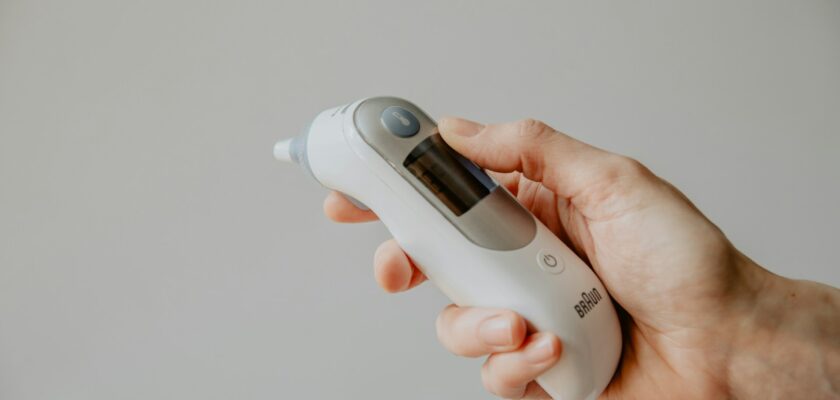
We are all at risk.
As the weather turns colder and we spend more time indoors, cold and flu season inevitably arrives. It’s that time of year when sniffles, coughs, and congestion seem to spread like wildfire, making it more important than ever to take steps to protect your health. While it’s impossible to completely eliminate the risk of getting sick, there are several strategies you can adopt to prevent infections and illnesses during the colder months. From strengthening your immune system to practicing good hygiene, here’s a comprehensive guide to staying healthy during cold and flu season.
1. Wash Your Hands Regularly
One of the simplest and most effective ways to prevent the spread of viruses is by washing your hands frequently. Cold and flu viruses can live on surfaces for hours, and touching contaminated objects is a common way they are transmitted. Washing your hands with soap and water for at least 20 seconds can help eliminate harmful germs before they enter your body through your eyes, nose, or mouth.
Tip: If soap and water aren’t available, use a hand sanitizer with at least 60% alcohol. Be sure to cover all surfaces of your hands and rub them together until they feel dry.
2. Boost Your Immune System
A strong immune system is your first line of defense against infections. To support immune function, focus on getting adequate sleep, eating a balanced diet, and exercising regularly.
- Sleep: Aim for 7-9 hours of sleep each night. Poor sleep can weaken the immune system and make you more susceptible to illness.
- Nutrition: Include plenty of fruits, vegetables, whole grains, and lean proteins in your diet. Nutrient-rich foods—especially those high in vitamin C (like citrus fruits and bell peppers), zinc (like seeds and nuts), and vitamin D (from fortified foods or sunlight)—can give your immune system a boost.
- Exercise: Regular moderate exercise helps keep your immune system strong by improving circulation and reducing inflammation. Even a 30-minute walk most days can be beneficial.
3. Get Your Flu Vaccine
One of the most effective ways to protect yourself from the flu is by getting a flu shot. The vaccine is designed to protect against the most common strains of the flu virus that circulate each year. Although the flu vaccine doesn’t guarantee you won’t get sick, it can significantly reduce your risk of infection and the severity of symptoms if you do become infected.
Tip: It’s best to get your flu shot as soon as it becomes available in your area, typically in the early fall, but it’s still worth getting vaccinated later in the season if you haven’t already.
4. Practice Good Hygiene
Practicing good hygiene goes beyond just washing your hands. Simple habits can help reduce the spread of germs:
- Cover your mouth and nose when you cough or sneeze. Use a tissue or your elbow to avoid spreading droplets to others and surfaces.
- Disinfect high-touch surfaces. Phones, doorknobs, light switches, remote controls, and countertops can harbor germs. Use disinfecting wipes or sprays regularly, especially in shared spaces.
- Avoid touching your face. Cold and flu viruses can enter your body through your eyes, nose, and mouth. Be mindful of touching your face, especially after touching public surfaces.
5. Stay Hydrated
Staying hydrated is important for overall health, but it’s especially crucial during cold and flu season. Proper hydration helps maintain the mucous membranes in your nose and throat, which act as a barrier to harmful pathogens. When these membranes dry out, they can become more vulnerable to infection.
Tip: Drink plenty of water throughout the day, and consider adding hydrating foods to your diet, like soups, fruits (like watermelon and oranges), and vegetables (like cucumbers and celery).
6. Avoid Close Contact with Sick Individuals
During cold and flu season, try to limit close contact with people who are sick. Viruses like the flu and common cold spread through droplets when an infected person coughs, sneezes, or even talks. If someone in your household is sick, try to keep their distance and avoid sharing personal items such as towels, cups, or utensils.
Tip: If you’re sick, stay home to prevent spreading the illness to others. This will also give your body time to rest and recover more quickly.
7. Use a Humidifier
During winter months, indoor air can become dry, which can irritate your respiratory system and make it easier for viruses to enter your body. A humidifier can add moisture to the air, keeping your nasal passages and throat hydrated and reducing the chances of infection.
Tip: Make sure to clean your humidifier regularly to prevent the growth of mold and bacteria, which could worsen respiratory symptoms.
8. Manage Stress
Chronic stress can weaken the immune system and make you more susceptible to illness. During cold and flu season, it’s important to take steps to manage stress and prioritize relaxation. Regular physical activity, deep breathing exercises, yoga, meditation, and other mindfulness practices can help you manage stress and support overall health.
Tip: Take breaks during your workday, spend time outdoors, practice gratitude, or try relaxation techniques such as progressive muscle relaxation to lower your stress levels.
9. Wear Warm Clothing
While dressing warmly won’t directly prevent infections, it can help reduce your risk of catching a cold. Exposure to cold weather can cause your body’s immune function to drop, making it easier for viruses to take hold. Make sure to layer your clothing to stay warm, especially when heading out into chilly conditions.
Tip: Don’t forget your hands and feet! Wear gloves, hats, and warm socks to keep your extremities covered in cold weather.
10. Consider Natural Supplements
Some natural supplements, like elderberry, echinacea, and garlic, are believed to help support immune function and reduce the severity of cold symptoms. While more research is needed to fully confirm their effectiveness, many people find them helpful when taken at the onset of illness or during cold and flu season.
Tip: Always consult with your doctor before adding supplements to your routine, as they may interact with medications or other health conditions.
11. Consider Wearing a Mask in Crowded Areas
While face masks became more common during the COVID-19 pandemic, they can also help prevent the spread of other respiratory illnesses like the flu or the common cold. Wearing a mask in crowded places, such as public transportation, airports, or indoor events, can reduce your risk of exposure to viral particles, especially when you’re in close proximity to others.
Tip: Choose a mask that fits snugly and comfortably over your nose and mouth for maximum protection.
Conclusion
While it’s nearly impossible to avoid illness entirely during cold and flu season, the steps outlined above can significantly reduce your risk. By washing your hands, boosting your immune system, staying hydrated, and practicing good hygiene, you can strengthen your body’s defenses and prevent the spread of germs. Remember, prevention is key—and even if you do get sick, taking early action and resting properly can help you recover faster and prevent complications.
If you have any concerns about your health or are unsure about any of the recommendations, don’t hesitate to consult with a healthcare professional. Staying informed and prepared can make all the difference in keeping yourself and your loved ones healthy during the colder months.

