
Don’t fall for these sneaky treats.
Think you’re eating clean? Think again. These “health” foods are actually loaded with hidden sugars—and they might be sabotaging your wellness goals.
The Silent Sugar Crisis
Sugar is one of the most addictive substances in the modern diet. It’s been linked to obesity, heart disease, diabetes, and even cognitive decline. Yet food manufacturers have become experts at sneaking it into products—especially ones marketed as “healthy.”
Even if you’re skipping sodas and desserts, you might still be consuming far more sugar than you realize. These stealthy sugar bombs wear health halos but pack a metabolic punch.
Here are the top offenders—and what to swap them with.
1. Flavored Yogurt
Sugar Shock: Up to 30 grams per serving
Flavored yogurts—especially those labeled “low-fat” or “light”—often contain more sugar than a candy bar. Brands boost the taste by adding fruit purees, syrups, or cane sugar to mask the lack of fat.
👉 Healthier Swap: Choose plain Greek yogurt and sweeten it yourself with fresh berries or a drizzle of raw honey.
2. Granola and Protein Bars
Sugar Shock: 12–25 grams per bar
These bars are marketed to fitness lovers, but many are closer to candy bars than health food. They often contain glucose syrup, brown rice syrup, and hidden sweeteners under names like “evaporated cane juice.”
👉 Healthier Swap: Look for bars with 5 ingredients or fewer, minimal sugar (under 6g), and at least 5g of protein and fiber.
3. Store-Bought Smoothies
Sugar Shock: 30–60 grams per bottle
Smoothies sound like a great choice—but prepackaged ones often include concentrated fruit juices, frozen yogurt, or added sugars to enhance flavor. That “green smoothie” might have more sugar than a milkshake.
👉 Healthier Swap: Blend your own at home using spinach, avocado, unsweetened almond milk, and low-glycemic fruits like berries.
4. Dried Fruit
Sugar Shock: 25–40 grams per small handful
Yes, fruit contains natural sugar—but when dried, it becomes super concentrated. Worse, many brands add extra sugar to intensify sweetness.
👉 Healthier Swap: Opt for fresh fruit, or choose dried fruit that’s 100% fruit with no added sugar—and watch your portion size.
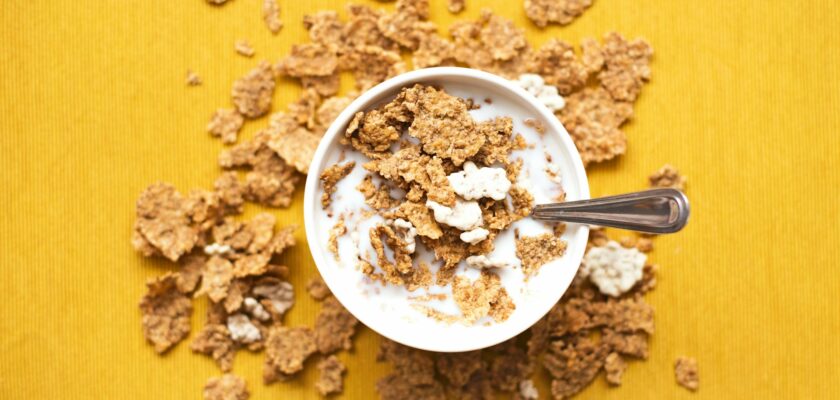
5. “Healthy” Breakfast Cereals
Sugar Shock: 10–20 grams per serving
Whole grain! Fortified! High fiber! Sounds good, right? But even “healthy” cereals can pack sugar under names like malt syrup, dextrose, or molasses.
👉 Healthier Swap: Choose unsweetened options like shredded wheat or steel-cut oats, and top with cinnamon or banana slices for sweetness.
6. Bottled Salad Dressings
Sugar Shock: 5–10 grams per 2 tbsp
Even savory foods aren’t safe. Many dressings—especially “low-fat” ones—use sugar to make up for lost flavor. That “light” vinaigrette might be quietly jacking up your blood sugar.
👉 Healthier Swap: Make your own dressing at home with olive oil, apple cider vinegar, lemon juice, and herbs.
Why This Matters
Hidden sugars spike your insulin levels, lead to crashes in energy, and encourage fat storage—especially around the belly. For those trying to lose weight, manage blood sugar, or simply feel better, spotting hidden sugar is crucial.
Even so-called “healthy” foods can derail your progress.
Quick Tips to Outsmart Sugar Bombs
- Read labels carefully – Look for total sugars and added sugars.
- Beware of buzzwords – “All-natural,” “organic,” and “gluten-free” don’t mean sugar-free.
- Spot sneaky names – Agave, cane juice, fructose, barley malt, and fruit concentrate are all sugars in disguise.
- Aim for single-ingredient snacks – Like hard-boiled eggs, nuts, or plain Greek yogurt.
Final Thoughts
Staying healthy isn’t just about avoiding junk food. It’s about knowing what’s really in the foods you trust. By learning to recognize these sugar traps, you can make smarter choices—without falling for clever marketing.
Knowledge is power—and in this case, it might just be the key to better health.

