
Have you ever noticed your heart suddenly skip a beat, race for a few seconds, or feel like it’s fluttering in your chest?
While these sensations can be alarming, they are surprisingly common and are not always a sign of a serious heart problem.
For many people, occasional irregular heartbeats are harmless and may be triggered by everyday factors like stress, caffeine, dehydration, or lack of sleep. However, there are times when an irregular heartbeat can signal an underlying medical condition that deserves prompt attention.
Here’s what you should know about irregular heart rhythms, what causes them, and when it’s time to see a healthcare provider.
What Does an Irregular Heart Rate Feel Like?
An irregular heartbeat—often called a heart palpitation—can feel different from person to person. Some people describe it as:
- A skipped heartbeat
- A fluttering sensation in the chest
- A pounding heartbeat
- A racing heart
- A slow or uneven pulse
- A brief feeling that the heart “flip-flopped”
These episodes may last only a few seconds or continue for several minutes. They can happen during activity, while resting, or even when lying in bed at night.
Common Causes of an Irregular Heartbeat
Not every irregular heartbeat is dangerous. In fact, many temporary lifestyle factors can affect your heart rhythm.
1. Stress and Anxiety
Emotional stress causes your body to release adrenaline, which can temporarily increase your heart rate and trigger palpitations.
Many people first notice irregular heartbeats during stressful workdays, after an emotional event, or during periods of anxiety.
2. Too Much Caffeine
Coffee, energy drinks, soda, and certain supplements contain caffeine and other stimulants that may cause the heart to beat faster or feel irregular, especially in sensitive individuals.
Reducing caffeine intake often improves symptoms.
3. Dehydration
Your heart depends on the right balance of fluids and electrolytes to maintain a steady rhythm.
When you’re dehydrated, your heart may work harder, leading to temporary palpitations or a rapid heartbeat.
4. Poor Sleep
Sleep deprivation affects hormone levels, blood pressure, and your nervous system. Even one night of poor sleep may increase the likelihood of noticing an irregular heartbeat.
5. Alcohol
Heavy alcohol consumption—or even moderate drinking in some people—can trigger temporary rhythm disturbances.
Some experts refer to this as “holiday heart syndrome” because it often occurs after celebrations involving alcohol.
6. Certain Medications
Cold medicines, decongestants, asthma inhalers, weight-loss products, thyroid medications, and some herbal supplements may increase heart rate or cause palpitations.
Always read medication labels and discuss side effects with your healthcare provider.
Medical Conditions That Can Affect Heart Rhythm
While many irregular heartbeats are harmless, some are linked to medical conditions that require treatment.
These include:
- High blood pressure
- Thyroid disorders
- Anemia
- Electrolyte imbalances
- Heart valve disease
- Coronary artery disease
- Heart failure
- Sleep apnea
One of the most common rhythm disorders is atrial fibrillation (AFib), which causes the upper chambers of the heart to beat irregularly. AFib increases the risk of stroke and often requires medical evaluation and treatment.
When Should You Be Concerned?
Occasional brief palpitations without other symptoms are often not dangerous.
However, seek immediate medical care if an irregular heartbeat occurs along with:
- Chest pain
- Severe shortness of breath
- Fainting or loss of consciousness
- Severe dizziness
- Confusion
- Blue lips or skin
- Symptoms lasting several minutes and not improving
These symptoms could indicate a medical emergency requiring immediate evaluation.
How Doctors Diagnose an Irregular Heartbeat
If your symptoms occur frequently, your healthcare provider may recommend testing to determine the cause.
Common diagnostic tests include:
- Electrocardiogram (ECG or EKG)
- Holter monitor (24-48 hour recording)
- Event monitor
- Blood tests
- Echocardiogram (heart ultrasound)
- Exercise stress testing
Because some rhythm problems occur only occasionally, wearable monitors are often useful for capturing abnormal heart activity.
Can Lifestyle Changes Help?
For many people, healthy habits can significantly reduce episodes of irregular heartbeats.
Consider these heart-healthy strategies:
- Stay well hydrated.
- Limit caffeine if it triggers symptoms.
- Avoid excessive alcohol.
- Get seven to nine hours of quality sleep.
- Manage stress through exercise, meditation, or relaxation techniques.
- Maintain a healthy weight.
- Eat a balanced diet rich in fruits, vegetables, whole grains, and lean protein.
- Stay physically active with your healthcare provider’s approval.
- Avoid tobacco and nicotine products.
Small lifestyle improvements can often make a noticeable difference.
Should You Monitor Your Heart Rate at Home?
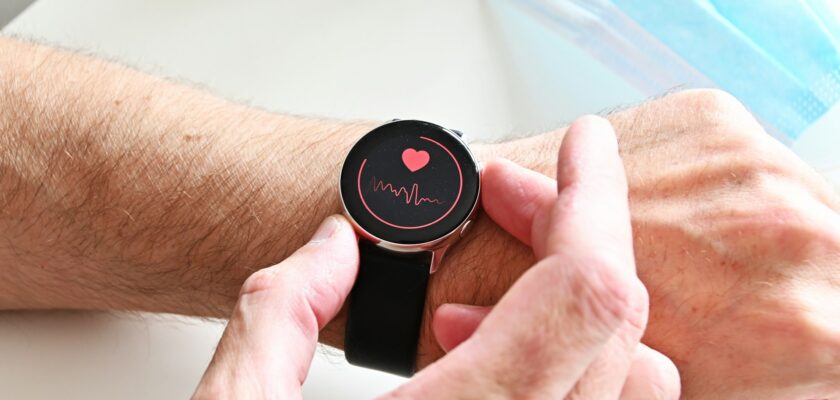
Many smartwatches and fitness trackers can measure heart rate and may even detect irregular rhythms.
While these devices can provide useful information, they should not replace a medical evaluation. If your wearable repeatedly alerts you to an irregular rhythm—or you experience concerning symptoms—contact your healthcare provider.
The Bottom Line
Feeling an irregular heartbeat from time to time is common, and in many cases it isn’t a sign of serious heart disease. Everyday factors like stress, caffeine, dehydration, poor sleep, and certain medications are frequent causes of temporary heart rhythm changes.
Still, persistent, frequent, or severe symptoms should never be ignored. An irregular heartbeat accompanied by chest pain, fainting, severe shortness of breath, or prolonged dizziness requires immediate medical attention.
If you’re unsure whether your symptoms are harmless or something more serious, scheduling an evaluation with a healthcare provider is the safest approach. Early diagnosis can help identify treatable conditions, improve heart health, and provide peace of mind.
Disclaimer: This article is for informational purposes only and should not be considered medical advice. Always consult a qualified healthcare professional regarding any symptoms or concerns about your heart health.

