
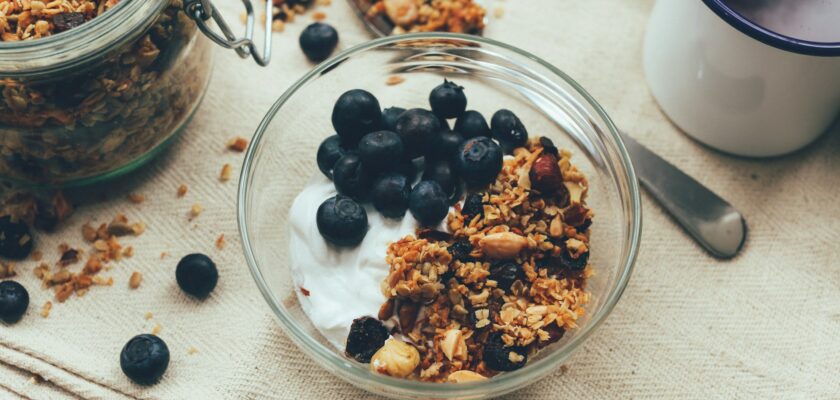
Don’t fall for these foods.
In a world increasingly focused on health and wellness, it’s easy to assume that certain foods labeled as “healthy” truly deserve that title. However, some of these foods may be misleading, often laden with sugars, unhealthy fats, or additives. Let’s uncover some seemingly healthy options that might not be as beneficial as they seem.
1. Granola Bars
Why They Seem Healthy: Often marketed as a wholesome snack, granola bars typically contain oats, nuts, and dried fruits, which are all nutritious ingredients.
The Reality: Many granola bars are packed with added sugars and syrups to enhance flavor. Some can contain as much sugar as a candy bar, along with unhealthy fats from added oils. Always check the ingredient list for whole foods and aim for low-sugar options.
2. Smoothie Bowls
Why They Seem Healthy: Smoothie bowls are vibrant and filled with fruits, vegetables, and seeds, giving them an appearance of healthiness.
The Reality: The problem arises with added sugars from fruit juices, sweetened yogurts, or granola toppings. Some smoothie bowls can exceed 500 calories and provide more sugar than a dessert. Opt for homemade versions where you control the ingredients.
3. Vegetable Chips
Why They Seem Healthy: Vegetable chips are often seen as a nutritious alternative to traditional potato chips, made from kale, beets, or sweet potatoes.
The Reality: Many vegetable chips are fried or processed, leading to a significant loss of nutrients. They can also be high in sodium and unhealthy fats. Consider fresh vegetables with hummus or homemade baked chips for a healthier crunch.
4. Low-Fat or Fat-Free Products
Why They Seem Healthy: Low-fat or fat-free versions of products like yogurt or salad dressings are often marketed as healthier choices.
The Reality: To compensate for the loss of fat, manufacturers often add sugars or artificial sweeteners to enhance flavor. This can result in products that are not only less satisfying but can also spike blood sugar levels. Look for natural, full-fat versions in moderation.
5. Flavored Yogurts
Why They Seem Healthy: Yogurt is often celebrated for its probiotics and calcium content, making it a popular health food choice.
The Reality: Flavored yogurts can be deceiving. Many contain high amounts of added sugars and artificial flavors. Plain, unsweetened yogurt is a much healthier option that you can sweeten with fresh fruits or a drizzle of honey.
6. Whole Wheat Bread
Why They Seem Healthy: Whole wheat bread is often marketed as a healthier alternative to white bread, providing more fiber and nutrients.
The Reality: Not all whole wheat bread is created equal. Some are made with refined flour and may contain added sugars and preservatives. Look for products labeled “100% whole grain” or check the ingredient list to ensure whole grains are the first ingredient.
7. Protein Bars
Why They Seem Healthy: Protein bars are popular among fitness enthusiasts and often touted as a quick, nutritious snack.
The Reality: Many protein bars can be loaded with sugars, artificial ingredients, and unhealthy fats. They might be more like candy bars than a healthy snack. Choose bars with minimal, recognizable ingredients and low sugar content.
Conclusion
While many foods may seem healthy at first glance, it’s crucial to dig deeper and read labels. Prioritize whole, unprocessed foods when possible, and pay attention to added sugars and unhealthy fats. By staying informed, you can make better dietary choices that truly support your health goals. Always remember: just because it’s labeled as “healthy” doesn’t mean it’s good for you!

