
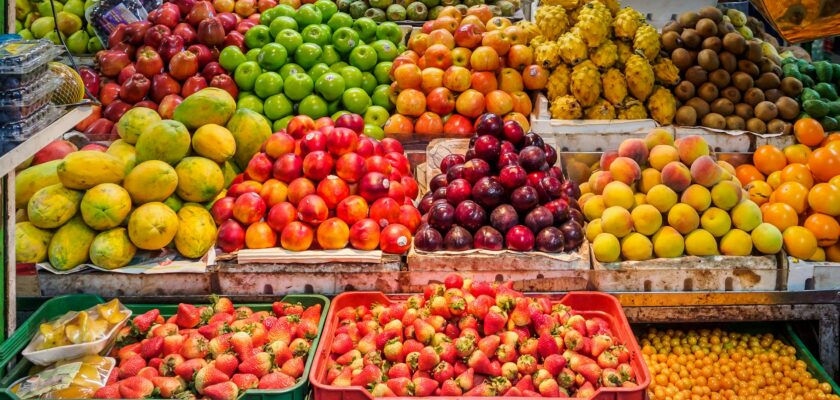
Consider eating these food for an improved quality of life.
Special Poll
As we age, maintaining a balanced diet becomes increasingly important to support overall health and well-being. For senior citizens, the right foods can play a crucial role in managing chronic conditions, boosting energy levels, and promoting longevity. Here’s a guide to some of the best foods that should be a staple in a senior’s diet.
1. Leafy Greens
Leafy greens like spinach, kale, and Swiss chard are packed with essential vitamins and minerals, including Vitamin K, which is important for bone health and preventing fractures. They also contain antioxidants that help combat inflammation and protect against age-related macular degeneration (AMD), a common cause of vision loss in older adults.
2. Fatty Fish
Fatty fish such as salmon, mackerel, and sardines are rich in omega-3 fatty acids, which are crucial for heart health. Omega-3s help reduce inflammation, lower blood pressure, and may decrease the risk of heart disease. They also support cognitive function and may help reduce the risk of Alzheimer’s disease.
3. Berries
Berries like blueberries, strawberries, and raspberries are high in antioxidants, particularly anthocyanins, which are linked to improved brain function and memory. These fruits are also a good source of fiber, which aids digestion and helps maintain a healthy weight.
4. Nuts and Seeds
Nuts and seeds, such as almonds, walnuts, and flaxseeds, are excellent sources of healthy fats, protein, and fiber. They contribute to heart health, help regulate blood sugar levels, and may aid in managing weight. Additionally, nuts like walnuts contain antioxidants that can help reduce oxidative stress and inflammation.
5. Whole Grains
Whole grains, including oatmeal, brown rice, and quinoa, provide essential nutrients such as fiber, B vitamins, and minerals like magnesium. They help regulate blood sugar levels, support digestive health, and contribute to heart health by lowering cholesterol levels.
6. Legumes
Beans, lentils, and chickpeas are high in protein, fiber, and a range of vitamins and minerals. They are excellent for maintaining muscle mass and strength, which can decline with age. Legumes also support digestive health and can help manage blood sugar levels.
7. Lean Proteins
Lean proteins, such as chicken breast, turkey, and tofu, are important for maintaining muscle mass and strength. Protein is also essential for repairing tissues and supporting overall bodily functions. Including a variety of protein sources in the diet can help ensure adequate nutrient intake.
8. Yogurt
Yogurt, especially Greek yogurt, is a great source of calcium and probiotics. Calcium is vital for bone health, while probiotics support a healthy digestive system. A balanced gut microbiome is crucial for overall health and can influence immune function and mood.
9. Sweet Potatoes
Sweet potatoes are rich in beta-carotene, which the body converts into Vitamin A. Vitamin A is essential for eye health, immune function, and skin health. Sweet potatoes also provide fiber and are a good source of complex carbohydrates, which provide sustained energy.
10. Avocados
Avocados are packed with healthy monounsaturated fats, which support heart health and help reduce bad cholesterol levels. They also provide potassium, which helps regulate blood pressure, and are a good source of fiber.
Hydration and Balanced Meals
In addition to incorporating these nutrient-dense foods into the diet, staying hydrated is crucial. Older adults often have a reduced sense of thirst, so it’s important to drink water regularly and include hydrating foods like fruits and vegetables. Balanced meals that combine protein, healthy fats, and complex carbohydrates can help maintain energy levels and overall health.
Conclusion
Eating a variety of nutrient-rich foods can have a profound impact on the health and quality of life for senior citizens. By focusing on leafy greens, fatty fish, berries, nuts, whole grains, legumes, lean proteins, yogurt, sweet potatoes, and avocados, older adults can support their physical health, cognitive function, and overall well-being. Always consider consulting with a healthcare provider or a nutritionist to tailor dietary choices to individual health needs and conditions. Embracing a wholesome, balanced diet is a key step towards thriving in the golden years.

