
As we get older, protecting our eyesight becomes increasingly important.
The good news is that certain everyday foods contain powerful nutrients that can help support healthy vision, protect the eyes from age-related damage, and promote long-term eye health.
For adults over 50, maintaining good eyesight can make a significant difference in everyday life. Whether you’re reading a favorite book, driving at night, watching television, or spending time with grandchildren, healthy vision plays an essential role in staying active and independent.
However, aging naturally brings changes to our eyes. Conditions such as cataracts, age-related macular degeneration, glaucoma, and diabetic eye disease become more common as the years pass.
While no food can guarantee perfect eyesight or reverse existing vision loss, research suggests that a balanced diet rich in specific vitamins, minerals, and antioxidants can help support eye health.
Here are some of the best foods to include in your diet after age 50.
1. Spinach and Kale: Powerful Vegetables for Aging Eyes
Dark leafy greens are among the most valuable foods for maintaining healthy eyesight.
Spinach, kale, collard greens, and other leafy vegetables contain two important antioxidants called lutein and zeaxanthin.
These nutrients are naturally concentrated in the macula, the part of the retina responsible for sharp central vision.
They help filter certain wavelengths of light and protect eye tissues from oxidative damage.
Research suggests that diets containing plenty of lutein and zeaxanthin may be associated with a lower risk of age-related macular degeneration, one of the leading causes of vision problems among older adults.
Easy ways to eat more leafy greens:
- Add fresh spinach to scrambled eggs.
- Enjoy a small salad with lunch.
- Include cooked kale or collard greens with dinner.
- Add spinach to homemade soups.
Frozen spinach is also an affordable option that provides valuable nutrients.
2. Salmon and Sardines: Healthy Fats That Support Your Eyes
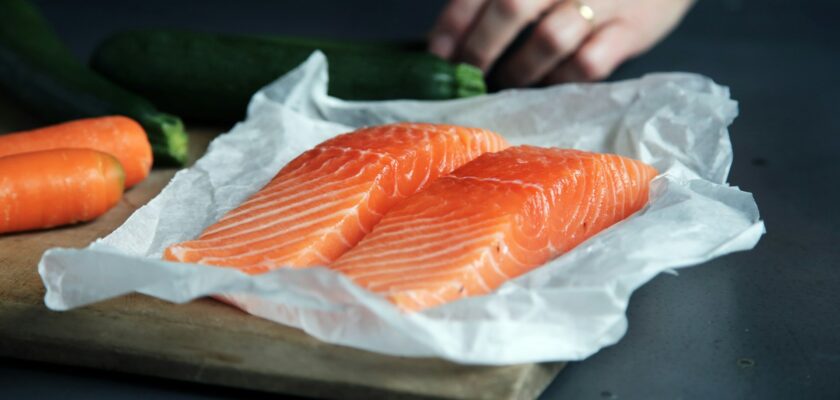
Fatty fish are excellent sources of omega-3 fatty acids, particularly DHA and EPA.
DHA is an important structural component of the retina and plays a role in maintaining healthy retinal cells.
Salmon, sardines, trout, and mackerel are especially rich in these beneficial fats.
Omega-3s also support cardiovascular health, which matters because the eyes depend on healthy blood vessels to receive oxygen and nutrients.
Although observational research has linked regular fish consumption with certain eye-health benefits, clinical trials have not established that omega-3 supplements prevent age-related macular degeneration.
For most adults, eating fish as part of a balanced diet is a reasonable way to support overall health.
Simple tip: Try replacing red meat with baked salmon or trout once or twice per week.
3. Carrots and Sweet Potatoes: Natural Sources of Vitamin A
Carrots have long been associated with good eyesight, and there is some truth behind their reputation.
They contain beta-carotene, a plant pigment the body converts into vitamin A.
Vitamin A is essential for normal retinal function, particularly the process that allows the eyes to detect light in dim conditions.
A vitamin A deficiency can contribute to night blindness and other serious eye problems.
Sweet potatoes, pumpkin, butternut squash, and carrots are all excellent sources of beta-carotene.
However, eating extra carrots will not eliminate the need for glasses or improve vision beyond normal levels if your vitamin A intake is already adequate.
For adults over 50, these colorful vegetables offer an additional advantage: They provide fiber and other nutrients that support healthy aging.
4. Eggs: An Affordable Food Packed With Eye-Friendly Nutrients
Eggs are a convenient and affordable food that can contribute to a healthy diet.
Egg yolks contain lutein and zeaxanthin, the same protective pigments found in leafy green vegetables.
They also provide vitamin A and other essential nutrients.
One advantage of eggs is that their fat content may help the body absorb these fat-soluble compounds.
Adding eggs to breakfast can be a simple way to increase your intake of nutrients associated with healthy retinal function.
Consider pairing eggs with spinach, tomatoes, or whole-grain toast for a balanced meal.
Adults managing high cholesterol or heart disease should follow individualized dietary advice from their healthcare professional.
5. Oranges and Strawberries: Vitamin C for Healthy Eye Tissues
Vitamin C is an important antioxidant that helps protect cells from damage caused by free radicals.
It also supports collagen production, which is necessary for the structure and health of many tissues throughout the body, including parts of the eye.
Citrus fruits such as oranges and grapefruit contain generous amounts of vitamin C.
Other excellent sources include strawberries, kiwi, broccoli, and red bell peppers.
Some observational studies suggest that diets rich in antioxidant-containing foods may be associated with better eye health as people age.
Vitamin C is also one of the ingredients included in the specialized AREDS2 supplement formula studied for certain stages of age-related macular degeneration.
Getting vitamin C from whole foods offers benefits beyond eye health, including fiber and additional plant compounds.
Easy tip: Choose whole fruit more often than juice to get the added benefit of dietary fiber.
6. Almonds and Sunflower Seeds: Vitamin E for Cellular Protection
Vitamin E is another antioxidant that helps protect cells from oxidative damage.
Because the eyes are regularly exposed to light and oxygen, their tissues can be vulnerable to oxidative stress over time.
Foods rich in vitamin E include almonds, sunflower seeds, hazelnuts, and avocados.
A small handful of unsalted almonds makes a convenient snack and provides healthy fats, fiber, and minerals.
Sunflower seeds can also be sprinkled over salads, yogurt, or oatmeal.
These foods are calorie-dense, so moderate portions are generally best.
Vitamin E is important for overall health, but taking high-dose vitamin E supplements has not been shown to prevent eye disease in otherwise healthy adults.
7. Beans and Lentils: Important Minerals for Vision
Beans and lentils may not immediately come to mind when thinking about eye health, but they provide several useful nutrients.
One of the most important is zinc.
Zinc is involved in numerous processes throughout the body and plays a role in normal retinal function and vitamin A metabolism.
Good dietary sources include kidney beans, chickpeas, lentils, pumpkin seeds, meat, and shellfish.
Beans also provide fiber and plant-based protein, making them especially useful for individuals trying to maintain healthy blood sugar and cholesterol levels.
This matters after age 50 because diabetes and cardiovascular disease can increase the risk of vision-related complications.
Adding beans to homemade chili, soups, and salads is an inexpensive way to improve nutritional variety.
8. Broccoli: Multiple Eye-Healthy Nutrients in One Vegetable
Broccoli offers an impressive combination of vitamin C, lutein, zeaxanthin, and other beneficial plant compounds.
These nutrients contribute to normal cellular function and help the body manage oxidative stress.
Broccoli is also a source of fiber, which supports digestive health and can help with blood sugar management.
Steaming broccoli lightly is an easy preparation method that preserves many of its nutrients while making it easier to chew.
For additional flavor, try adding olive oil, lemon juice, or garlic instead of relying on heavy sauces.
9. Avocados: Healthy Fats and Protective Antioxidants
Avocados contain monounsaturated fats, vitamin E, and smaller amounts of lutein and zeaxanthin.
Their healthy fat content also helps the body absorb fat-soluble nutrients from other vegetables.
For example, adding avocado to a spinach salad may improve the absorption of certain carotenoids.
Avocados can be enjoyed on whole-grain toast, added to salads, or blended into dips.
Although they are nutritious, portion sizes still matter, especially for people monitoring their calorie intake.
10. Whole Grains: Supporting Blood Sugar and Long-Term Eye Health
Whole grains such as oatmeal, brown rice, quinoa, and whole-wheat bread contribute to overall health by providing fiber, vitamins, and minerals.
They can also help support more stable blood sugar levels when eaten as part of a balanced diet.
Maintaining healthy blood sugar is particularly important after age 50.
Over time, poorly controlled diabetes can damage the small blood vessels in the retina, leading to a condition called diabetic retinopathy.
Although whole grains do not directly cure or prevent eye disease, they can play a valuable role in an eating pattern that supports metabolic and cardiovascular health.
Replacing some refined carbohydrates with higher-fiber whole grains is a practical place to start.
Which Nutrients Matter Most for Your Eyes After 50?
Several nutrients are especially important for normal eye function and long-term eye health.
Lutein and Zeaxanthin: Help support macular health. Found in spinach, kale, and eggs.
Vitamin A: Essential for normal vision, especially in dim light. Found in carrots and sweet potatoes.
Vitamin C: Supports collagen production and antioxidant defenses. Found in oranges, strawberries, and bell peppers.
Vitamin E: Helps protect cells against oxidative damage. Found in almonds and sunflower seeds.
Omega-3 Fatty Acids: Support retinal structure and general health. Found in salmon, sardines, and trout.
Zinc: Supports retinal function and vitamin A metabolism. Found in beans, meat, and seafood.
Rather than concentrating on one particular nutrient, aim for a varied diet that consistently provides these important vitamins and minerals.
Can Eating the Right Foods Prevent Macular Degeneration?
Age-related macular degeneration, commonly called AMD, is a major concern for older adults because it affects central vision.
The condition can interfere with reading, recognizing faces, and performing detailed tasks.
Research from the National Eye Institute has examined the effects of nutrition on AMD.
Its major Age-Related Eye Disease Studies, known as AREDS and AREDS2, found that a specific combination of antioxidant vitamins and minerals can reduce the risk of progression to advanced AMD in certain patients.
In the original AREDS trial, the supplement formulation reduced the risk of progression to advanced disease by approximately 25% among people at elevated risk over five years.
However, these supplements are not recommended for everyone.
They are generally considered for people with intermediate AMD or certain cases of late AMD affecting one eye.
They do not prevent AMD from developing in people without the condition.
Anyone considering AREDS2 vitamins should first speak with an eye care professional. High-dose supplements may interact with medications and are not a substitute for a healthy diet.
Foods and Eating Habits to Limit for Better Eye Health
Protecting your vision is not only about adding nutritious foods. It also helps to limit eating habits that contribute to diabetes, high blood pressure, and cardiovascular disease.
Some items worth limiting include:
- Sugary drinks: Frequent consumption can make blood sugar management more difficult.
- Highly processed snacks: These may contain excessive sodium, refined carbohydrates, and unhealthy fats.
- Excessive sodium: Too much sodium can contribute to high blood pressure in susceptible individuals.
- Frequent fried foods: Replacing some fried meals with baked fish, vegetables, and whole grains can improve overall dietary quality.
You do not need to eliminate every favorite food.
Making consistent, manageable improvements is generally more sustainable than following a restrictive diet.
A Simple Daily Meal Plan for Healthy Vision After 50
You do not need expensive supplements or specialty foods to build an eye-friendly diet.
Here is one example of a nutritious daily eating plan.
Breakfast: Scrambled eggs with spinach, whole-grain toast, and fresh strawberries.
Lunch: Leafy green salad with chickpeas, avocado, bell peppers, and olive oil dressing.
Dinner: Baked salmon with steamed broccoli, brown rice, and roasted carrots.
Healthy Snack: A small handful of unsalted almonds and a serving of blueberries.
This meal plan provides a variety of antioxidants, healthy fats, fiber, and essential nutrients without requiring complicated recipes.
Portions can be adjusted according to individual health conditions, nutritional needs, and activity levels.
Other Important Ways to Protect Your Eyes After 50
While nutrition plays a valuable role, diet alone cannot protect against every age-related eye condition.
Eye health specialists recommend several additional habits that become increasingly important with age.
Schedule Regular Comprehensive Eye Examinations: Certain eye diseases, including glaucoma, may develop without obvious symptoms during their early stages.
Protect Your Eyes From Ultraviolet Light: Wear sunglasses that block 99% to 100% of UVA and UVB rays when outdoors.
Manage Blood Pressure and Blood Sugar: Diabetes and uncontrolled hypertension can affect the blood vessels that supply the eyes.
Avoid Smoking: Smoking is associated with an increased risk of cataracts, macular degeneration, and other serious health conditions.
Stay Physically Active: Regular movement supports circulation, metabolic health, and overall well-being.
Pay Attention to Changes in Vision: New distortion, blurred central vision, or difficulty recognizing faces should be evaluated promptly. Sudden vision loss requires urgent medical attention.
Frequently Asked Questions About Eye Health After 50
What Is the Single Best Food for Healthy Eyesight?
There is no single food that guarantees better eyesight. However, dark leafy greens such as spinach and kale are particularly valuable because they contain lutein and zeaxanthin, nutrients found naturally in the retina.
Can Eating Carrots Improve Eyesight After 50?
Carrots provide beta-carotene, which the body converts to vitamin A. This supports normal vision, but eating more carrots will not typically improve eyesight if you already get enough vitamin A.
Are Blueberries Good for Aging Eyes?
Blueberries contain antioxidants called anthocyanins and contribute to a nutritious diet. However, there is insufficient clinical evidence that eating blueberries alone prevents macular degeneration or reverses age-related vision loss.
Should Everyone Over 50 Take Eye Vitamins?
No. Most adults should focus on obtaining essential nutrients through a balanced diet unless their healthcare professional recommends supplementation.
Specialized AREDS2 supplements may benefit some people diagnosed with certain stages of macular degeneration, but they are not intended as universal vision-protection pills.
Can Poor Eyesight Caused by Aging Be Reversed Through Diet?
Nutrition can support eye health, but it generally cannot reverse presbyopia, cataracts, glaucoma damage, or established retinal disease. These conditions require appropriate professional evaluation and treatment.
Final Thoughts: Small Dietary Changes Can Make a Big Difference
Maintaining healthy eyesight after 50 is an important part of protecting independence and quality of life.
Although some age-related changes are unavoidable, healthy daily habits can help support the eyes and reduce certain long-term health risks.
Foods such as spinach, kale, salmon, eggs, carrots, berries, almonds, and beans provide nutrients involved in normal retinal function and cellular protection.
The best approach is not to depend on one so-called miracle food. Instead, build a balanced eating pattern that includes colorful vegetables, fresh fruits, whole grains, lean proteins, and healthy fats.
Combined with regular eye examinations, physical activity, and proper management of chronic health conditions, these simple dietary choices can help support healthier vision throughout your 50s, 60s, 70s, and beyond.
Your eyesight is worth protecting, and making healthier choices at the dinner table is one practical step you can take today.
Medical Disclaimer: This article is intended for general educational purposes and does not replace professional medical advice, diagnosis, or treatment. Always consult a qualified healthcare professional or eye specialist about vision changes, eye conditions, or dietary supplements.

