
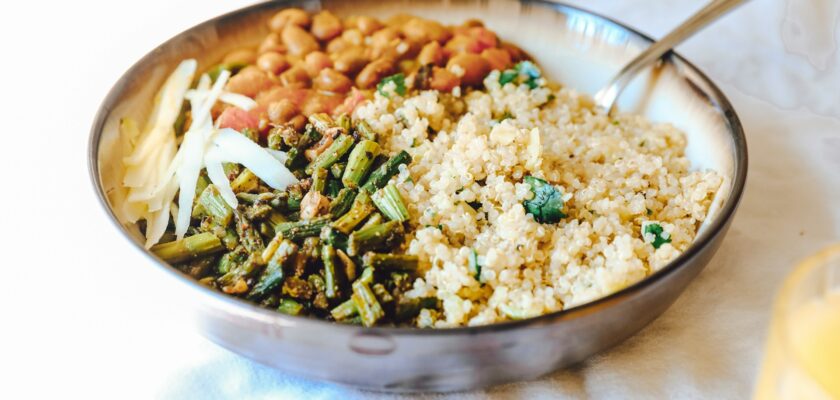
Here’s what you need to know about quinoa.
Quinoa, often referred to as a “superfood,” has become increasingly popular due to its impressive nutritional profile and versatility in the kitchen. This ancient grain, native to the Andes Mountains in South America, has been a staple food for thousands of years, prized for its rich content of protein, fiber, vitamins, and minerals. Today, quinoa is recognized as one of the healthiest grains, offering numerous health benefits.
1. A Complete Protein Source
One of the most outstanding features of quinoa is that it is a complete protein, meaning it contains all nine essential amino acids that the human body cannot produce on its own. This makes it an excellent plant-based protein option for vegetarians and vegans, who may struggle to get adequate protein from other sources. Just one cup of cooked quinoa provides approximately 8 grams of protein, making it a great addition to meals.
2. Rich in Fiber
Quinoa is an excellent source of dietary fiber, which plays a vital role in digestive health. One cup of cooked quinoa contains about 5 grams of fiber, which can help promote regular bowel movements, prevent constipation, and support overall gut health. Fiber also helps regulate blood sugar levels, making quinoa an ideal choice for those with diabetes or those looking to maintain stable energy throughout the day.
3. Packed with Essential Nutrients
Quinoa is a powerhouse of vitamins and minerals that contribute to overall health and well-being. Some key nutrients found in quinoa include:
- Magnesium: Important for muscle function, nerve function, and bone health.
- Iron: Supports healthy red blood cells and oxygen transport in the body.
- B-vitamins: Vital for energy production and maintaining healthy skin and brain function.
- Zinc: Plays a key role in immune function and wound healing.
- Manganese: Essential for bone health, metabolism, and antioxidant defense.
4. Gluten-Free and Easy to Digest
Quinoa is naturally gluten-free, making it an excellent choice for individuals with celiac disease or gluten sensitivity. Unlike other gluten-free grains, quinoa is highly digestible and can be enjoyed by people with various digestive issues. It also contains saponins, which are naturally occurring compounds that give quinoa its slightly bitter taste but are removed during the rinsing process, making the grain safe and easy to consume.
5. Supports Heart Health
The high fiber content in quinoa helps to lower cholesterol levels, reducing the risk of heart disease. Additionally, quinoa is rich in healthy fats, particularly monounsaturated fats, which contribute to heart health by reducing harmful LDL cholesterol levels and increasing beneficial HDL cholesterol. The presence of antioxidants in quinoa, such as flavonoids, further supports cardiovascular health by reducing inflammation and protecting the heart from oxidative stress.
6. Helps Control Blood Sugar Levels
Quinoa has a low glycemic index (GI), meaning it is digested slowly, leading to a gradual increase in blood sugar levels. This makes quinoa an ideal food choice for individuals with diabetes or those looking to manage their blood sugar levels. Its high fiber and protein content help balance blood sugar and improve insulin sensitivity, reducing the risk of blood sugar spikes after meals.
7. Weight Management and Satiety
Thanks to its high fiber and protein content, quinoa can help you feel fuller for longer, making it a great choice for weight management. The combination of protein and fiber slows down digestion, reducing hunger cravings and preventing overeating. Including quinoa in meals can help regulate appetite and support a healthy weight loss or maintenance plan.
8. Easy to Incorporate into Your Diet
Quinoa is incredibly versatile and can be used in a variety of dishes. You can enjoy it as a side dish, in salads, soups, or stir-fries, or even as a base for breakfast bowls when paired with fruits, nuts, and yogurt. It can also be used as a substitute for rice or pasta in many recipes. Additionally, quinoa flour is available, making it a great gluten-free alternative for baking.
How to Cook Quinoa
Cooking quinoa is simple and quick. Rinse the seeds under cold water to remove any saponins, then cook it in a 2:1 ratio of water to quinoa. Bring the water to a boil, then reduce to a simmer and cook for about 15 minutes until the quinoa is tender and the water is absorbed. Fluff the quinoa with a fork, and it’s ready to be enjoyed.
Conclusion
Incorporating quinoa into your diet can significantly improve your overall health by providing essential nutrients, supporting digestive health, and promoting heart health. Its versatility, ease of preparation, and array of health benefits make it a fantastic addition to any diet. Whether you’re looking for a plant-based protein source, a gluten-free option, or a food to help manage blood sugar and weight, quinoa is a perfect choice that is both nutritious and delicious.

