
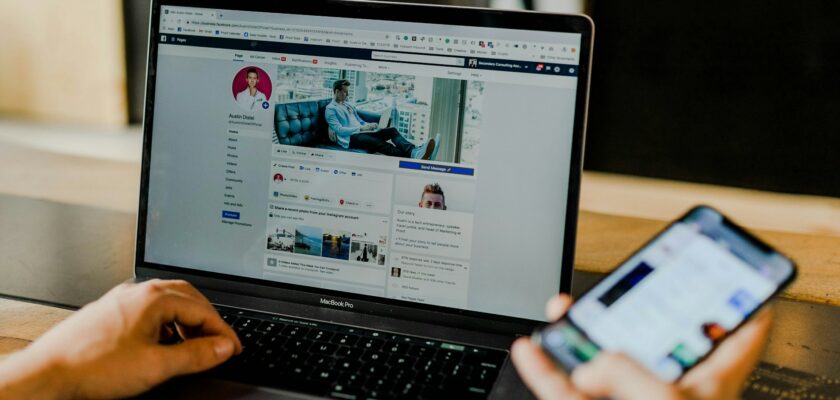
These apps are designed to keep your eyes glued to them.
In today’s digitally connected world, social media has become an integral part of our daily lives. Platforms like Facebook, Instagram, Twitter, and TikTok offer endless opportunities for communication, networking, and entertainment. While social media undoubtedly brings numerous benefits, excessive use can pose significant risks to our mental and physical well-being. Understanding these dangers is crucial for maintaining a healthy balance in our digital lives.
1. Mental Health Concerns:
Excessive social media use has been linked to various mental health issues, including anxiety, depression, and loneliness. Constant exposure to carefully curated, often unrealistic, portrayals of others’ lives can lead to feelings of inadequacy and low self-esteem. Moreover, the pressure to garner likes, comments, and followers can contribute to a constant need for validation, fostering a cycle of anxiety and self-doubt.
2. Sleep Disruptions:
The addictive nature of social media, coupled with the prevalence of smartphones and other devices, can disrupt sleep patterns. Scrolling through feeds late at night exposes users to blue light, which suppresses the production of melatonin, the hormone responsible for regulating sleep. This can lead to difficulty falling asleep, poor sleep quality, and ultimately, fatigue and daytime drowsiness.
3. Decreased Productivity:
While social media offers a wealth of information and entertainment, excessive use can detract from productivity and focus. Constant notifications and the lure of endless scrolling can lead to procrastination and difficulty concentrating on tasks. This can have detrimental effects on academic and professional performance, as well as overall productivity and efficiency.
4. Negative Impact on Relationships:
Paradoxically, excessive social media use can strain real-life relationships. Spending excessive amounts of time on social media may lead to neglecting face-to-face interactions and meaningful connections with loved ones. Moreover, comparisons fueled by social media can breed jealousy and resentment within relationships, eroding trust and intimacy.
5. Physical Health Risks:
Prolonged use of social media often involves extended periods of sitting or lying down, leading to a sedentary lifestyle. This lack of physical activity can contribute to various health issues, including obesity, heart disease, and musculoskeletal problems. Additionally, excessive screen time may strain the eyes and contribute to headaches and other vision-related problems.
6. Privacy and Security Concerns:
Sharing personal information and engaging with unknown individuals on social media can pose significant privacy and security risks. From data breaches and identity theft to cyberbullying and online harassment, users are vulnerable to various threats in the digital realm. Careless sharing of sensitive information can have long-lasting consequences, jeopardizing personal safety and well-being.
7. Addiction and Dependency:
For some individuals, social media use can escalate into a full-blown addiction, characterized by an overwhelming urge to constantly check, update, or engage with social media platforms. This compulsive behavior can interfere with daily responsibilities, relationships, and overall quality of life, resembling other forms of addiction.
Conclusion:
While social media offers numerous benefits, it’s essential to recognize and mitigate the potential risks associated with excessive use. Striking a balance between online and offline activities, setting boundaries, and practicing mindfulness can help safeguard mental and physical well-being in the digital age. By cultivating healthy digital habits, individuals can enjoy the benefits of social media while minimizing its negative impact on their lives.

