
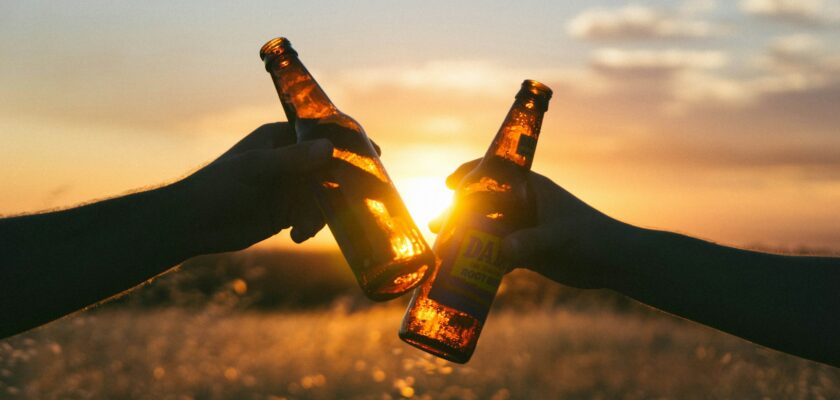
Giving up alcohol for 30 days may seem like a relatively small lifestyle change, but your body can undergo noticeable changes during that time.
For people who regularly enjoy beer, wine, cocktails, or other alcoholic drinks, taking a month-long break can affect everything from sleep and energy levels to blood pressure, digestion, weight, and liver health.
The exact results will depend on how much and how often you normally drink, along with factors such as your age, diet, medications, overall health, and activity level.
Still, there are some compelling reasons to consider an alcohol-free month.
According to the Centers for Disease Control and Prevention (CDC), drinking less alcohol can reduce the risk of health problems including high blood pressure, liver disease, heart disease, stroke, digestive problems, and several types of cancer.
So what actually happens when you put down the bottle for 30 days?
Here’s what you may notice.
The First 24 Hours: Alcohol Begins Leaving Your System
The first changes begin relatively quickly.
As your body processes the alcohol remaining in your bloodstream, your liver can turn its attention away from metabolizing alcohol and toward its many other functions.
You may also avoid some of alcohol’s immediate effects, including dehydration, impaired judgment, and disrupted sleep.
How you feel during the first day depends heavily on your usual drinking habits.
Someone who occasionally has a glass of wine with dinner may notice very little. Someone who drinks heavily or has developed alcohol dependence can have an entirely different experience.
Important: Suddenly stopping alcohol can be dangerous for people who are physically dependent on it.
Alcohol withdrawal can cause symptoms including shaking, sweating, anxiety, nausea, insomnia, rapid heartbeat, hallucinations, and seizures. Severe alcohol withdrawal can be life-threatening.
Anyone who drinks heavily on a regular basis or has experienced withdrawal symptoms before should speak with a healthcare professional before abruptly quitting alcohol.
Days 2–3: Your Sleep May Start Changing
Many people associate alcohol with relaxation and sleep because it can initially make you feel drowsy.
But falling asleep quickly isn’t necessarily the same thing as getting high-quality sleep.
Alcohol can interfere with normal sleep patterns, which is one reason people sometimes wake up during the night or feel tired the morning after drinking.
After stopping alcohol, sleep may gradually improve.
Don’t be surprised, however, if the first few nights aren’t perfect. Some people—particularly those accustomed to drinking regularly—can initially experience difficulty sleeping.
Over time, an alcohol-free routine may contribute to better-quality sleep, which can have a ripple effect on daytime energy, concentration, and mood.
Days 3–7: You May Notice More Energy
One of the more noticeable benefits of drinking less can be improved energy.
Alcohol contains calories but provides little nutritional value. Drinking can also influence food choices, sleep quality, hydration, and how you feel the following morning.
Take alcohol out of the equation and you may find yourself waking up feeling more refreshed.
That could make it easier to exercise, prepare healthier meals, complete household projects, or simply remain active throughout the day.
The NHS lists feeling better in the morning and having more energy among the short-term benefits people may experience after reducing their alcohol intake.
Your Hydration May Improve
Alcohol can increase urine production, which may contribute to dehydration, particularly when someone consumes larger quantities.
That’s one reason drinking can sometimes be followed by thirst, headache, fatigue, or a dry mouth.
Replace alcoholic drinks with water or other nonalcoholic beverages and maintaining good hydration may become easier.
Adequate hydration is important for digestion, circulation, temperature regulation, and normal body function.
Some people also report that their skin looks healthier when they reduce their alcohol intake, although skin changes vary considerably from person to person.
Your Digestive System Gets a Break
Alcohol doesn’t affect only your brain and liver. It can also affect your digestive system.
The CDC lists digestive problems among the potential consequences associated with excessive alcohol consumption.
For some people, alcohol can contribute to stomach irritation or digestive discomfort.
Taking a break may therefore help certain people notice improvements in symptoms such as indigestion or stomach discomfort.
However, persistent digestive problems should always be discussed with a healthcare professional rather than assumed to be caused by alcohol.
Week 2: Your Blood Pressure May Benefit
Here’s one benefit that becomes increasingly important as we get older.
Excessive alcohol consumption is associated with high blood pressure, and high blood pressure is a major risk factor for cardiovascular disease and stroke.
Reducing alcohol consumption can help some people improve their blood pressure over time.
The change won’t necessarily happen overnight, and stopping alcohol isn’t a substitute for prescribed blood-pressure medication or other medical treatment.
But an alcohol-free month can provide an opportunity to see how lifestyle changes affect your numbers.
If you have a home blood-pressure monitor, keeping a record throughout the month could give you useful information to discuss with your doctor.
Your Liver May Begin to Recover
Few organs are as closely associated with alcohol as the liver.
Your liver processes alcohol, but excessive drinking over time can contribute to liver damage and disease.
The encouraging news is that the liver has a significant ability to recover from certain types of injury when the damaging exposure is removed, particularly before advanced permanent damage develops.
Taking a month away from alcohol reduces your liver’s exposure to alcohol.
However, 30 alcohol-free days cannot be expected to reverse every form of liver damage.
People concerned about their liver health should speak with a healthcare professional, who may recommend blood tests or other examinations.
You Could Lose Some Weight
If weight loss is one of your goals, eliminating alcohol may help—but there are no guarantees.
Alcoholic beverages can contain substantial calories.
Those calories can add up quickly, especially when drinks contain sugary mixers, syrups, cream, or other high-calorie ingredients.
Suppose your usual evening drinks contribute several hundred calories to your diet. Removing those calories without replacing them elsewhere could create a calorie deficit that leads to weight loss.
There may be another advantage.
Drinking can lower inhibitions and make high-calorie late-night food more tempting. An alcohol-free evening could make it easier for some people to stick with healthier eating habits.
Your results will ultimately depend on your total calorie intake, physical activity, metabolism, and other factors.
Your Mood and Mental Clarity May Change
The relationship between alcohol and mental health is complicated.
Alcohol affects the brain’s reward and stress systems, and heavy or prolonged alcohol use can contribute to changes in brain function.
Some people who stop drinking eventually report feeling mentally sharper or more emotionally stable.
Others may temporarily experience irritability, anxiety, cravings, or low mood, particularly if alcohol had become an important part of their routine.
For someone with alcohol use disorder, recovery can take considerably longer than 30 days. Professional treatment and ongoing support may be appropriate.
By Week 3: Better Sleep May Become Your New Normal
By the third week, some people begin appreciating something they may have underestimated: consistently waking up without alcohol-related aftereffects.
Better sleep can influence numerous areas of daily life.
You may have more energy for exercise, find it easier to concentrate, or simply feel more productive during the day.
The effect can become cyclical.
Better sleep can encourage healthier decisions during the day, while healthier daytime habits can make it easier to sleep well at night.
You May Save More Money Than Expected
Not every benefit of giving up alcohol happens inside your body.
Alcohol can be expensive.
A couple of drinks at a restaurant or bar can quickly add a significant amount to the bill. Even purchasing beer, wine, or liquor for home consumption can become a considerable monthly expense.
Try keeping track of what you would normally have spent on alcohol for 30 days.
The total might surprise you.
That money could instead go toward groceries, savings, travel, hobbies, exercise equipment, or something else that improves your quality of life.
Day 30: Your Long-Term Health Risk Is Moving in the Right Direction
Thirty days without alcohol won’t erase years of drinking, but reducing alcohol exposure is still meaningful.
The CDC says excessive alcohol use is associated with numerous long-term health problems, including:
- High blood pressure
- Heart disease
- Stroke
- Liver disease
- Digestive problems
- A weakened immune system
- Alcohol use disorder
- Several types of cancer
Alcohol has been linked to cancers of the mouth, throat, voice box, esophagus, colon and rectum, liver, and female breast.
The CDC emphasizes a straightforward principle: drinking less is better for your health than drinking more.
That means a 30-day break can be more than a temporary challenge. It can provide an opportunity to reconsider how alcohol fits into your lifestyle.
What Happens After the 30 Days?
This may be the most valuable part of the entire experiment.
After a month without drinking, ask yourself a few simple questions.
Are you sleeping better? Do you have more energy? Have you lost weight? Are you spending less money? Has your blood pressure changed? Do you miss alcohol as much as you expected?
Your answers may help determine what comes next.
Some people decide to remain alcohol-free. Others return to drinking but consume alcohol less frequently or in smaller amounts.
Either way, a month without alcohol can provide useful insight into how drinking affects your everyday life.
One Warning You Shouldn’t Ignore
A 30-day alcohol break is not safe for everyone to begin without medical guidance.
If you’ve been drinking heavily for a prolonged period, abruptly stopping can trigger alcohol withdrawal.
The National Institute on Alcohol Abuse and Alcoholism (NIAAA) warns that alcohol withdrawal can potentially become life-threatening.
Warning signs can include:
- Shaking or tremors
- Heavy sweating
- Rapid heartbeat
- Nausea or vomiting
- Severe anxiety
- Insomnia
- Hallucinations
- Confusion
- Seizures
Anyone who experiences severe symptoms after stopping alcohol should seek immediate medical attention.
If you regularly drink heavily, need alcohol to feel normal, drink in the morning, or have previously experienced withdrawal symptoms when cutting back, talk with a healthcare professional before attempting to quit suddenly.
The Bottom Line
Going alcohol-free for 30 days isn’t a miracle cure, and everyone’s experience will be different.
But giving your body a month without alcohol may offer benefits ranging from improved sleep and increased energy to easier weight management and better blood pressure.
More importantly, drinking less reduces exposure to a substance associated with liver disease, cardiovascular problems, digestive issues, and multiple types of cancer.
You may discover that the biggest benefit isn’t what happens on Day 30.
It’s realizing how different you feel without alcohol—and deciding which of those changes you’d like to carry into Day 31 and beyond.
This article is for general informational and educational purposes only and is not a substitute for professional medical advice, diagnosis, or treatment. People who drink heavily or may be dependent on alcohol should seek medical guidance before abruptly stopping alcohol.

