
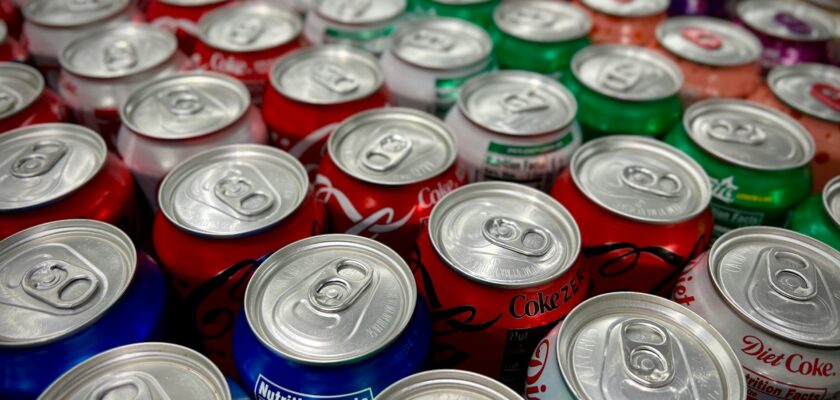
For millions of Americans, drinking soda is an everyday habit.
A cold cola with lunch, a fountain drink with dinner, or a can for an afternoon pick-me-up can seem harmless enough.
But what could happen if you stopped drinking soda for just 30 days?
For people who regularly drink sugar-sweetened soda, replacing it with water or other unsweetened beverages can substantially reduce added sugar and calories. Over time, that change may benefit blood sugar control, dental health, weight management, and other aspects of health.
The results won’t be identical for everyone, and giving up soda for one month isn’t a miracle cure. Still, several noticeable changes may occur—especially if soda currently makes up a significant part of your daily diet.
1. Your Added Sugar Intake Could Drop Dramatically
One of the biggest changes happens immediately: you’re no longer consuming the sugar found in regular soda.
A typical 12-ounce can of regular soda can contain roughly 35 to 40 grams of added sugar, depending on the brand. That’s around 9 to 10 teaspoons.
If you normally drink two cans per day, eliminating them could remove approximately 70 to 80 grams of added sugar from your daily diet.
Over 30 days, that adds up to a substantial reduction.
The American Heart Association recommends limiting added sugars to no more than 36 grams per day for most men and 25 grams per day for most women. That means even one regular soda can put someone near or above the recommended daily amount.
Reducing added sugar may also make it easier to build an overall healthier eating pattern.
2. You May Consume Thousands Fewer Calories
Regular soda doesn’t just contain sugar. It can also contribute a surprising number of calories.
One 12-ounce soda commonly contains around 140 to 150 calories. Someone who normally drinks two every day could be consuming close to 300 calories from soda alone.
Replace those drinks with calorie-free water for 30 days, and the difference could total roughly 9,000 calories.
That doesn’t guarantee a particular amount of weight loss. Body weight is influenced by total food intake, activity, metabolism, medications, sleep, health conditions, and numerous other factors.
However, eliminating a significant source of liquid calories may make maintaining a calorie deficit easier for people trying to manage their weight.
3. Your Blood Sugar May Face Fewer Sudden Surges
Sugary drinks are rapidly absorbed and provide large amounts of carbohydrate without much protein, fiber, or fat to slow digestion.
As a result, regular soda can cause blood glucose to rise quickly.
Removing sugar-sweetened soda means your body no longer has to process those repeated doses of rapidly absorbed sugar from the beverage.
That doesn’t mean blood sugar will automatically become “normal” after 30 days. Your entire diet, activity level, genetics, body composition, medications, and existing health conditions matter.
Still, replacing sugary drinks with unsweetened alternatives is one practical way to reduce added sugar consumption.
People with diabetes or other blood sugar concerns should continue following their healthcare professional’s treatment recommendations rather than using a 30-day soda challenge as a substitute for medical care.
4. Your Teeth May Thank You
Your mouth could be one of the biggest beneficiaries of quitting soda.
Regular soda presents two problems for teeth: sugar and acidity.
Bacteria in the mouth can use sugar to produce acids that contribute to tooth decay. At the same time, acidic beverages can contribute to erosion of tooth enamel.
Diet soda removes the large sugar load, but many diet soft drinks remain acidic. That means switching from regular soda to diet soda doesn’t necessarily eliminate every dental concern associated with soft drinks.
Replacing soda with plain water is generally much friendlier to your teeth.
After a month, you probably won’t suddenly have perfect dental health, but reducing frequent exposure to sugary and acidic drinks is a positive step for protecting your teeth over the long term.
5. You Could Lose Some Weight
Will quitting soda for a month make you lose weight?
Possibly—but there is no universal number.
If you regularly consume several hundred calories per day from soda and replace those drinks with water without eating additional calories elsewhere, your overall calorie intake will decrease.
That can support weight loss.
But the scale may respond differently from person to person. Someone who previously drank three large sodas every day may experience a bigger change than someone who only had one small soda each week.
The important point is that liquid calories can be easy to consume without providing the same feeling of fullness that many solid foods provide.
For regular soda drinkers, removing those calories can therefore be a relatively straightforward dietary change.
6. Your Energy Levels Could Feel Different
The first few days without soda may not feel wonderful—particularly if your favorite soda contains caffeine.
People accustomed to consuming caffeine every day can experience withdrawal after abruptly reducing their intake. Symptoms may include headache, tiredness, difficulty concentrating, irritability, and reduced alertness.
These symptoms are generally temporary.
If you’re a heavy caffeine consumer and want to avoid a sudden change, gradually reducing caffeinated beverages may be easier than stopping overnight.
Once the adjustment period passes, some people may prefer no longer depending on caffeinated soda for a daily boost.
Remember, though, that giving up soda doesn’t necessarily mean giving up caffeine. Coffee and tea can also contain significant amounts.
7. Your Heart Health May Benefit Over the Long Term
One soda-free month is unlikely to transform your cardiovascular health by itself.
But reducing sugar-sweetened beverages can be part of a heart-healthy lifestyle.
High consumption of sugary beverages has been associated in research with unfavorable health outcomes, including increased risks related to weight gain, type 2 diabetes, and cardiovascular disease.
The key word is long-term.
A 30-day break can be a useful starting point, but maintaining healthier beverage choices beyond the first month is more likely to produce meaningful benefits.
Other habits—including exercising regularly, avoiding tobacco, getting adequate sleep, managing blood pressure and eating a balanced diet—remain important.
8. You May Notice That Soda Starts Tasting Extremely Sweet
There’s another interesting possibility after spending several weeks away from soda: your taste preferences may begin to change.
People accustomed to consuming very sweet foods and beverages regularly may become used to intense sweetness.
After reducing added sugar for several weeks, extremely sweet beverages can sometimes seem more noticeable when reintroduced.
That can make the end of a 30-day challenge interesting.
Your first sip of soda after a month away may taste considerably sweeter than you remember.
What About Diet Soda?
Giving up diet soda is somewhat different because you’re not removing the same large amount of sugar or calories found in regular soda.
If replacing regular soda with diet soda helps someone substantially reduce added sugar and calorie intake, the nutritional tradeoff is different from replacing one sugary soda with another.
However, water remains one of the simplest beverage choices.
People who dislike plain water can try sparkling water, unsweetened tea, or water flavored with slices of lemon, lime, cucumber, berries, or other fruit.
The goal doesn’t have to be perfection. Finding an unsweetened alternative you actually enjoy makes a long-term change much easier to maintain.
What Happens During the First Week Without Soda?
The first several days may be the hardest for daily soda drinkers.
If you’re accustomed to caffeine, you could experience temporary withdrawal symptoms. You may also find yourself craving the sweetness or simply missing the routine of opening a soda at a particular time of day.
Replacing the habit can help.
For example, someone who always drinks soda with dinner might keep cold sparkling water available instead. Someone who reaches for soda during the afternoon could try unsweetened iced tea.
By the second or third week, the new routine may begin feeling more normal.
After 30 Days, Should You Start Drinking Soda Again?
You don’t necessarily have to swear off soda forever.
For most people, an occasional soft drink can fit into an otherwise balanced diet. The bigger concern is when sugar-sweetened beverages become a major daily source of added sugar and calories.
After 30 days, consider how you feel.
Did you lose weight? Are you drinking more water? Are you spending less money on beverages? Do you still crave soda every day? Does soda now taste unusually sweet?
Those observations can help determine what makes sense going forward.
Some people may decide to eliminate soda entirely. Others might reserve it for weekends, restaurants, or special occasions.
Either approach can represent a major reduction compared with drinking it several times every day.
The Bottom Line
Giving up soda for a month won’t magically overhaul your health, but it can remove a significant source of added sugar and calories if you’re a regular soda drinker.
Over 30 days, you may consume thousands fewer calories, substantially reduce your added sugar intake, decrease your teeth’s exposure to sugary and acidic drinks, and establish healthier hydration habits.
And perhaps the biggest benefit isn’t what happens during those 30 days.
It’s what happens afterward.
If one soda-free month helps turn an occasional experiment into a lasting reduction in sugary drinks, the health benefits can continue well beyond the challenge.
Medical disclaimer: This article is for general informational purposes only and is not a substitute for professional medical advice, diagnosis, or treatment. People with diabetes or other medical conditions, or those making significant dietary changes, should consult an appropriate healthcare professional.

