
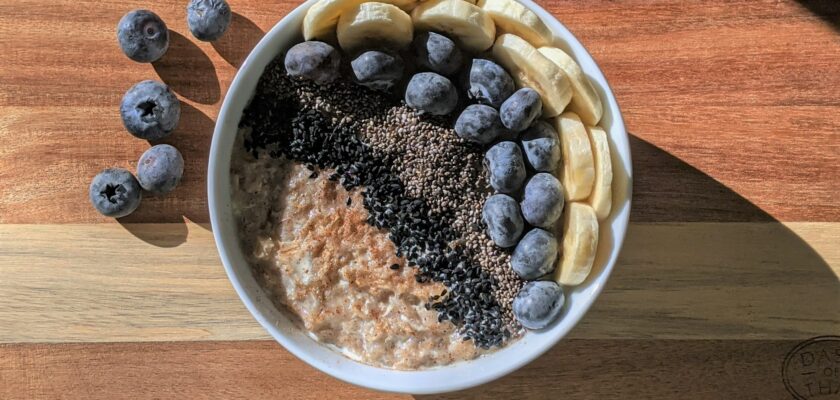
Oatmeal has been a breakfast staple for generations, and there is a good reason it continues to show up on kitchen tables across America.
It is inexpensive, easy to prepare, naturally filling, and packed with nutrients that can support a healthy diet.
But what actually happens to your body if you eat oatmeal every morning?
For most people, regularly eating oats can be a nutritious habit. Oatmeal provides fiber, complex carbohydrates, vitamins, minerals, and plant compounds that may support heart health, digestion, blood sugar management, and healthy weight maintenance.
However, the benefits can depend heavily on the type of oatmeal you choose and what you add to the bowl.
Here is a closer look at what may happen when oatmeal becomes part of your daily breakfast routine.
1. You May Feel Full for Longer
One of oatmeal’s biggest advantages is its fiber content.
Oats contain a soluble fiber called beta-glucan. When mixed with water, this fiber forms a thick, gel-like substance in the digestive system. That can slow digestion and help food remain in the stomach longer.
As a result, a bowl of oatmeal in the morning may help you feel satisfied until lunch and reduce the temptation to reach for sugary snacks a few hours after breakfast.
This can be especially helpful for people trying to maintain a healthy body weight or control portion sizes throughout the day.
Adding protein and healthy fats can make oatmeal even more satisfying. Examples include Greek yogurt, nuts, seeds, milk, or a spoonful of natural peanut butter.
2. Your Digestive Health May Improve
Eating oatmeal regularly may also benefit your digestive system.
The fiber in oats helps support regular bowel movements while providing nourishment for beneficial bacteria living in the gut.
A healthy gut microbiome has become an important area of nutrition research because gut bacteria are involved in digestion, immune function, and several metabolic processes.
People who suddenly increase their fiber intake may notice temporary bloating or gas, however.
If you are not accustomed to eating much fiber, gradually increasing your intake and drinking enough water may make the transition more comfortable.
3. Oatmeal May Support Healthy Cholesterol Levels
One of the best-known benefits of oats involves heart health.
Beta-glucan fiber can help reduce the absorption of cholesterol in the digestive tract. Regularly consuming adequate amounts of soluble fiber may therefore help lower LDL cholesterol, sometimes called “bad” cholesterol.
Maintaining healthy cholesterol levels is important because elevated LDL cholesterol is associated with a greater risk of cardiovascular disease.
Oatmeal should not be viewed as a treatment for high cholesterol on its own, but it can be part of a heart-conscious eating pattern that also includes vegetables, fruits, lean proteins, legumes, healthy fats, and regular physical activity.
4. Your Blood Sugar May Become More Stable
Plain oatmeal generally digests more slowly than heavily processed breakfast foods made with refined flour and added sugar.
That slower digestion can lead to a more gradual release of glucose into the bloodstream.
For many people, this may help prevent the sharp rise and fall in blood sugar that can sometimes occur after eating sugary cereals, pastries, or sweetened breakfast drinks.
The type of oatmeal matters.
Steel-cut oats and old-fashioned rolled oats are generally less processed than instant varieties. Some flavored instant oatmeal products also contain significant amounts of added sugar.
People with diabetes or other blood sugar concerns should pay attention to portion sizes and toppings and follow individualized guidance from their healthcare professional.
5. You May Get More Heart-Healthy Nutrients
Oatmeal contains more than fiber.
Oats provide nutrients including manganese, phosphorus, magnesium, iron, zinc, and several B vitamins.
These nutrients play different roles throughout the body, including helping with energy production, bone health, oxygen transport, and normal cellular function.
Oats also contain naturally occurring plant compounds known as avenanthramides. These antioxidants are relatively unique to oats and are being studied for their possible role in supporting cardiovascular health.
Eating oatmeal will not provide every nutrient your body needs, but it can make a nutritious foundation for breakfast.
6. It Could Help With Weight Management
Oatmeal is not a magic weight-loss food, but it may make maintaining a healthy weight easier for some people.
Foods high in fiber generally promote fullness, which can make it easier to manage hunger and overall calorie intake.
The problem comes when a healthy bowl of oats turns into a dessert.
Large amounts of brown sugar, maple syrup, chocolate chips, sweetened dried fruit, or flavored creamers can dramatically increase the sugar and calorie content.
For a more balanced bowl, consider adding fruit, cinnamon, walnuts, almonds, chia seeds, flaxseed, or unsweetened yogurt.
7. Your Energy May Feel More Consistent
Oats are primarily a source of carbohydrates, which are one of the body’s major sources of energy.
Because oatmeal contains complex carbohydrates and fiber, it tends to digest more slowly than many highly refined breakfast foods.
That may provide steadier energy throughout the morning instead of the quick burst followed by an energy crash that some people experience after eating a high-sugar breakfast.
Pairing oatmeal with protein may provide an even more balanced meal.
For example, oatmeal made with milk and topped with walnuts and berries provides carbohydrates, protein, fiber, fat, vitamins, and minerals in one breakfast.
8. Your Heart May Benefit Over Time
Regular oatmeal consumption is often associated with a heart-healthy diet because oats provide soluble fiber and are naturally low in saturated fat.
Heart health depends on many factors, including genetics, blood pressure, cholesterol levels, smoking status, physical activity, sleep, and overall diet.
Still, replacing foods high in saturated fat, sodium, or added sugar with a simple bowl of oatmeal may be one small positive change.
The greatest benefits generally come from an overall eating pattern rather than any single food.
9. You May Become More Regular
People who struggle with occasional constipation may notice a difference after adding oatmeal to their breakfast routine.
Fiber adds bulk to stool and can help support regular bowel movements.
However, increasing fiber without drinking enough fluids can sometimes make constipation worse.
If you begin eating oatmeal daily, make sure you are also consuming adequate water throughout the day.
10. Your Breakfast May Contain Less Added Sugar
This benefit depends entirely on what oatmeal replaces.
If you normally eat donuts, pastries, sugary cereals, or other highly sweetened breakfast foods, switching to plain oatmeal could substantially reduce your morning intake of added sugar.
Added sugars can quickly increase calorie intake while providing little nutritional value.
The American Heart Association and other health organizations generally recommend limiting added sugar as part of a heart-healthy diet.
Checking nutrition labels is important because some instant oatmeal packets contain several teaspoons’ worth of added sugar.
Is Instant Oatmeal Healthy?
Instant oatmeal can still provide whole grains and fiber, but products vary considerably.
Plain instant oatmeal is different from heavily sweetened flavored packets.
When buying oatmeal, consider checking the nutrition label for:
- Added sugar
- Sodium
- Fiber
- Serving size
- Additional ingredients
A plain variety allows you to control how much sweetness goes into your breakfast.
Fresh berries, sliced banana, apples, cinnamon, or a small amount of honey can add flavor without relying on heavily processed toppings.
Steel-Cut Oats vs. Rolled Oats vs. Instant Oats
All three begin with oat groats, but they are processed differently.
Steel-cut oats are chopped into smaller pieces and usually take longer to cook.
Rolled oats are steamed and flattened, allowing them to cook more quickly.
Instant oats are processed further so they can be prepared within minutes.
Nutritionally, all can fit into a healthy diet. The biggest concern with many instant products is not necessarily the oats themselves but the added sugar, flavorings, and sodium included in some packaged varieties.
What Should You Add to Oatmeal?
A nutritious oatmeal breakfast can be customized in dozens of ways.
Some healthier additions include blueberries, strawberries, raspberries, bananas, apples, walnuts, almonds, pumpkin seeds, chia seeds, ground flaxseed, cinnamon, plain Greek yogurt, milk, or unsweetened plant-based milk.
Adding protein is especially useful because plain oatmeal alone may not contain enough protein to keep everyone satisfied for several hours.
Eggs, yogurt, cottage cheese, nuts, seeds, or protein-rich milk can help create a more balanced breakfast.
Can You Eat Oatmeal Every Day?
For most healthy adults, oatmeal can safely be eaten every day as part of a varied diet.
Variety still matters, however.
Eating the same breakfast every morning can make it easier to miss nutrients found in other foods. Rotating oatmeal with eggs, fruit, whole-grain toast, yogurt, or other nutritious breakfasts can help provide a wider range of nutrients.
People with specific digestive conditions, food allergies, or medically prescribed diets may need individualized guidance.
Those with celiac disease should also look for oats specifically labeled gluten-free because ordinary oats can sometimes become contaminated with wheat during farming or processing.
One Important Warning About Oatmeal
Oatmeal’s health benefits can disappear quickly depending on how it is prepared.
A bowl containing large amounts of sugar, syrup, butter, cream, and candy-like toppings can contain far more calories and added sugar than plain oatmeal.
That does not mean oatmeal needs to be bland.
Fruit, cinnamon, vanilla, nuts, seeds, and small amounts of natural sweeteners can provide plenty of flavor.
The goal is to make the oats the foundation of the meal rather than turning breakfast into dessert.
How Much Oatmeal Should You Eat?
A typical serving is often around one-half cup of dry rolled oats, although appropriate portion sizes vary depending on age, activity level, nutritional needs, and total calorie intake.
Someone who is highly active may require a larger breakfast, while another person may feel satisfied with a smaller serving combined with fruit and protein.
Listening to hunger and fullness cues can be more useful than assuming one serving size works for everyone.
The Bottom Line
Eating oatmeal every morning can be a simple way to add whole grains and soluble fiber to your diet.
Regularly eating oats may help support healthy cholesterol levels, digestion, stable energy, fullness, blood sugar management, and overall heart health.
The healthiest approach is generally to choose plain or minimally sweetened oats and pair them with nutrient-dense toppings such as fruit, nuts, seeds, yogurt, or milk.
Oatmeal is not a miracle food, and no single breakfast can prevent disease or guarantee weight loss. But when it replaces highly processed, sugary breakfast foods, it can be a practical addition to an overall healthy lifestyle.
As with any significant dietary change, people managing diabetes, digestive disorders, kidney disease, food allergies, or other medical conditions should discuss their individual nutritional needs with a qualified healthcare professional.
This article is for general informational purposes and is not a substitute for personalized medical advice, diagnosis, or treatment.

