
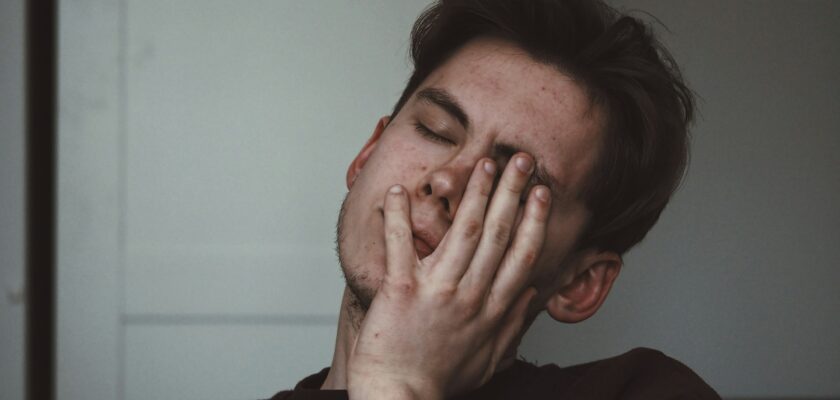
Sleep isn’t just “rest”—it’s a critical biological process that keeps your brain sharp, your immune system strong, and your body functioning properly.
But what actually happens if you go a full 24 hours without sleep? The effects are more serious—and more immediate—than many people realize.
In today’s fast-paced world, pulling an all-nighter might seem harmless. In reality, even one night without sleep can disrupt nearly every system in your body.
🧠 Your Brain Slows Down — Dramatically
After 24 hours without sleep, your brain begins to function as if you’re impaired.
- Reaction time slows significantly
- Memory becomes unreliable
- Decision-making suffers
- Focus and attention drop sharply
Studies have shown that being awake for 24 hours can impair you similarly to having a blood alcohol level of 0.10%—above the legal driving limit in most states.
This means driving, operating machinery, or making important decisions becomes dangerous.
❤️ Your Heart and Blood Pressure Take a Hit
Lack of sleep places immediate stress on your cardiovascular system.
- Blood pressure begins to rise
- Heart rate variability decreases
- Stress hormones like cortisol increase
Over time, repeated sleep deprivation can raise the risk of heart disease, stroke, and hypertension—but even after just one night, your body starts showing warning signs.
🛡️ Your Immune System Weakens
Your immune system relies heavily on sleep to function properly.
After 24 hours without rest:
- Production of protective immune cells drops
- Inflammation increases
- Your body becomes more vulnerable to illness
That’s why people who don’t sleep enough are more likely to catch colds, flu, and other infections.
⚖️ Your Hormones Go Out of Balance
Sleep deprivation disrupts key hormones that regulate hunger and metabolism.
- Ghrelin (hunger hormone) increases
- Leptin (fullness hormone) decreases
- Cravings for sugar and high-calorie foods spike
This is one reason why poor sleep is strongly linked to weight gain and obesity.
😠 Your Mood and Emotions Become Unstable
Even one sleepless night can affect your emotional state.
- Irritability increases
- Anxiety levels rise
- Stress tolerance drops
- Risk of depression symptoms increases
You may overreact to minor issues or struggle to manage everyday stress.
🧍 Your Coordination and Safety Decline
Physical coordination takes a hit after 24 hours without sleep.
- Increased risk of accidents
- Slower reflexes
- Poor hand-eye coordination
- “Microsleeps” (brief, uncontrollable sleep episodes)
Microsleeps can last just a few seconds—but if they happen while driving, the consequences can be deadly.
⚠️ The Bottom Line: One Night Matters More Than You Think
Going 24 hours without sleep isn’t just uncomfortable—it’s a full-body disruption.
Your brain slows down, your heart works harder, your immune defenses weaken, and your mood becomes unstable. While your body can recover from an occasional sleepless night, repeated sleep deprivation can lead to serious long-term health issues.
✅ How to Recover After Sleep Deprivation
If you’ve missed a full night of sleep, here’s how to help your body bounce back:
- Prioritize a full night of quality sleep the next day
- Take short naps (20–30 minutes) if needed
- Stay hydrated and eat balanced meals
- Avoid heavy caffeine late in the day
- Get sunlight exposure to reset your internal clock
Final Thoughts
Sleep is not optional—it’s essential. Even just 24 hours without it can have real, measurable effects on your body and mind. Protecting your sleep isn’t laziness—it’s one of the smartest health decisions you can make.

