
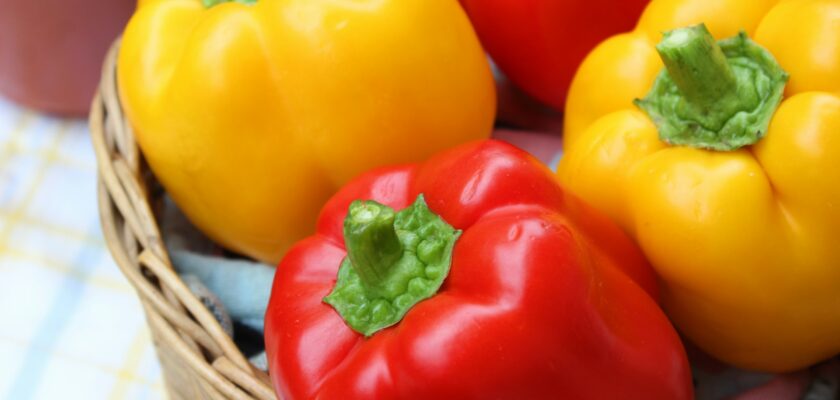
What to know about nightshades such as tomatoes, bell peppers, eggplants and more!
When it comes to eating healthy, most people load up on vegetables. But what if some of the most popular “health foods” are silently sabotaging your joints?
If you’ve been struggling with mysterious joint pain, stiffness, or inflammation, the culprit might be hiding in your salad bowl: nightshade vegetables.
What Are Nightshades?
Nightshades are a group of vegetables in the Solanaceae family. They include:
- Tomatoes
- Potatoes (not sweet potatoes)
- Eggplants
- Peppers (including bell peppers, jalapeños, and chili peppers)
- Goji berries
These foods are rich in nutrients like vitamin C, potassium, and fiber. But for some people, especially those prone to autoimmune issues or joint problems, nightshades can trigger painful inflammation.
The Inflammation Connection
Nightshades contain a natural chemical called solanine, which is a glycoalkaloid—a type of compound that protects plants from insects and disease.
In sensitive individuals, solanine and other alkaloids found in nightshades may disrupt gut health, increase inflammation, and worsen symptoms of:
- Arthritis
- Fibromyalgia
- Chronic joint pain
- Autoimmune conditions
Some report almost immediate relief in pain and mobility after cutting out nightshades—even after years of discomfort.
Nightshades & Arthritis: A Hidden Trigger?
Although research is still ongoing, countless anecdotal reports and some functional medicine practitioners point to a strong link between nightshade consumption and joint flare-ups.
People with rheumatoid arthritis or osteoarthritis often say that removing nightshades led to:
✅ Less joint stiffness in the morning
✅ Reduced swelling
✅ Better mobility
✅ Improved digestion
“I thought I was just getting older—but once I stopped eating tomatoes and peppers, my knees felt like they were 20 years younger,” says Maria T., a 62-year-old retiree from Florida.
Should You Eliminate Nightshades?
Not everyone needs to ditch nightshades. But if you’re dealing with unexplained aches, joint pain, or autoimmune flares, trying a nightshade elimination diet for 2–4 weeks may provide answers.
How to Do It:
- Cut out all nightshades (and processed foods containing them).
- Track your symptoms daily.
- After 2–4 weeks, reintroduce them one at a time.
- Observe for any reactions within 48 hours.
If symptoms return after reintroducing, nightshades may be your hidden trigger.
Nightshade-Free Swaps
Worried about giving up your favorite dishes? Try these nightshade-free alternatives:
| Nightshade | Swap With |
|---|---|
| White potatoes | Sweet potatoes, yuca |
| Tomatoes | Beets, carrots, pumpkin purée |
| Bell peppers | Zucchini, celery |
| Eggplant | Portobello mushrooms |
| Hot sauce | Horseradish, mustard |
Bottom Line: Listen to Your Body
Nightshades aren’t “bad” for everyone—but for some, they’re a hidden source of inflammation that mainstream health advice often overlooks. If your joints ache and your doctors keep saying “everything looks fine,” try eliminating nightshades and see what happens.
Your body might just thank you.
Disclaimer:
This article is for informational purposes only and does not constitute medical advice. Always consult a healthcare professional before making dietary changes.

