
There’s a lot of rumors about tanning bed. Here’s what you should know.
Tanning beds have long been a popular option for individuals seeking a sun-kissed glow, especially in places where sunlight is scarce for months at a time. With the rise of self-tanning lotions, sprays, and sunscreens, however, tanning beds continue to spark debate about their safety and potential health benefits. So, are tanning beds really good for you, or is this practice just another shortcut to skin damage?
The Appeal of Tanning Beds
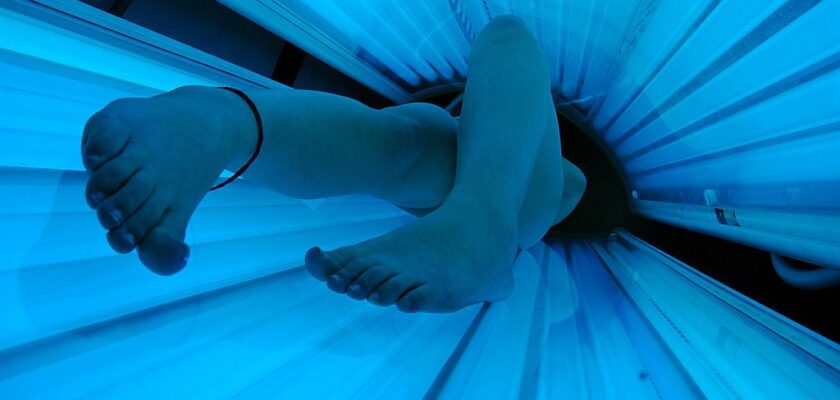
For many, tanning beds seem like a quick and convenient way to achieve a tan without having to spend hours in the sun. In a typical tanning bed, ultraviolet (UV) light is emitted from special bulbs, simulating the effects of natural sunlight. This exposure stimulates the skin to produce melanin, the pigment responsible for darkening the skin. Over time, this results in a tan that many people associate with health and vitality.
But despite the appeal, the potential dangers of tanning beds often go overlooked, especially when they are marketed as safe alternatives to sunbathing.
The Risks of Tanning Beds
The primary concern surrounding tanning beds is their exposure to ultraviolet (UV) radiation, which is classified into two main types: UVA and UVB.
- UVA rays penetrate the skin more deeply than UVB rays and are responsible for causing premature aging, wrinkles, and DNA damage. These rays are present in tanning bed lights and are often the most damaging.
- UVB rays are the primary cause of sunburn and play a significant role in the development of skin cancer.
Although tanning beds emit mostly UVA radiation, they can also release a significant amount of UVB rays, especially in higher-powered machines. This combination can cause a range of harmful effects, including:
- Increased Risk of Skin Cancer: According to numerous studies, exposure to UV radiation—whether from tanning beds or the sun—is a leading cause of skin cancers, including melanoma, basal cell carcinoma, and squamous cell carcinoma. Research indicates that using tanning beds before the age of 35 increases the risk of melanoma by 59%.
- Premature Skin Aging: UV radiation damages collagen and elastin in the skin, leading to wrinkles, sagging, and a loss of skin tone. Even a few tanning sessions can speed up the skin’s aging process, leaving long-lasting marks.
- Eye Damage: Tanning beds can cause severe eye damage, including cataracts and other vision issues, if eye protection isn’t worn. UV rays can also lead to photokeratitis, a painful condition similar to sunburn, but in the eyes.
- Immune System Suppression: Excessive UV exposure can suppress the skin’s immune system, making it harder for the body to defend itself against infections and even certain types of skin cancer.
Do Tanning Beds Have Any Health Benefits?
While the risks are well-documented, some proponents of tanning beds argue that they offer a few potential health benefits, notably the production of vitamin D.
Vitamin D and UV Exposure
One of the primary arguments for tanning bed use is that UV light helps the body produce vitamin D, an essential nutrient that plays a critical role in bone health, immune function, and mood regulation. In theory, spending time in a tanning bed could help individuals boost their vitamin D levels, especially during the winter months when sunlight is limited.
However, there are alternative and safer ways to increase vitamin D intake without risking skin damage:
- Vitamin D-rich foods: Fatty fish, fortified dairy products, and egg yolks are excellent sources.
- Supplements: Vitamin D supplements are widely available and can provide a safe and effective way to maintain adequate levels.
Most dermatologists agree that the risks associated with tanning beds far outweigh the potential benefits of vitamin D production. A few minutes of UV exposure from a tanning bed can lead to serious skin damage that may not be immediately visible but could cause long-term harm.
Is There a Safe Way to Tan?
Given the risks of tanning beds, many people turn to self-tanning lotions, sprays, and bronzers as safer alternatives. These products provide a temporary tan without the need for UV exposure, offering a healthier option for achieving a bronze glow.
Additionally, recent innovations in tanning technology, such as LED light therapy, are being explored as safer options for achieving a tan without harmful UV radiation. While these methods are still under research, they show promise as alternatives to traditional tanning beds.
Conclusion: Tanning Beds – A Risky Choice
When it comes down to it, the evidence overwhelmingly supports the conclusion that tanning beds are not good for your health. The risks of skin cancer, premature aging, and eye damage far outweigh any cosmetic benefits of a tan. While the desire for a tan is understandable, especially in today’s culture where a bronzed complexion is often associated with beauty and health, it’s crucial to remember that no tan is worth sacrificing your long-term well-being.
Instead, focus on safer alternatives such as self-tanners, sunscreen, and sun protection to maintain healthy skin. If you’re concerned about your vitamin D levels, talk to your doctor about safe supplementation options rather than putting yourself at risk with tanning beds.
Ultimately, the best “glow” comes from good health—and protecting your skin is the best way to ensure you keep looking and feeling your best for years to come.

