
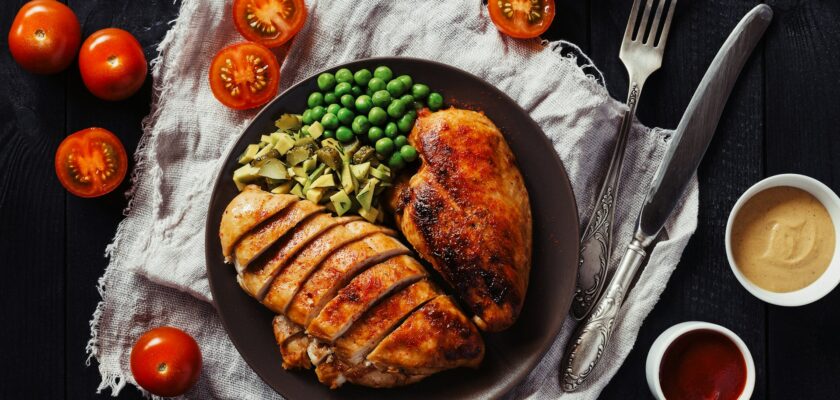
Protein is one of the most important nutrients your body needs to stay strong, healthy, and active.
Yet many people don’t realize just how much their daily protein intake can affect their energy levels, muscle strength, immune system, and overall well-being.
As we get older, getting enough protein becomes especially important. Adults over 50 naturally begin experiencing changes in muscle mass, metabolism, and physical strength. Without adequate nutrition, these changes can become more noticeable and potentially interfere with everyday activities.
The good news is that increasing your protein intake doesn’t have to involve expensive supplements, complicated diets, or major lifestyle changes. In many cases, choosing the right foods and making a few simple adjustments to your meals can make a meaningful difference.
But how can you tell whether you’re getting enough protein?
Here are seven possible warning signs that your body may benefit from more protein, along with practical ways to support your health through better nutrition.
1. You’re Losing Muscle Strength
One of the most important warning signs of inadequate protein intake is a gradual loss of muscle mass or strength.
Protein provides the amino acids your body needs to maintain and repair muscle tissue. When you don’t consume enough protein, particularly if you’re also eating too few calories, your body may begin breaking down muscle tissue to meet its nutritional needs.
This can become a bigger concern after age 50.
As people grow older, they naturally experience some degree of muscle loss, a process associated with aging known as sarcopenia. Inadequate protein intake can make maintaining muscle mass more difficult.
You might notice that everyday activities are becoming harder, including carrying groceries, climbing stairs, getting out of a chair, or completing household chores.
Although occasional weakness can happen for many reasons, a noticeable decline in strength shouldn’t be ignored.
What you can do:
Include a source of protein with every meal. Eggs, fish, chicken, Greek yogurt, beans, and lean meats are excellent options.
Combining adequate protein intake with regular resistance exercises, such as light weightlifting or resistance-band workouts, can also help preserve muscle strength as you age.
2. You Feel Hungry Shortly After Eating
Have you ever finished a meal only to find yourself searching for another snack an hour later?
While occasional hunger is completely normal, frequently feeling unsatisfied after meals may indicate that your diet isn’t providing the right balance of nutrients.
Protein plays an important role in helping you feel full and satisfied.
Compared with meals built primarily around refined carbohydrates, meals containing adequate protein may help control appetite and reduce the urge to snack between meals.
For example, a breakfast consisting only of toast and coffee may leave you hungry sooner than a breakfast that includes eggs, whole-grain toast, and fruit.
This doesn’t mean carbohydrates are unhealthy. In fact, whole grains, vegetables, and fruit provide valuable fiber, vitamins, and minerals.
However, combining these foods with protein can help create a more satisfying meal.
What you can do:
Try adding protein-rich foods to meals you already enjoy.
Consider scrambled eggs with breakfast, grilled chicken with lunch, or a serving of fish with dinner.
For snacks, Greek yogurt, cottage cheese, nuts, or hummus can help provide protein while contributing other important nutrients.
Remember that persistent hunger can also be related to inadequate calorie intake, poor sleep, stress, or certain medical conditions.
3. You’re Feeling Tired More Often Than Usual
Everyone experiences fatigue occasionally, especially after a busy day or a poor night’s sleep.
However, ongoing tiredness or unexplained weakness may sometimes be associated with poor nutrition, including inadequate protein intake.
Your body relies on protein to maintain muscle tissue and produce important substances involved in everyday bodily functions.
When protein intake is significantly inadequate, particularly alongside an overall shortage of calories and other nutrients, weakness and fatigue may develop.
For older adults, this can make ordinary activities feel more physically demanding.
You might notice that walking, gardening, cleaning, or other familiar tasks require more effort than they once did.
It’s important to understand that fatigue has many possible causes, including anemia, thyroid disorders, sleep problems, medication side effects, and other health conditions.
Therefore, feeling tired doesn’t automatically mean you need more protein.
What you can do:
Take a closer look at your daily meals.
Are you regularly skipping breakfast? Do most of your meals contain little protein? Are you eating enough food overall?
Simple changes, such as adding Greek yogurt to breakfast or including beans and lean protein with lunch, may help improve your overall nutritional intake.
If fatigue continues or becomes severe, speak with a healthcare professional rather than assuming your diet is responsible.
4. Your Hair Is Thinning or Your Nails Are Becoming Brittle
Your hair, skin, and nails depend on adequate nutrition to remain healthy.
Hair and nails contain structural proteins, including keratin, while your skin relies on proteins such as collagen for support and maintenance.
When the body experiences significant protein deficiency or broader malnutrition, it may prioritize essential functions over hair growth and other less immediately important processes.
Over time, this can contribute to noticeable changes in hair quality, skin condition, or nail strength.
Possible changes include:
- Hair that breaks more easily than usual.
- Increased hair shedding or thinning.
- Nails that appear weaker or more brittle.
- Dry or unusually fragile skin.
However, these changes are not specific to protein deficiency.
Aging, hormonal changes, thyroid disorders, iron deficiency, certain medications, and other health conditions can produce similar symptoms.
For this reason, suddenly thinning hair or changing nails should not automatically be blamed on inadequate protein.
What you can do:
Focus on eating a balanced diet that includes adequate protein, healthy fats, fruits, vegetables, and nutrient-rich foods.
Eggs, fish, poultry, beans, lentils, and dairy products can all contribute valuable protein.
If hair loss becomes sudden, severe, or persistent, consult a healthcare professional to identify the underlying cause.
5. You Seem to Get Sick More Frequently
Your immune system works around the clock to protect your body from harmful germs and infections.
Protein helps support this important defense system.
Many components of your immune system, including antibodies, are made from proteins. Your body needs an adequate supply of amino acids to produce and maintain these components.
Significant protein deficiency, particularly when combined with poor overall nutrition, can impair normal immune function.
As a result, people experiencing malnutrition may become more vulnerable to infections or have greater difficulty recovering from illness.
This is especially important for older adults, whose immune systems naturally change with age.
However, getting frequent colds or infections does not necessarily mean you have a protein deficiency.
Exposure to viruses, chronic health conditions, medications, sleep quality, and many other factors also influence immune health.
What you can do:
Support your immune system by eating a varied diet that contains adequate protein, vitamins, and minerals.
Protein-rich foods such as fish, eggs, beans, poultry, and yogurt can fit into a healthy eating routine.
Getting enough sleep, staying physically active, and keeping recommended vaccinations up to date are also important ways to support your health.
If you experience unusually frequent, serious, or prolonged infections, seek medical advice.
6. Cuts and Scrapes Are Taking Longer to Heal
Your body needs protein to repair damaged tissue.
When you get a cut, scrape, or other injury, your body begins a complex healing process that requires numerous nutrients.
Protein supplies amino acids used to build and repair tissue and supports processes involved in producing collagen.
If someone is significantly undernourished or consuming too little protein, wound healing may be slower than expected.
This can be a particular concern among older adults, especially those recovering from surgery, illness, or injury.
You might notice that a minor wound seems to take longer to close or that recovery from an injury is unusually slow.
However, delayed healing can also result from diabetes, poor circulation, infection, medications, and other medical conditions.
What you can do:
Make sure your meals contain enough protein and other essential nutrients, including vitamin C, zinc, and adequate calories.
Lean meats, fish, eggs, dairy products, beans, and soy foods are useful protein sources.
If you have a wound that is not healing normally, especially if you have diabetes, contact a healthcare professional. Increasing protein alone may not address the problem.
7. You’re Experiencing Unexplained Swelling
One lesser-known potential sign of severe protein deficiency is swelling, particularly in the legs, feet, or other parts of the body.
Proteins circulating in your blood, including albumin, help maintain the normal balance of fluid between blood vessels and surrounding tissues.
When blood protein levels become severely low, fluid can accumulate in tissues, causing a condition known as edema.
Severe protein malnutrition can contribute to this problem.
However, swelling is not a typical early sign of simply eating a little less protein than recommended.
In fact, unexplained swelling is more commonly associated with other medical concerns, including kidney problems, liver disease, heart conditions, and medication side effects.
What you can do:
Do not attempt to treat unexplained swelling simply by eating more protein.
If you develop persistent or unusual swelling, consult a healthcare professional to determine the cause.
Sudden swelling accompanied by chest pain or difficulty breathing requires emergency medical attention.
How Much Protein Do You Really Need After 50?
Understanding how much protein your body needs is just as important as recognizing the possible signs of inadequate intake.
Protein requirements vary depending on your age, body weight, physical activity, overall health, and medical history.
The standard Recommended Dietary Allowance for adults is approximately 0.8 grams of protein per kilogram of body weight per day.
However, some expert groups recommend that healthy older adults, particularly those over 65, aim for approximately 1.0 to 1.2 grams per kilogram daily to help maintain muscle mass and physical function.
For illustration, here’s how those amounts compare:
| Body Weight | Standard Adult RDA | Higher Older-Adult Range |
|---|---|---|
| 120 pounds | 44 grams | 54–65 grams |
| 150 pounds | 54 grams | 68–82 grams |
| 180 pounds | 65 grams | 82–98 grams |
| 200 pounds | 73 grams | 91–109 grams |
These figures are approximate and are not personal prescriptions.
People with certain medical conditions, particularly advanced kidney disease, may need different protein targets. Anyone with kidney disease should discuss substantial dietary changes with their healthcare team.
For most healthy adults, spreading protein consumption throughout the day can make it easier to meet daily needs.
10 Healthy Foods That Can Help You Get More Protein
Increasing your protein intake doesn’t mean you need to eat steak every day or purchase costly nutritional supplements.
Many familiar, affordable foods provide meaningful amounts of protein.
Here are ten options worth considering:
| Food | Approximate Protein |
|---|---|
| 3 ounces cooked chicken breast | 26 grams |
| 3 ounces cooked salmon | 22 grams |
| 3 ounces cooked lean beef | 22 grams |
| 1 cup plain Greek yogurt | 20 grams |
| 1 cup cottage cheese | 24 grams |
| 2 large eggs | 12–13 grams |
| 1 cup cooked lentils | 18 grams |
| 1 cup cooked black beans | 15 grams |
| 3 ounces firm tofu | 9 grams |
| 1 ounce almonds | 6 grams |
Protein amounts vary by brand, preparation method, and serving size.
One of the easiest strategies is to select a protein-rich food you already enjoy and include it more regularly in your meals.
For example, you might add an egg to breakfast, include beans in a lunch salad, or prepare salmon with vegetables for dinner.
Easy Ways to Add More Protein Without Changing Your Entire Diet
Building healthier eating habits doesn’t require following a complicated meal plan.
Small changes can make it easier to get enough protein throughout the day.
Start with breakfast. Instead of eating only cereal or toast, consider adding eggs, Greek yogurt, cottage cheese, or another protein-rich food.
Include protein at lunch. Chicken, tuna, beans, tofu, or leftover fish can turn a simple salad or sandwich into a more satisfying meal.
Choose balanced dinners. Try pairing a source of protein with vegetables and a whole grain or another fiber-rich carbohydrate.
Keep healthy snacks available. Yogurt, nuts, cheese, or hummus can offer convenient options when hunger strikes.
Consider your appetite. Some older adults find it difficult to eat large meals. Smaller meals with protein-rich foods may help them meet nutritional needs more comfortably.
Remember, supplements are not automatically necessary. Many people can get sufficient protein from ordinary foods.
Why Protein Becomes More Important as You Age
After age 50, maintaining muscle mass becomes an increasingly important part of staying healthy and independent.
Muscle strength contributes to balance, mobility, and the ability to perform everyday activities.
Having adequate muscle mass can also support physical resilience during recovery from illness or injury.
Unfortunately, aging can make it more difficult to maintain muscle, particularly when physical activity levels decline.
This is one reason nutrition experts emphasize the combination of adequate dietary protein and regular strength-building activity.
Activities such as walking, gardening, swimming, and cycling provide important health benefits. Resistance training adds another valuable way to maintain strength and function.
You don’t necessarily need a gym membership or heavy weights to begin.
With appropriate guidance, simple chair exercises, resistance bands, or light dumbbells may be useful.
The goal is not to become a bodybuilder. It’s to help preserve the strength and mobility needed to enjoy everyday life.
Can You Eat Too Much Protein?
Although getting enough protein is important, consuming excessive amounts is not necessarily better.
More protein doesn’t automatically translate into greater strength, faster weight loss, or improved health.
Your body requires a balanced combination of protein, carbohydrates, fats, vitamins, minerals, fiber, and fluids.
Focusing too heavily on protein while neglecting other nutrients can make your overall diet less balanced.
Certain individuals, particularly those with advanced kidney disease, may also need medically supervised protein limits.
For most people, choosing a sensible daily protein target and eating a varied diet is more beneficial than chasing extremely high protein numbers.
If you’re unsure how much protein is appropriate for your health needs, a registered dietitian can provide personalized guidance.
Frequently Asked Questions About Protein
What happens if you don’t eat enough protein?
Inadequate protein intake can contribute to muscle loss, weakness, impaired wound healing, and other health concerns, particularly when combined with insufficient overall nutrition. Severe deficiencies may also affect immune function, skin, hair, and fluid balance.
Is it harder to get enough protein after age 50?
Some older adults may struggle to get adequate protein because of reduced appetite, changes in eating habits, dental issues, or medical conditions. Aging also changes how the body maintains muscle, making adequate protein and physical activity especially important.
Are eggs a good source of protein?
Yes. One large egg contains approximately 6 grams of protein, along with several other important nutrients. Eggs can be a convenient and affordable addition to a balanced diet.
Can you get enough protein without eating meat?
Absolutely. Beans, lentils, tofu, soy products, nuts, seeds, and whole grains all provide protein. People who eat plant-based diets can meet their protein needs by consuming enough food and choosing a variety of protein sources.
Do you need protein powder after 50?
Not necessarily. Many adults can meet their nutritional needs through everyday foods. Protein powders may offer convenience for some individuals, but they are not required for healthy aging.
Final Thoughts: Pay Attention to What Your Body Is Telling You
Protein plays an essential role in maintaining muscle strength, supporting your immune system, repairing tissues, and helping your body function properly.
As you grow older, paying attention to your daily protein intake can be a valuable part of protecting your long-term health.
Unexplained muscle loss, persistent hunger, fatigue, changes in hair or nails, frequent illness, slow wound healing, and unusual swelling are all symptoms worth paying attention to.
However, these symptoms can have many causes and do not prove that your diet lacks protein.
The most practical approach is to eat a balanced diet, include nutritious protein sources throughout the day, remain physically active, and discuss persistent health concerns with a qualified healthcare professional.
The bottom line: You don’t need expensive supplements or a drastic diet to support your body’s protein needs. Simple, consistent food choices can help you maintain strength, independence, and a better quality of life as you age.
Medical Disclaimer: This article is intended for general educational and informational purposes only. It is not a substitute for professional medical advice, diagnosis, or treatment. Consult your healthcare provider before making major dietary changes, particularly if you have kidney disease, diabetes, or another chronic medical condition.

