
Starting your morning with the right foods may help support healthy blood sugar, improve energy levels, and protect your long-term health as you get older.
For adults over 50, maintaining healthy blood sugar levels becomes an increasingly important part of staying active, independent, and healthy. While many people pay close attention to what they eat for lunch and dinner, breakfast can play an equally important role in supporting overall wellness.
The good news is that a blood sugar-friendly breakfast does not have to be expensive, complicated, or tasteless. In fact, many of the best options are familiar foods that may already be sitting in your refrigerator or pantry.
According to the American Diabetes Association, choosing breakfast foods that contain protein, fiber, and healthy fats can help support blood sugar management and keep you feeling satisfied throughout the morning.
Understanding which foods to eat, which ones to limit, and how to combine ingredients can make a meaningful difference in your daily routine.
Why Blood Sugar Matters More After Age 50
As people get older, changes in muscle mass, physical activity, body composition, and insulin sensitivity can influence how efficiently the body manages blood sugar.
Insulin is the hormone responsible for helping glucose move from the bloodstream into the body’s cells, where it can be used for energy.
When the body becomes less responsive to insulin, glucose may remain in the bloodstream longer than it should. Over time, elevated blood sugar can increase the risk of developing type 2 diabetes and other health complications.
The National Institute of Diabetes and Digestive and Kidney Diseases identifies increasing age as one of several risk factors for type 2 diabetes. However, aging does not automatically mean someone will develop the condition.
Healthy eating, regular physical activity, adequate sleep, and appropriate medical care can all support better metabolic health.
One practical place to begin is with breakfast.
1. Eggs: A Protein-Rich Way to Start the Day
Eggs are one of the simplest and most versatile breakfast foods for adults who want to manage their blood sugar.
They provide high-quality protein while containing very little carbohydrate. This makes them a useful choice for a balanced breakfast, particularly when paired with vegetables or a moderate portion of whole grains.
Protein can also help you feel full longer, potentially reducing the temptation to reach for sugary snacks before lunchtime.
Consider preparing scrambled eggs with spinach, mushrooms, or tomatoes. Boiled or poached eggs are convenient options that do not require added butter.
For a more complete breakfast, pair eggs with a slice of whole-grain toast or a small serving of fresh berries.
If you have high cholesterol or heart disease, discuss your overall egg intake and dietary pattern with your healthcare professional.
2. Oatmeal: A Heart-Healthy Source of Fiber
Oatmeal remains one of the most popular breakfast choices, and for good reason.
Oats contain soluble fiber, including beta-glucan, which can help support healthy cholesterol levels and contribute to a more gradual rise in blood sugar compared with many refined breakfast cereals.
The Centers for Disease Control and Prevention recommends oatmeal as one way to increase fiber intake, which supports digestive health and blood sugar management.
However, not every oatmeal product offers the same nutritional benefits.
Flavored instant oatmeal packets may contain considerable amounts of added sugar. Plain rolled oats or steel-cut oats are often better choices.
For extra flavor without relying on sugar, consider adding cinnamon, chopped walnuts, chia seeds, or a small handful of berries.
Oatmeal still contains carbohydrates, so serving size matters, especially for people with diabetes.
3. Plain Greek Yogurt: Protein Without Excess Added Sugar
Greek yogurt can be an excellent breakfast option for adults over 50.
It typically contains more protein than regular yogurt and provides calcium, an important nutrient for maintaining bone health.
The key is choosing plain, unsweetened varieties.
Some flavored yogurts contain substantial amounts of added sugar, even when marketed as healthy or low-fat.
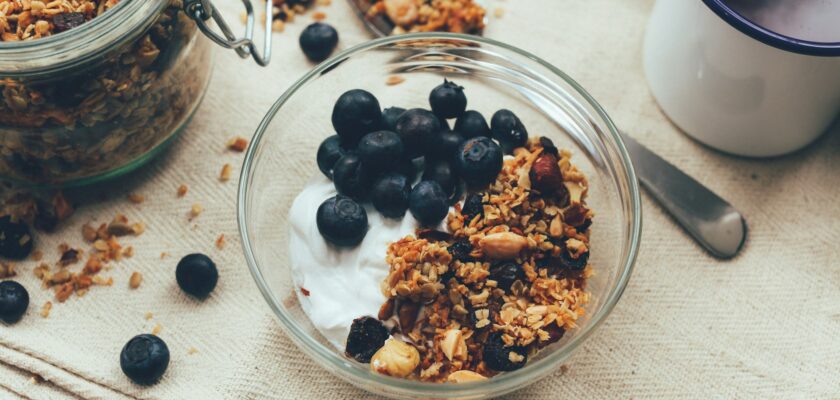
Instead, try plain Greek yogurt topped with fresh blueberries, strawberries, or a tablespoon of chopped nuts.
This combination provides protein, fiber, and healthy fats that can help create a satisfying morning meal.
People who are lactose intolerant may prefer lactose-free yogurt or another protein-rich alternative.
4. Berries: A Naturally Sweet Breakfast Addition
Blueberries, strawberries, raspberries, and blackberries can add natural sweetness to breakfast without the need for sugary syrups or jams.
These fruits provide fiber, vitamins, and plant compounds that contribute to a nutritious eating pattern.
Raspberries and blackberries are particularly useful choices for people seeking fiber-rich foods.
Unlike fruit juice, whole berries retain their natural fiber, which helps slow carbohydrate absorption.
The CDC notes that drinking fruit juice can raise blood sugar faster than eating whole fruit.
Try adding a moderate portion of berries to oatmeal, plain yogurt, or cottage cheese.
Frozen berries without added sugar are another convenient option and can often be more affordable than fresh varieties.
5. Avocado: Healthy Fats That Help Keep You Satisfied
Avocados provide monounsaturated fats, fiber, and potassium.
Because they are relatively low in digestible carbohydrates, they can fit well into a blood sugar-conscious breakfast.
A simple meal of mashed avocado on whole-grain toast offers a combination of fiber and healthy fats.
For additional protein, add a boiled egg or pair the toast with plain Greek yogurt.
Avocados are relatively calorie-dense, so a modest portion may be appropriate depending on your nutritional needs.
For adults who are also concerned about cardiovascular health, replacing foods high in saturated fat with sources of unsaturated fat can be a sensible dietary choice.
6. Nuts and Seeds: Small Foods With Valuable Nutrients
Almonds, walnuts, chia seeds, flaxseeds, and pumpkin seeds offer a convenient way to improve the nutritional value of breakfast.
Depending on the variety, they provide healthy fats, plant protein, fiber, and minerals such as magnesium.
Adding a tablespoon of ground flaxseed or chia seeds to yogurt can increase fiber without requiring much additional preparation.
A small handful of unsalted almonds can also be paired with fruit for a quick morning meal.
Nuts and seeds are nutritious but calorie-dense, making portion awareness important.
Choose unsalted or lightly salted versions whenever possible, particularly if you are also managing blood pressure.
7. Whole-Grain Toast: A Better Alternative to Refined Bread
Bread does not necessarily have to disappear from the breakfast table when someone is trying to improve blood sugar management.
The type of bread and the amount eaten make a difference.
Whole-grain breads generally contain more fiber than refined white breads. Fiber can slow digestion and help moderate the rise in blood sugar following a meal.
The CDC recommends choosing fiber-rich carbohydrates, including whole grains, rather than relying heavily on refined grains.
Look for bread that lists whole wheat or another whole grain among its first ingredients.
A slice topped with natural peanut butter, avocado, or an egg can provide a more balanced breakfast than plain white toast with sugary jam.
Remember that whole-grain bread still contains carbohydrates, so portions remain important.
8. Cottage Cheese: A Convenient High-Protein Choice
Cottage cheese is another practical food worth considering, particularly for older adults who want to maintain muscle strength while managing their weight.
It provides protein and can be enjoyed without cooking.
Try pairing plain cottage cheese with sliced strawberries, peaches, or a small serving of nuts.
For a savory alternative, add cucumber, tomatoes, and black pepper.
If you need to limit sodium, compare product labels and consider lower-sodium varieties.
Although cottage cheese is not everyone’s first thought for breakfast, it can be a nutritious and satisfying option.
Breakfast Foods That May Cause Larger Blood Sugar Spikes
Some traditional breakfast favorites can make blood sugar management more difficult, particularly when eaten in large portions or without protein and fiber.
Foods worth limiting include:
- Sugary breakfast cereals and sweetened granola
- Doughnuts, pastries, and oversized muffins
- White bread with sugary spreads
- Large servings of pancakes or waffles covered in syrup
- Sweetened coffee drinks
- Fruit juices and other sugar-sweetened beverages
These foods are not necessarily forbidden. However, many contain refined carbohydrates or added sugars that can raise blood sugar quickly.
The goal is to make nutritious foods the foundation of breakfast while enjoying sweeter options occasionally and in reasonable portions.
Five Easy Breakfast Combinations for Adults Over 50
Making healthier breakfast choices does not have to involve complicated recipes or expensive ingredients.
Here are five simple breakfast combinations that can help support a balanced diet throughout the week.
Monday: Protein-Packed Breakfast
Two scrambled eggs with spinach and one slice of whole-grain toast.
Tuesday: Yogurt and Berries
Plain Greek yogurt with blueberries and chopped walnuts.
Wednesday: Fiber-Rich Oatmeal
Plain oatmeal topped with cinnamon, chia seeds, and raspberries.
Thursday: Avocado and Egg Toast
Whole-grain toast topped with mashed avocado and a boiled egg.
Friday: Simple Cottage Cheese Bowl
Cottage cheese with strawberries and a small serving of almonds.
These combinations offer different ways to include protein, fiber, and other important nutrients. Adjust portions and carbohydrate amounts to your individual nutritional needs.
One Breakfast Habit That Could Make a Difference
Beyond choosing nutritious foods, paying attention to the balance of your breakfast may be especially helpful.
A meal consisting primarily of refined carbohydrates, such as white toast and sweetened coffee, may cause a faster rise in blood sugar than a breakfast containing protein, fiber, and healthy fats.
The CDC explains that eating carbohydrates alongside protein, fat, or fiber can slow how quickly blood sugar rises.
This is why simple combinations, such as eggs with whole-grain toast or Greek yogurt with berries, may be more beneficial than eating carbohydrates alone.
Consistency can also matter for people managing diabetes with medication. Skipping meals or making major changes to carbohydrate intake may increase the risk of low blood sugar in people taking insulin or certain diabetes medications.
Frequently Asked Questions
What is the best breakfast for someone over 50 with high blood sugar?
There is no single best breakfast for everyone. Eggs with vegetables, plain Greek yogurt with berries, or appropriately portioned oatmeal with nuts can all be suitable choices. The best option depends on your glucose response, medications, nutritional needs, and preferences.
Are bananas bad for blood sugar?
No. Bananas can be included in a healthy diet. However, they contain carbohydrates, and portion size matters. Pairing a portion of banana with peanut butter or plain yogurt can help create a more balanced meal.
Is oatmeal better than cereal?
Plain oatmeal is often a better choice than highly sweetened, low-fiber breakfast cereals. However, some unsweetened whole-grain cereals are also nutritious. Compare labels for fiber, added sugar, and total carbohydrates.
Should adults over 50 skip breakfast to lower blood sugar?
Not necessarily. Meal timing and fasting approaches affect individuals differently. People taking insulin or certain diabetes medications should consult their healthcare professional before routinely skipping meals.
What should I drink with breakfast?
Water, unsweetened tea, and coffee without added sugar are generally sensible options. Be mindful of flavored creamers, syrups, and sweetened beverages that can add substantial sugar.
The Bottom Line
Maintaining healthy blood sugar after age 50 does not require giving up every favorite food or following an overly restrictive diet.
Instead, small and consistent improvements to breakfast can support better nutrition and long-term health.
Choosing foods such as eggs, oatmeal, plain Greek yogurt, berries, avocado, nuts, and whole grains can help provide the protein, fiber, and healthy fats your body needs.
The most important thing is finding a balanced eating pattern that works for you and can be maintained over time.
If you have diabetes, prediabetes, or concerns about your blood sugar, talk with your healthcare provider about an individualized eating plan. Nutrition is an important part of blood sugar management, but it is not a replacement for prescribed medication or medical care.
A healthier morning can begin with something as simple as making a better choice at the breakfast table.
Medical Disclaimer: This article is for general educational purposes only and should not be considered medical advice, diagnosis, or treatment. Individuals with diabetes, kidney disease, or other medical conditions should consult a qualified healthcare professional before making significant dietary changes.

