
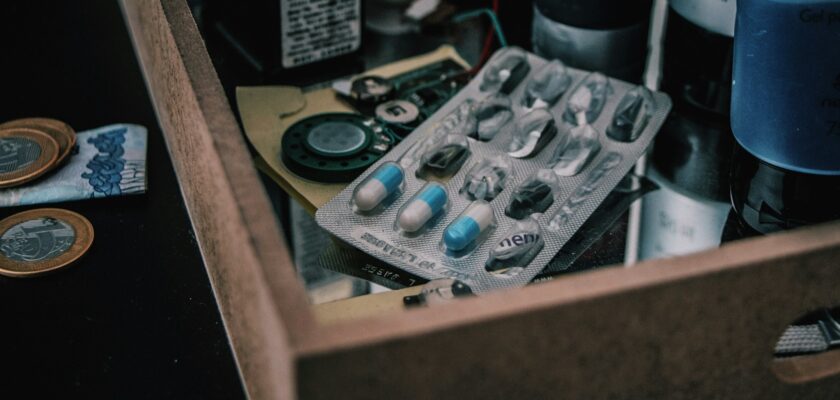
Most people open their medicine cabinet without giving it a second thought.
Inside are familiar items: pain relievers, allergy pills, cough syrup, heartburn tablets, and prescription medications. They seem harmless because they’re part of everyday life.
But what if one of those bottles is quietly putting your health in danger?
The truth is that many medications—both prescription and over-the-counter—can become hazardous when they are expired, mixed improperly, stored incorrectly, or taken without fully understanding the risks. For older adults especially, medication-related problems are one of the leading causes of emergency room visits.
If you haven’t checked your medicine cabinet recently, now is the time.
Why Your Medicine Cabinet May Be More Dangerous Than You Think
Millions of Americans keep medications long after they should be discarded. Others unknowingly combine drugs that can cause serious side effects.
Even common medications can lead to:
- Internal bleeding
- Liver damage
- Kidney problems
- Dangerous drops in blood pressure
- Severe allergic reactions
- Confusion and memory issues
- Falls and fractures
- Heart rhythm disturbances
The danger is often hidden because symptoms may develop slowly or be mistaken for normal aging.
1. Expired Medications May Lose Potency or Become Unsafe
Most people assume expired medicine is simply less effective. In many cases, that’s true—but some medications can break down and become unpredictable.
Medications You Should Never Ignore After Expiration
- Antibiotics
- Nitroglycerin
- Insulin
- Eye drops
- Liquid medications
- EpiPens
Why It Matters
Expired medications may:
- Fail to treat serious conditions
- Become contaminated
- Cause unexpected side effects
If you rely on medication for heart disease, diabetes, or allergies, using expired drugs can be dangerous.
2. Acetaminophen: The Silent Threat to Your Liver
Acetaminophen is one of the most commonly used pain relievers in America. It is found in products such as Tylenol and many cold and flu medications.
Hidden Risk
Taking too much acetaminophen can cause severe liver damage.
Many people accidentally exceed the safe daily limit by combining:
- Pain relievers
- Cold medicine
- Sleep aids
- Prescription drugs
Warning Signs of Liver Trouble
- Nausea
- Yellow skin or eyes
- Dark urine
- Severe fatigue
3. Ibuprofen and NSAIDs Can Cause Bleeding and Kidney Damage
Ibuprofen, Naproxen, and Aspirin are highly effective for pain, but long-term use carries significant risks.
Potential Side Effects
- Stomach ulcers
- Internal bleeding
- Increased blood pressure
- Kidney damage
- Heart complications
Higher Risk If You:
- Are over age 60
- Take blood thinners
- Have kidney disease
- Have a history of ulcers
4. Sleep Aids Can Increase Fall Risk
Over-the-counter sleep medications often contain antihistamines such as Diphenhydramine, found in Benadryl and many nighttime products.
Possible Dangers
- Dizziness
- Confusion
- Urinary retention
- Dry mouth
- Falls
These effects can be especially dangerous for seniors.
5. Heartburn Medicines May Affect Nutrient Absorption
Drugs such as Omeprazole and Esomeprazole are often used for acid reflux.
Long-Term Risks
- Vitamin B12 deficiency
- Low magnesium
- Bone fractures
- Increased infection risk
These medications can be very helpful, but they should be reviewed periodically with your doctor.
6. Old Antibiotics Can Be Ineffective
Keeping leftover antibiotics and taking them without medical guidance can be risky.
Problems With Old Antibiotics
- May not work properly
- Can worsen antibiotic resistance
- Might not match the current infection
Always finish antibiotics exactly as prescribed and never self-treat with leftovers.
7. Prescription Drug Interactions Can Be Dangerous
Many medications interact with each other, including:
- Blood pressure drugs
- Antidepressants
- Diabetes medications
- Blood thinners
- Herbal supplements
Common Symptoms of Drug Interactions
- Dizziness
- Confusion
- Rapid heartbeat
- Excessive bleeding
- Fainting
Even vitamins and natural remedies can interact with prescriptions.
8. Children’s Medicine Can Be Toxic to Adults and Pets
Liquid medications and flavored chewables may be attractive to children and animals.
Keep all medications:
- In child-resistant containers
- Out of reach
- Stored securely
Accidental poisoning remains a major household hazard.
9. Improper Storage Reduces Medication Effectiveness
Heat and humidity can damage medications.
Worst Places to Store Medicine
- Bathroom cabinets
- Near kitchen stoves
- In cars
- On sunny windowsills
Better Storage Options
- Cool, dry closets
- Bedroom drawers
- Dedicated medication organizers
10. Supplements Can Also Pose Hidden Risks
Many people assume supplements are automatically safe.
Common supplements such as:
- St. John’s Wort
- Ginkgo Biloba
- Vitamin E
may interact with prescription medications and increase bleeding risk or reduce medication effectiveness.
Warning Signs Your Medication May Be Causing Harm
Contact your healthcare provider if you experience:
- New dizziness
- Frequent falls
- Memory problems
- Unexplained bruising
- Stomach pain
- Nausea
- Irregular heartbeat
- Sudden fatigue
How to Make Your Medicine Cabinet Safer Today
1. Check Expiration Dates
Discard anything expired or no longer needed.
2. Review All Medications
Include prescriptions, over-the-counter drugs, vitamins, and supplements.
3. Avoid Duplicate Ingredients
Read labels carefully.
4. Store Medications Properly
Use cool, dry locations.
5. Ask Your Pharmacist
Pharmacists can identify interactions and safer alternatives.
6. Schedule a Medication Review
Bring every medication bottle to your next appointment.
Safe Disposal of Unused Medications
Do not flush medications unless instructions specifically say to do so.
Use:
- Community drug take-back programs
- Authorized pharmacy disposal kiosks
- FDA-approved disposal methods
Who Is Most at Risk?
Medication complications are more common in people who:
- Take five or more medications
- Are age 65 or older
- Have kidney or liver disease
- Use multiple doctors and pharmacies
- Take supplements regularly
The Bottom Line
The hidden danger in your medicine cabinet may be something you use every day.
A simple pain reliever, sleep aid, or expired prescription can quietly contribute to serious health problems if used incorrectly. Taking a few minutes to inspect your medications could help prevent dangerous side effects and even save your life.
Your medicine cabinet should protect your health—not threaten it.

