
Make sure to eat more of these foods.
Your heart and circulatory system are essential to your overall health, and what you eat plays a critical role in keeping them in top condition. A diet rich in specific foods can help reduce your risk of heart disease, improve circulation, and ensure that your cardiovascular system functions optimally throughout your life. Here’s a look at some of the best foods to nourish your heart and keep your blood flowing smoothly.
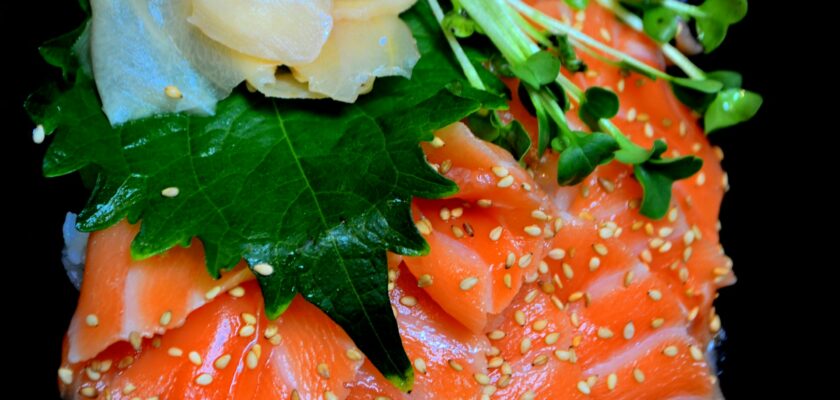
1. Fatty Fish (Salmon, Mackerel, Sardines, and Trout)
Fatty fish are some of the best foods for heart health. They are high in omega-3 fatty acids, which have been shown to reduce inflammation, lower blood pressure, and decrease triglycerides. Omega-3s also help prevent the buildup of plaque in the arteries, a condition that can lead to heart disease.
Key benefits:
- Reduce the risk of arrhythmias (irregular heartbeats)
- Lower levels of triglycerides
- Help prevent blood clots
- Support healthy blood vessels
How to enjoy them: Aim to eat fatty fish at least twice a week. Grilled, baked, or pan-seared fish is a great option, but avoid frying to preserve the omega-3s.
2. Leafy Greens (Spinach, Kale, Swiss Chard)
Leafy greens are packed with vitamins, minerals, and antioxidants that promote heart health. They are particularly high in vitamin K, which is essential for proper blood clotting, and also provide folate, a B-vitamin that helps lower levels of homocysteine (an amino acid associated with heart disease when present in high amounts).
Key benefits:
- Reduce blood pressure
- Improve arterial function
- Protect against oxidative stress and inflammation
How to enjoy them: Add leafy greens to salads, smoothies, soups, or use them as a base for wraps. Try to incorporate a variety of greens into your diet, rotating between spinach, kale, collard greens, and arugula.
3. Berries (Blueberries, Strawberries, Raspberries)
Berries are rich in antioxidants, especially anthocyanins, which give them their vibrant color. These antioxidants help fight inflammation, protect blood vessels, and improve blood flow. Berries have also been linked to improved cholesterol levels and reduced blood pressure.
Key benefits:
- Reduce oxidative stress
- Improve endothelial function (the health of the lining of your blood vessels)
- Lower cholesterol and blood pressure
How to enjoy them: Snack on fresh berries, toss them in yogurt or oatmeal, or blend them into smoothies. You can also freeze berries for use in smoothies or as a topping for salads and cereals.
4. Nuts (Almonds, Walnuts, Pistachios)
Nuts, particularly almonds, walnuts, and pistachios, are high in healthy fats, fiber, and antioxidants. Walnuts are especially heart-healthy because they are rich in omega-3 fatty acids, which help reduce inflammation and improve heart health. Almonds and pistachios are good sources of monounsaturated fats, which help lower bad cholesterol (LDL) levels while boosting good cholesterol (HDL).
Key benefits:
- Improve cholesterol levels
- Reduce inflammation
- Support healthy blood vessel function
How to enjoy them: A small handful of unsalted nuts makes a great snack, or you can add them to salads, yogurt, or baked goods. Just be mindful of portion sizes, as nuts are calorie-dense.
5. Avocados
Avocados are an excellent source of heart-healthy monounsaturated fats, which help lower levels of LDL cholesterol. They are also rich in potassium, a mineral that helps regulate blood pressure by balancing the effects of sodium. The fiber in avocados also supports healthy digestion and can help manage weight, further benefiting heart health.
Key benefits:
- Lower LDL cholesterol
- Improve blood pressure regulation
- Support healthy blood vessel function
How to enjoy them: Spread avocado on whole-grain toast, add it to salads, or blend it into smoothies. You can also use it as a creamy substitute for butter or mayonnaise in recipes.
6. Olive Oil
Olive oil, particularly extra virgin olive oil, is one of the healthiest fats you can consume. It’s a staple of the Mediterranean diet, which has been shown to reduce the risk of heart disease. Olive oil is rich in monounsaturated fats and antioxidants, such as polyphenols, which have anti-inflammatory properties and protect the cardiovascular system.
Key benefits:
- Reduce inflammation
- Improve cholesterol levels
- Support healthy blood circulation
How to enjoy it: Use olive oil for cooking or as a base for salad dressings. It’s also delicious when drizzled over vegetables, pasta, or roasted meats.
7. Whole Grains (Oats, Quinoa, Brown Rice)
Whole grains like oats, quinoa, and brown rice are high in fiber, which helps lower cholesterol levels and maintain healthy blood pressure. Oats, in particular, contain beta-glucan, a soluble fiber that has been shown to reduce LDL cholesterol and improve heart health.
Key benefits:
- Lower cholesterol levels
- Support blood sugar balance
- Promote healthy digestion
How to enjoy them: Start your day with a bowl of oatmeal, or swap refined grains for whole grains in dishes like rice, pasta, or baked goods. Quinoa also makes a great base for salads and bowls.
8. Beans and Legumes (Lentils, Chickpeas, Black Beans)
Beans and legumes are excellent sources of plant-based protein and fiber, both of which are beneficial for heart health. They help stabilize blood sugar, lower cholesterol levels, and reduce blood pressure. Regular consumption of beans and legumes is linked to a reduced risk of heart disease and stroke.
Key benefits:
- Lower blood pressure and cholesterol
- Stabilize blood sugar levels
- Provide plant-based protein
How to enjoy them: Add beans to salads, soups, stews, or chili. You can also mash beans to make spreads like hummus or add them to tacos or wraps.
9. Tomatoes
Tomatoes are rich in lycopene, an antioxidant that has been shown to improve heart health by reducing inflammation and oxidative stress. Lycopene also helps prevent the buildup of plaque in the arteries, reducing the risk of heart disease. Tomatoes are also a good source of potassium and vitamin C, both of which support heart health.
Key benefits:
- Protect against heart disease
- Lower blood pressure
- Reduce inflammation and oxidative stress
How to enjoy them: Fresh tomatoes are great in salads, salsas, or as a topping for sandwiches and burgers. Cooked tomatoes, such as in tomato sauce, can provide an even higher concentration of lycopene, making them great for pasta dishes or soups.
10. Dark Chocolate
Good news for chocolate lovers—dark chocolate (with at least 70% cocoa) has been shown to have cardiovascular benefits. It is rich in flavonoids, which help improve blood flow, lower blood pressure, and reduce the risk of heart disease. The antioxidants in dark chocolate also protect against oxidative stress, which can damage blood vessels.
Key benefits:
- Improve blood circulation
- Lower blood pressure
- Protect against heart disease
How to enjoy it: Opt for a small square or two of dark chocolate as a treat, or use it to top oatmeal or yogurt. Just be mindful of portion sizes, as it’s calorie-dense.
Conclusion
A heart-healthy diet doesn’t have to be restrictive—it’s about making smart food choices that support circulation, reduce inflammation, and promote the health of your blood vessels. Incorporating a variety of nutrient-dense foods such as fatty fish, leafy greens, berries, and healthy fats like olive oil and avocados can have a lasting positive impact on your cardiovascular health. When combined with regular exercise, adequate sleep, and stress management, these foods can help you maintain a healthy heart for years to come.
By making these heart-healthy foods a regular part of your diet, you’ll be taking important steps toward protecting your heart and circulation, ensuring a longer, healthier life.

