
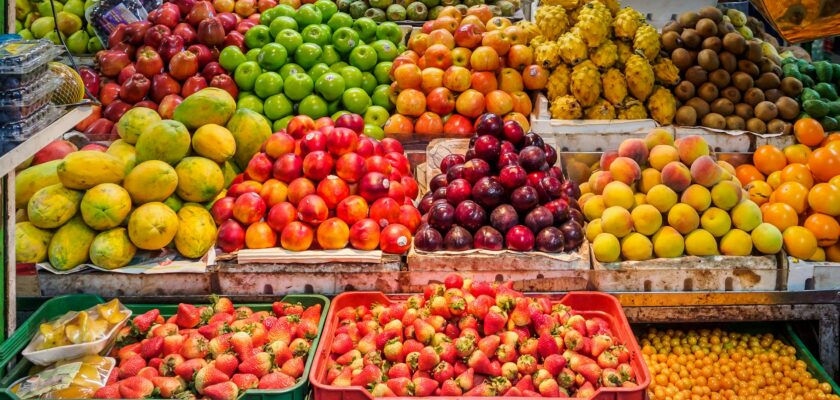
Eating clean is much more important than many Americans realize.
In the quest for fitness, many people prioritize exercise, hitting the gym, running, or engaging in various physical activities. While exercise is undeniably crucial for maintaining a healthy lifestyle, the importance of diet cannot be overstated. In fact, eating healthier can sometimes be more pivotal than exercise when it comes to staying fit and achieving long-term health goals.
Understanding the Role of Diet in Fitness
Healthy Diet: A healthy diet comprises nutrient-dense foods such as fruits, vegetables, whole grains, lean proteins, and healthy fats. These foods provide the essential vitamins, minerals, fiber, and proteins that the body needs to function optimally.
Unhealthy Diet: An unhealthy diet is often high in processed foods, sugars, unhealthy fats, and sodium. Common examples include fast food, sugary snacks, fried foods, and sodas. These foods are low in essential nutrients and high in empty calories.
Why Diet Matters More
- Nutrient Supply: A balanced diet provides the essential nutrients that exercise alone cannot. Vitamins, minerals, and antioxidants from healthy foods are crucial for the body’s repair processes, energy production, and overall functioning. Without these nutrients, the body cannot perform well, regardless of physical activity levels.
- Energy Levels: The food we eat directly affects our energy levels. Healthy carbohydrates from whole grains and fruits provide sustained energy, while proteins and fats are essential for muscle repair and long-term energy storage. Junk food, with its high sugar content, may give a quick energy spike but leads to crashes that can hinder physical performance and overall productivity.
- Weight Management: Diet plays a more significant role than exercise in weight management. Consuming nutrient-dense foods helps control calorie intake and promotes satiety, reducing the likelihood of overeating. In contrast, junk food can lead to excessive calorie intake without providing the necessary nutrients, resulting in weight gain and associated health issues.
- Chronic Disease Prevention: A healthy diet is key to preventing chronic diseases such as diabetes, heart disease, and certain cancers. Foods rich in antioxidants, fiber, and healthy fats help reduce inflammation, improve heart health, and maintain stable blood sugar levels. Exercise alone cannot fully offset the damage caused by a poor diet.
- Mental Health: Emerging research shows a strong link between diet and mental health. A diet rich in fruits, vegetables, whole grains, and healthy fats supports brain health and reduces the risk of depression and cognitive decline. Poor nutrition, on the other hand, can exacerbate mental health issues and reduce the benefits of exercise on mood and cognitive function.
- Digestive Health: The digestive system relies heavily on a healthy diet. Fiber-rich foods, such as fruits, vegetables, and whole grains, promote healthy digestion and prevent issues like constipation and bloating. A healthy gut microbiome, influenced by diet, also supports overall health and well-being.
The Synergy of Diet and Exercise
While a healthy diet can sometimes be more critical than exercise, the combination of both yields the best results. Exercise enhances cardiovascular health, builds and maintains muscle mass, improves flexibility, and boosts mood. When paired with a nutrient-rich diet, the benefits of exercise are maximized, leading to improved physical and mental health.
Practical Tips for a Healthier Diet
- Plan Your Meals: Prepare a weekly meal plan that focuses on nutrient-rich foods to avoid last-minute unhealthy choices.
- Cook at Home: Home-cooked meals allow control over ingredients and portion sizes, ensuring a balanced diet.
- Choose Whole Foods: Opt for whole, unprocessed foods such as fruits, vegetables, lean proteins, and whole grains over processed options.
- Stay Hydrated: Drink plenty of water and avoid sugary drinks. Proper hydration is essential for overall health and energy levels.
- Read Labels: Be mindful of food labels and choose products with fewer additives and more natural ingredients.
Conclusion
While exercise is a critical component of a healthy lifestyle, the importance of a healthy diet cannot be overlooked. Eating nutrient-dense foods provides the essential nutrients, sustained energy, and disease prevention that exercise alone cannot achieve. Prioritizing a healthy diet ensures that the body functions optimally, paving the way for better physical performance and overall well-being. By combining a balanced diet with regular exercise, individuals can achieve and maintain optimal health and fitness.

