
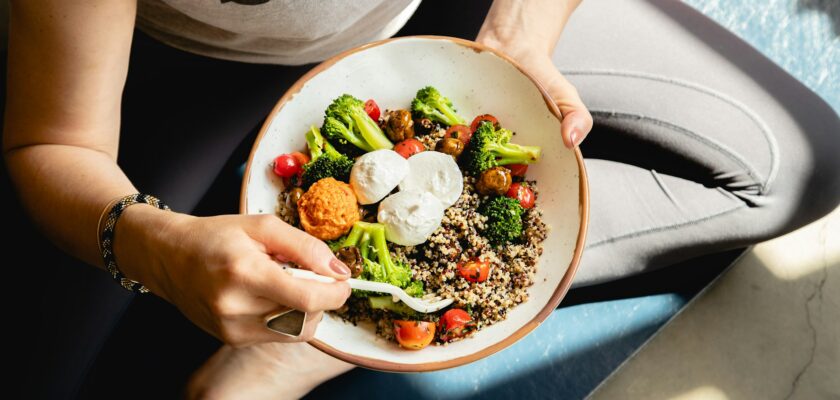
Digestive health can affect far more than what happens after a meal.
Your digestive system helps break down food, absorb nutrients, support regular bowel movements, and maintain a balanced community of gut bacteria.
As people get older, changes in diet, activity levels, medications, hydration, and other lifestyle factors may affect digestion. Fortunately, certain everyday foods can help support digestive health when they are part of a balanced diet.
Here are nine foods worth considering if you want to support a healthier digestive system.
1. Yogurt
Yogurt can be a useful addition to a digestion-friendly diet, particularly varieties that contain live and active cultures.
These beneficial bacteria, often called probiotics, may help support the natural balance of microorganisms in the digestive tract.
When shopping for yogurt, look for products labeled as containing live and active cultures. Plain or lower-sugar varieties can also help you avoid large amounts of added sugar.
Try adding yogurt to breakfast with berries, oats, or nuts for a simple, nutrient-rich meal.
2. Oatmeal
Oats are an excellent source of soluble fiber, including a type called beta-glucan.
Fiber helps support normal bowel movements and can provide nourishment for beneficial bacteria in the gut. Soluble fiber also absorbs water, creating a softer texture that may help food move more comfortably through the digestive system.
Oatmeal can be topped with fruit, cinnamon, nuts, or seeds for additional fiber and nutrients.
Increasing fiber gradually is usually more comfortable than suddenly eating much more than you are used to.
3. Apples
Apples provide both water and fiber, making them a convenient food for digestive health.
One important type of fiber found in apples is pectin. Pectin can act as a prebiotic, meaning it may help feed certain beneficial bacteria living in the gut.
Eating the peel provides more fiber than eating a peeled apple.
Apples are also easy to incorporate into meals. Slice them into oatmeal, pair them with peanut butter, or enjoy one as an afternoon snack.
4. Bananas
Bananas are often considered one of the more convenient foods for people looking for a gentle source of carbohydrates and fiber.
They also provide potassium, an important mineral involved in fluid balance, muscle function, and nerve function.
Less-ripe bananas contain more resistant starch, which can reach the large intestine and serve as food for certain gut bacteria. As bananas ripen, more of that starch is converted into sugar.
Bananas can be eaten on their own or added to smoothies, cereal, oatmeal, or yogurt.
5. Beans
Beans are among the richest everyday sources of dietary fiber.
Black beans, kidney beans, chickpeas, lentils, and other legumes contain a combination of soluble and insoluble fiber that can help support regularity and digestive health.
They also provide plant-based protein and several important vitamins and minerals.
There is one catch: beans may cause temporary gas or bloating, particularly if you are not accustomed to eating much fiber.
Start with smaller portions and increase your intake gradually. Drinking enough water can also help your digestive system adjust.
6. Leafy Green Vegetables
Vegetables such as spinach, kale, collard greens, and Swiss chard provide fiber along with vitamins, minerals, and naturally occurring plant compounds.
Fiber adds bulk to stool and helps support normal movement through the digestive tract.
Leafy greens are easy to add to soups, salads, omelets, sandwiches, or cooked side dishes.
For people who find raw vegetables difficult to digest, lightly steaming or sautéing greens may make them more comfortable to eat.
7. Berries
Strawberries, blueberries, raspberries, and blackberries provide fiber, water, vitamins, and antioxidant plant compounds.
Raspberries and blackberries are particularly notable for their fiber content.
Berries can make a simple addition to breakfast or snacks without requiring much preparation.
Try combining berries with oatmeal or yogurt to create a meal containing both fiber and other gut-friendly nutrients.
8. Sauerkraut
Traditionally fermented sauerkraut can contain beneficial microorganisms that may support gut health.
However, not all sauerkraut sold in stores contains live cultures. Heat-treated or pasteurized products may no longer contain significant amounts of live bacteria.
If probiotics are your goal, check the label for phrases such as unpasteurized, raw, or contains live cultures.
Sauerkraut can also be relatively high in sodium, so portion size may be important for people who have been advised to limit salt.
9. Prunes
Prunes have long been associated with digestive regularity for good reason.
They provide dietary fiber as well as sorbitol, a naturally occurring sugar alcohol that can draw water into the digestive tract.
For some people, eating a few prunes may help support regular bowel movements.
Because large quantities can sometimes cause gas, cramping, or loose stools, it may be better to begin with a small serving.
Don’t Forget About Water
Eating more fiber without drinking enough fluid can sometimes make digestive discomfort worse.
Water helps fiber do its job and supports normal stool consistency.
Individual fluid needs vary based on body size, activity, climate, medications, and medical conditions. Water, soups, fruits, vegetables, and other beverages can all contribute to daily fluid intake.
People with heart, kidney, or other conditions that require fluid restrictions should follow the advice of their healthcare professional.
Other Simple Ways to Support Digestion
Food is only part of the picture. Daily habits can also have a significant impact on digestive comfort.
Regular physical activity can help support normal bowel function. Eating meals slowly and chewing food thoroughly may also reduce digestive discomfort for some people.
It can also help to increase fiber gradually rather than making a dramatic dietary change overnight.
Keeping track of foods that repeatedly cause bloating, discomfort, diarrhea, or constipation may help identify patterns worth discussing with a healthcare professional.
When Digestive Problems Should Be Checked
Occasional gas, bloating, or changes in bowel habits are common. Persistent or severe symptoms deserve medical attention.
Talk with a healthcare professional if you experience ongoing abdominal pain, persistent diarrhea or constipation, unexplained weight loss, blood in your stool, black stools, repeated vomiting, difficulty swallowing, or a significant unexplained change in bowel habits.
These symptoms can have many causes, and proper evaluation is important.
The Bottom Line
A healthier digestive system does not require expensive supplements or complicated meal plans.
Foods including yogurt, oatmeal, apples, bananas, beans, leafy greens, berries, fermented sauerkraut, and prunes can provide fiber, beneficial bacteria, prebiotics, and other nutrients that help support normal digestive function.
The most important approach is consistency. Eating a varied diet rich in whole foods, getting enough fiber, staying adequately hydrated, and remaining physically active can all contribute to better digestive health over time.
Frequently Asked Questions
What foods are best for healthy digestion?
Fiber-rich foods such as oats, beans, fruits, vegetables, and prunes can support normal bowel function. Fermented foods containing live cultures may also support a healthy gut microbiome.
What foods can help with regular bowel movements?
Prunes, oatmeal, beans, berries, fruits, vegetables, and other fiber-rich foods may help promote regularity. Adequate hydration is also important.
Are probiotics good for digestion?
Probiotics are beneficial microorganisms that may support digestive and gut health. They are found in certain fermented foods, including some yogurts, kefir, sauerkraut, and other fermented products.
How much fiber should you eat?
Fiber needs vary by age, sex, and individual health needs. Rather than dramatically increasing fiber all at once, gradually adding more fruits, vegetables, whole grains, legumes, nuts, and seeds is often easier on the digestive system.
Can changing your diet improve digestion?
Diet can influence digestion, but everyone responds differently. Persistent digestive symptoms should not automatically be blamed on food and may need evaluation by a healthcare professional.
This article is for general informational purposes and is not a substitute for personalized medical advice, diagnosis, or treatment.

