
Inflammation is one of the body’s most important defense mechanisms.
When you suffer an injury or encounter an infection, inflammation helps the immune system respond and begin the healing process.
But inflammation can become a concern when it persists for long periods. Known as chronic inflammation, this ongoing immune response has been associated with a range of health problems, including heart disease, type 2 diabetes, arthritis and other chronic conditions.
The encouraging news is that everyday food choices may play a role in keeping inflammation under control. There is no single food that can eliminate chronic inflammation, and diet should never be viewed as a replacement for medical treatment. However, experts at Harvard and Johns Hopkins recommend eating patterns rich in fruits, vegetables, whole grains, healthy fats and other minimally processed foods.
Here are nine foods that may help support a healthy inflammatory response naturally — and most can easily be added to meals you already enjoy.
1. Blueberries and Other Berries
Blueberries may be small, but they pack an impressive nutritional punch.
Blueberries, strawberries, blackberries and raspberries contain plant compounds known as anthocyanins. These antioxidants are responsible for many of the deep red, blue and purple colors found in berries.
Research has associated anthocyanins with anti-inflammatory effects, while berries also provide vitamins and dietary fiber.
One of the biggest advantages of berries is how easy they are to eat. Fresh or frozen berries can be added to oatmeal, plain yogurt or smoothies, or simply enjoyed by themselves.
Frozen berries can also be an economical option because they keep much longer than fresh fruit.
Easy idea: Add a handful of blueberries to your morning oatmeal instead of sweetening it with brown sugar or syrup.
2. Salmon and Other Fatty Fish
Fatty fish is frequently recommended as part of a heart-healthy and anti-inflammatory eating pattern.
Salmon, sardines, tuna, herring and mackerel provide omega-3 fatty acids, particularly EPA and DHA. These fats are important for normal health, and fatty fish is one of the primary dietary sources.
Harvard Health notes that eating fatty fish has been associated in some research with lower levels of C-reactive protein, a marker used to measure inflammation in the body.
Fish doesn’t have to be complicated or expensive, either. Canned salmon, sardines and tuna can provide convenient options for quick lunches and dinners.
Try serving baked salmon alongside vegetables, adding canned salmon to a salad or using tuna with whole-grain crackers.
3. Extra-Virgin Olive Oil
Replacing certain saturated fats with healthier unsaturated fats can be a simple way to improve the overall quality of your diet.
Extra-virgin olive oil is a cornerstone of the Mediterranean-style diet and contains beneficial plant compounds known as polyphenols.
Johns Hopkins includes olive oil and other polyphenol-rich foods among the foods emphasized in an anti-inflammatory eating pattern.
It can also be surprisingly easy to use.
Drizzle olive oil over vegetables, use it as the base for homemade salad dressing or substitute it for butter in appropriate dishes.
The important point isn’t to simply add large quantities of oil to your diet. Instead, think about replacement — using olive oil in place of less nutritious sources of fat when practical.
4. Spinach and Other Leafy Green Vegetables
There is a good reason health experts have been telling Americans to eat their greens for generations.
Spinach, kale, collard greens, Swiss chard and other dark leafy vegetables provide a combination of vitamins, minerals, fiber and beneficial plant compounds.
Harvard Health specifically identifies leafy greens as foods that can support efforts to keep inflammation under control. Spinach, for example, provides vitamins and phytochemicals and has been associated with several potential health benefits.
Fortunately, you don’t have to eat enormous salads every day to get more greens.
Spinach can be stirred into scrambled eggs, soups and pasta dishes. Kale can be added to soups or sautéed as a side dish. Collard greens can make a hearty accompaniment to chicken, beans or fish.
Even modest changes can increase your vegetable intake considerably over time.
5. Walnuts
If you’re searching for a convenient snack with nutritional benefits, walnuts deserve consideration.
Walnuts contain unsaturated fats, fiber and plant-based omega-3 fatty acids. Harvard notes that walnuts, flaxseeds, chia seeds and hemp seeds are among the plant foods that provide omega-3s.
Nuts and seeds can also support a healthy gut because of their fiber and nutrient content.
Walnuts are easy to incorporate into everyday meals. Sprinkle them over oatmeal or salads, mix them into plain yogurt or enjoy a small portion as a snack.
Because nuts are calorie-dense, portion size still matters. A little can go a long way.
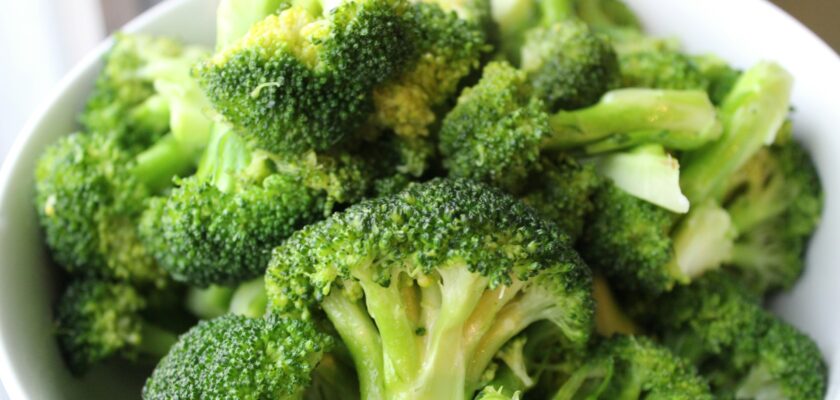
6. Broccoli
Broccoli is another vegetable worth putting on your grocery list.
Like cauliflower, cabbage and Brussels sprouts, broccoli belongs to the cruciferous vegetable family. These vegetables contain fiber, vitamins, minerals and a variety of naturally occurring plant compounds.
Vegetable-rich diets are consistently recommended as part of an anti-inflammatory eating pattern. Harvard’s Nutrition Source emphasizes eating a variety of vegetables rather than relying on one supposedly miraculous ingredient.
Broccoli is also inexpensive, widely available and simple to prepare.
Try roasting broccoli with a small amount of olive oil, steaming it as a side dish or adding it to soups and casseroles.
Frozen broccoli is perfectly useful, too, making this one anti-inflammatory-friendly food that can remain in your freezer year-round.
7. Tomatoes
Tomatoes are another familiar food that can contribute to a nutrient-rich diet.
They provide vitamin C, potassium and lycopene, a plant pigment responsible for their familiar red color.
Rather than worrying about whether fresh or cooked tomatoes are “better,” focus on including tomatoes as part of a varied diet. Fresh tomatoes work well in salads and sandwiches, while canned tomatoes make an inexpensive base for soups, sauces and stews.
One simple meal could combine several foods on this list: tomatoes, leafy vegetables, beans and extra-virgin olive oil.
That’s an important point because nutrition experts generally recommend focusing on your overall eating pattern, rather than expecting one individual food to dramatically change your health.
8. Turmeric
Turmeric has received considerable attention in recent years because it contains curcumin, a naturally occurring compound studied for its potential anti-inflammatory properties.
But turmeric doesn’t need to come from an expensive supplement bottle.
The spice has been used in cooking for centuries and can add flavor and color to soups, vegetables, rice, eggs, chicken and other dishes.
Harvard Health includes turmeric among foods containing polyphenols and other compounds associated with anti-inflammatory properties.
It’s important, however, to keep expectations realistic. Adding turmeric to dinner isn’t a treatment for arthritis or another inflammatory disease.
Think of spices such as turmeric as one small part of a broader healthy diet rather than a miracle cure.
Anyone considering concentrated turmeric or curcumin supplements should discuss them with a healthcare professional, particularly if they take prescription medications.
9. Beans
Beans don’t receive the attention of trendy “superfoods,” but nutritionally, they have plenty to offer.
Black beans, kidney beans, chickpeas, lentils and other legumes provide fiber, plant protein, vitamins and minerals.
Fiber is especially valuable because it helps support beneficial bacteria living in the digestive system. Gut health and inflammation appear to be connected, which is one reason experts recommend fiber-rich foods as part of an anti-inflammatory eating pattern.
Beans are also affordable and shelf-stable.
Add black beans to salads, lentils to soup or chickpeas to vegetable dishes. Canned beans are convenient; choosing lower-sodium varieties or rinsing regular canned beans can help reduce sodium intake.
What Foods Should You Limit?
Adding nutritious foods is only half of the equation. What you eat less frequently can matter as well.
Johns Hopkins recommends limiting foods that can contribute to an inflammatory dietary pattern, including processed meats, deep-fried foods, refined carbohydrates, foods high in added sugar and sugar-sweetened beverages.
That doesn’t necessarily mean you can never enjoy a dessert, hamburger or order of fries again.
A more practical strategy is to make whole or minimally processed foods the foundation of most meals while treating highly processed foods as occasional choices.
For example, you might replace sugary cereal with oatmeal and berries, substitute a handful of walnuts for chips, or serve baked fish and vegetables instead of fried food.
Small substitutions can become significant improvements when repeated week after week.
The Bigger Picture: Don’t Look for a Miracle Food
The term “superfood” makes for an appealing headline, but the human body doesn’t work that simply.
No blueberry, spice, vegetable or supplement can single-handedly eliminate chronic inflammation.
Instead, evidence supports an overall dietary pattern built around vegetables, fruits, legumes, whole grains, nuts, fish and healthy unsaturated fats. The Mediterranean-style diet is one prominent example of this approach.
In other words, you don’t need an expensive cleanse, complicated meal program or cabinet full of supplements.
A grocery cart containing salmon, beans, leafy greens, berries, broccoli, tomatoes, walnuts and olive oil is a reasonable place to start.
Bottom Line
Inflammation is a normal and necessary part of the body’s defense system, but persistent chronic inflammation can contribute to long-term health problems.
Diet is only one part of the picture, yet consistently choosing nutrient-rich foods may help support the body’s normal inflammatory response and overall health.
The nine foods worth remembering are:
- Berries
- Fatty fish
- Extra-virgin olive oil
- Leafy green vegetables
- Walnuts
- Broccoli
- Tomatoes
- Turmeric
- Beans
The goal isn’t perfection. It’s creating an eating pattern you can realistically maintain.
Replacing highly processed foods with colorful vegetables, fruit, fiber-rich foods, healthy fats and quality protein — one meal at a time — may be one of the simplest ways to support better health for years to come.
This article is for general informational purposes only and is not intended to diagnose, treat, cure or prevent any medical condition. People with chronic health conditions, food allergies or dietary restrictions, or those taking prescription medications, should consult a qualified healthcare professional before making significant dietary changes.

