
Many Americans are consuming far more sodium than they realize, and some of the biggest sources may be sitting in their refrigerators and kitchen cabinets right now.
While most people associate excessive sodium with salty snacks, french fries, and fast food, many everyday foods contain surprisingly large amounts of this mineral. Even products marketed as healthy, convenient, or low in fat can contribute significant sodium to your daily diet.
According to the Centers for Disease Control and Prevention (CDC), Americans consume more than 3,300 milligrams of sodium daily on average. That exceeds the recommended limit of less than 2,300 milligrams per day for most adults.
Health experts warn that consistently eating too much sodium can increase blood pressure, putting additional strain on the heart and blood vessels. Over time, high blood pressure can increase the risk of heart disease and stroke.
The good news is that reducing sodium doesn’t necessarily mean giving up your favorite meals. Knowing which foods contain hidden sodium can help you make healthier choices without sacrificing flavor.
Here are eight common foods that may contain more sodium than you expect.
1. Bread and Rolls
Bread may not taste particularly salty, but it can be a significant source of sodium in the American diet.
Many commercially produced breads contain added salt to improve flavor, support the baking process, and maintain consistency.
A single slice might not contain an alarming amount of sodium. However, eating toast for breakfast, a sandwich at lunch, and a dinner roll in the evening can quickly increase your daily intake.
Whole wheat and multigrain breads aren’t automatically low in sodium, either. Although they may provide more fiber than refined white bread, their sodium content can still vary considerably.
Healthier choice: Compare Nutrition Facts labels and choose lower-sodium bread whenever possible. Whole-grain products that provide fiber without excessive sodium can be a particularly useful option.
2. Cottage Cheese
Cottage cheese has long been considered a nutritious option for people looking to increase protein consumption.
It’s commonly eaten for breakfast, added to salads, or enjoyed as a snack. However, many varieties contain substantial amounts of sodium.
Salt plays an important role in cottage cheese production, contributing to flavor and preservation.
As a result, a food that seems like a healthy, protein-rich choice can also add considerable sodium to your daily meals.
This doesn’t mean cottage cheese should be avoided entirely. It provides protein and other nutrients, but checking the sodium content is important, particularly for people managing high blood pressure.
Healthier choice: Look for reduced-sodium or no-salt-added cottage cheese. Plain Greek yogurt may also work as a lower-sodium substitute in certain recipes, depending on the product.
3. Canned Soups
A warm bowl of soup can seem like an excellent choice for a light lunch or dinner.
Unfortunately, many canned soups contain surprisingly high amounts of sodium, even when they include vegetables, beans, or lean proteins.
Manufacturers frequently use salt to enhance flavor and maintain product quality.
The sodium content becomes especially important when considering serving sizes. Some cans contain more than one serving, meaning eating the entire container could provide substantially more sodium than the amount listed for a single serving.
Cream-based soups, chicken noodle soup, and certain vegetable soups can all contain significant sodium, depending on the brand and recipe.
Healthier choice: Select soups labeled “low sodium” or “no salt added.” Homemade soups prepared with unsalted broth, vegetables, and herbs allow greater control over sodium intake.
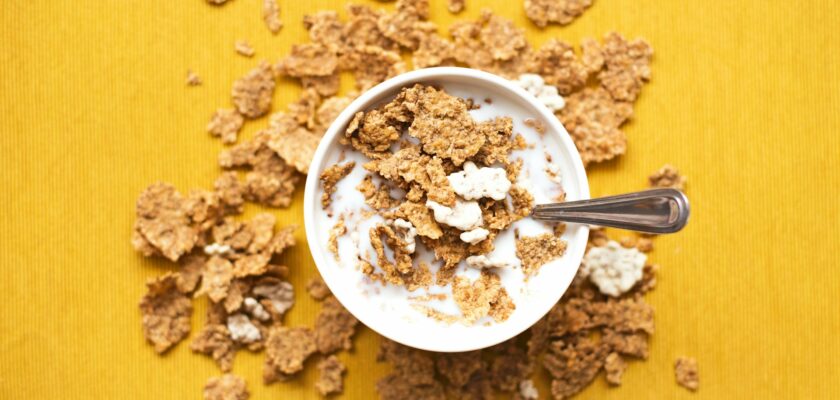
4. Breakfast Cereals
Breakfast cereal might be one of the last foods people think about when considering sodium.
After all, many popular cereals taste sweet rather than salty.
However, sodium can be added during manufacturing for flavor, texture, and other purposes.
Some ready-to-eat cereals contain meaningful amounts of sodium per serving, particularly when consumed in larger portions.
Eating cereal every morning can make those amounts add up over time.
Even cereals advertised as whole grain or fortified with vitamins aren’t necessarily low in sodium.
Healthier choice: Look for cereals with lower sodium, minimal added sugar, and adequate fiber. Plain oatmeal prepared without added salt is another option that allows you to control the ingredients.
5. Deli Meats
Turkey, ham, roast beef, and other sliced lunch meats are convenient staples in American households.
Unfortunately, processed deli meats can contain substantial sodium because salt is commonly used in curing, seasoning, and preservation.
Even turkey breast marketed as lean or lower in fat may contain considerably more sodium than freshly cooked turkey.
A typical sandwich can become particularly sodium-heavy when deli meat is combined with bread, cheese, condiments, and pickles.
People who eat sandwiches regularly may be consuming significant sodium without realizing it.
Healthier choice: Consider freshly cooked chicken or turkey instead of processed lunch meat. If purchasing deli meats, compare sodium levels and look for lower-sodium varieties.
6. Salad Dressings
Salads are often associated with healthy eating, but the dressing can change the nutritional profile considerably.
Many bottled dressings contain added sodium to improve flavor and extend shelf life.
Ranch, Caesar, Italian, and other popular dressings can contain noticeable amounts of sodium, even in relatively small servings.
Another concern is portion size.
A person may pour several tablespoons of dressing onto a salad without realizing that the label’s sodium amount applies to a much smaller serving.
Fat-free dressings aren’t necessarily lower in sodium, either. Some manufacturers adjust other ingredients to maintain taste after removing fat.
Healthier choice: Try making a dressing with olive oil, vinegar, lemon juice, garlic, and herbs. When buying bottled dressing, compare labels and measure portions rather than pouring directly from the bottle.
7. Frozen Meals
Frozen dinners provide convenience for busy families and individuals who don’t have time to prepare elaborate meals.
However, some frozen entrees contain large amounts of sodium.
Manufacturers may use sodium-containing ingredients to enhance flavor and maintain product quality during processing and storage.
Frozen pasta dishes, casseroles, pizzas, and meat-based entrees can be especially high in sodium.
Even products advertised as low-calorie or diet-friendly may contain substantial amounts.
It’s important to remember that calorie content and sodium content measure completely different things. A meal that is relatively low in calories can still be high in sodium.
Healthier choice: Compare frozen meals and choose options with lower sodium content. Look for meals that include vegetables, whole grains, and lean proteins. Preparing and freezing homemade portions can also help reduce reliance on highly processed meals.
8. Sauces and Condiments
Ketchup, barbecue sauce, soy sauce, pasta sauce, and other popular condiments can contribute more sodium to meals than many people expect.
Soy sauce is particularly concentrated in sodium, but other sauces can also contain substantial amounts depending on the recipe and serving size.
Prepared pasta sauces can be another overlooked source, especially when combined with salted pasta water, cheese, or processed meats.
Condiments are often used without measuring, making it easy to consume multiple servings.
A small amount added to one meal might not seem significant, but several sauces and condiments throughout the day can contribute meaningful sodium.
Healthier choice: Choose reduced-sodium condiments, use smaller portions, and season meals with garlic, onion, citrus, vinegar, or salt-free herbs and spices.
How Much Sodium Is Too Much?
The U.S. Food and Drug Administration uses 2,300 milligrams as the Daily Value for sodium on Nutrition Facts labels.
The American Heart Association recommends an ideal limit of no more than 1,500 milligrams daily for most adults, particularly as part of efforts to support cardiovascular health. Individual sodium needs may differ based on medical conditions and professional guidance.
To put those amounts into perspective, one teaspoon of ordinary table salt contains approximately 2,400 milligrams of sodium.
But most Americans aren’t getting the majority of their sodium from the saltshaker.
The CDC reports that packaged, processed, and restaurant foods account for most dietary sodium. That’s why simply avoiding additional table salt may not be enough to bring intake within recommended levels.
Simple Ways to Reduce Sodium Without Giving Up Flavor
Fortunately, small changes to everyday eating habits can help make a difference.
- Read food labels carefully. The FDA considers 5% of the Daily Value or less per serving low in sodium, while 20% or more is considered high.
- Cook more meals at home. Preparing meals from basic ingredients gives you greater control over added salt.
- Choose fresh foods more often. Fresh fruits, vegetables, and unprocessed foods can help reduce reliance on sodium-heavy packaged products.
- Use herbs and spices. Garlic, pepper, rosemary, oregano, and lemon juice can enhance flavors without adding sodium.
- Pay attention to serving sizes. Eating two servings means consuming twice the sodium listed for one serving.
- Compare similar products. Sodium levels can vary significantly among brands, even for foods that appear nearly identical.
Gradually reducing sodium may also make lower-sodium foods more enjoyable as your taste preferences adjust.
Why Sodium Intake Becomes Especially Important With Age
Maintaining healthy blood pressure is important throughout adulthood, but it often becomes an even greater concern as people get older.
The risk of high blood pressure increases with age, and cardiovascular health plays a major role in long-term well-being.
Excessive sodium intake can contribute to elevated blood pressure, potentially increasing the risk of heart attacks, strokes, and other cardiovascular complications.
For older adults already managing hypertension, heart failure, or kidney disease, monitoring sodium intake may be especially important.
However, extremely restrictive diets aren’t appropriate for everyone. People taking certain medications or managing chronic medical conditions should discuss their sodium targets with a qualified healthcare professional.
The goal is not necessarily to eliminate sodium, which the body needs for normal nerve and muscle function, but to avoid consistently consuming excessive amounts.
The Bottom Line
Reducing sodium doesn’t have to involve complicated diets or dramatic lifestyle changes.
Often, the most effective first step is simply recognizing that many familiar foods contain more sodium than expected.
Bread, cottage cheese, canned soups, breakfast cereals, deli meats, salad dressings, frozen meals, and everyday condiments can all contribute to excessive intake.
By comparing nutrition labels, preparing more meals at home, and choosing lower-sodium alternatives, Americans can take practical steps toward supporting healthier blood pressure and long-term cardiovascular wellness.
The most important lesson is simple: Just because a food doesn’t taste salty doesn’t mean it’s low in sodium.
Understanding what’s in your food can make it easier to protect your health, one meal at a time.

