
Keeping cholesterol levels in a healthy range is an important part of protecting your heart as you get older.
While genetics, physical activity, body weight, smoking, medications, and other health factors can all play a role, the foods you eat may also make a meaningful difference.
The good news is that supporting heart health doesn’t necessarily require expensive supplements or a complicated diet. Many familiar foods found at an ordinary grocery store contain soluble fiber, unsaturated fats, antioxidants, and other nutrients associated with cardiovascular health.
Here are eight everyday foods worth considering as part of a balanced, heart-conscious diet.
1. Oatmeal
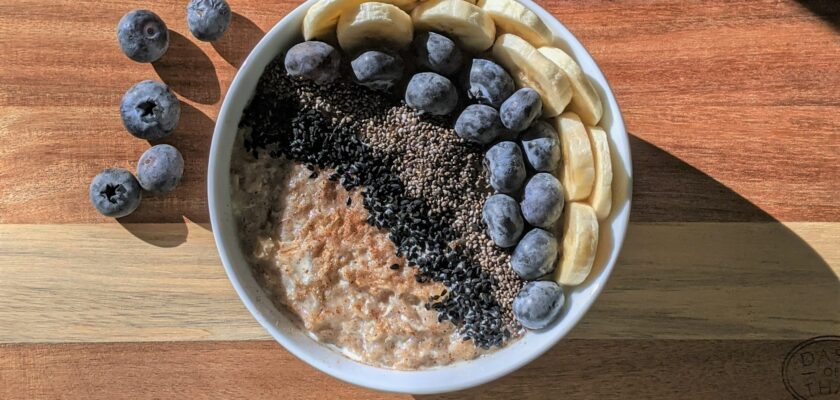
A warm bowl of oatmeal may be one of the simplest ways to add more heart-friendly fiber to your morning.
Oats contain beta-glucan, a type of soluble fiber. Soluble fiber can help reduce the absorption of cholesterol into the bloodstream, making oats a popular choice for people trying to maintain healthier cholesterol levels.
Instead of heavily sweetened instant oatmeal, consider plain rolled or steel-cut oats. Fresh berries, sliced apples, cinnamon, or a small amount of nuts can add flavor without turning breakfast into a sugar-heavy meal.
Simple idea: Replace a breakfast high in saturated fat with oatmeal topped with fruit and walnuts.
2. Beans
Black beans, kidney beans, chickpeas, lentils, and other legumes can be valuable additions to a heart-healthy eating pattern.
Beans provide substantial amounts of soluble fiber while also supplying plant-based protein. Because fiber-rich foods tend to be filling, beans may also make it easier to build satisfying meals without relying as heavily on foods high in saturated fat.
They are surprisingly easy to incorporate into everyday meals. Add beans to soups, salads, chili, tacos, or casseroles, or serve them as a side dish.
If you purchase canned beans, checking the sodium content and rinsing them before eating can be helpful.
3. Apples
The old saying about an apple a day may be overly simplistic, but apples still have plenty going for them nutritionally.
Apples contain pectin, a form of soluble fiber. They also provide plant compounds known as polyphenols.
For the greatest fiber benefit, eat the apple with its skin rather than drinking apple juice. Whole fruit generally provides more fiber and can be more filling than juice.
Apples are also inexpensive, widely available, and easy to take on the go, making them a practical heart-conscious snack.
4. Walnuts
Not all dietary fats affect the body in the same way.
Walnuts contain predominantly unsaturated fats, including plant-based omega-3 fatty acids. Replacing foods high in saturated fat with foods containing unsaturated fats can be beneficial for cholesterol and cardiovascular health.
Portion size still matters because nuts are calorie-dense. A small handful may be enough for a snack.
Walnuts can also be sprinkled over oatmeal, yogurt, salads, or vegetables to add crunch and healthy fats.
Other nuts, including almonds and pistachios, can also fit into a heart-healthy diet.
5. Avocados
Avocados have become popular for good reason. In addition to fiber and several important nutrients, they are rich in monounsaturated fat.
When foods containing monounsaturated and polyunsaturated fats replace foods high in saturated fat, the substitution can support healthier LDL cholesterol levels.
Try sliced avocado on whole-grain toast, add it to a salad, or use mashed avocado in place of some spreads that contain larger amounts of saturated fat.
The key is replacement rather than simply addition. Adding calorie-dense foods to an already sufficient diet isn’t necessarily beneficial just because those foods contain healthy fats.
6. Olive Oil
Olive oil is another familiar source of monounsaturated fat and is a staple of Mediterranean-style eating patterns.
It can be used in salad dressings, drizzled over vegetables, or substituted for butter and other fats in appropriate recipes.
Again, the biggest advantage generally comes from what olive oil replaces. Swapping some sources of saturated fat for unsaturated fats can be a more useful strategy than simply adding additional oil to meals.
You don’t need enormous amounts. A modest serving can go a long way.
7. Fatty Fish
Fish such as salmon, sardines, trout, and mackerel provide omega-3 fatty acids.
Omega-3 fats are particularly known for their effects on triglycerides and overall cardiovascular health. Fish can also serve as an alternative to meats that may contain larger amounts of saturated fat.
Preparation makes a difference. Baking, grilling, or broiling fish is generally a more heart-conscious choice than deep-frying it.
For many adults, incorporating fish into meals regularly can be part of an overall healthy eating pattern.
8. Berries
Strawberries, blueberries, raspberries, and blackberries pack a considerable amount of nutrition into a relatively small serving.
Depending on the variety, berries provide fiber along with vitamins and antioxidant plant compounds. Raspberries and blackberries are particularly notable for their fiber content.
Berries can be eaten on their own or added to oatmeal, plain yogurt, or other whole-grain foods.
Frozen berries can also be a convenient option. Just check the ingredient list for products without large amounts of added sugar.
What About LDL and HDL Cholesterol?
When discussing cholesterol, two terms frequently come up: LDL and HDL.
LDL cholesterol is sometimes called “bad” cholesterol because elevated levels can contribute to plaque buildup in the arteries. HDL is commonly called “good” cholesterol because it helps transport cholesterol back to the liver.
However, cholesterol and cardiovascular risk are more complicated than simply labeling one number good and another bad. Triglycerides, blood pressure, blood sugar, smoking, family history, age, and other factors can all influence a person’s overall cardiovascular risk.
That’s one reason regular medical checkups and appropriate blood testing remain important.
Foods to Consider Limiting
Adding nutritious foods is only one part of the equation.
For people concerned about LDL cholesterol, paying attention to saturated fat can be particularly important. Depending on a person’s overall diet, common sources may include fatty and processed meats, butter, full-fat dairy products, and certain baked or highly processed foods.
Trans fats are another concern, although artificial trans fats have been largely removed from the U.S. food supply.
Rather than attempting to eliminate all dietary fat, a more practical approach is often to replace some saturated fats with unsaturated fats from foods such as fish, nuts, seeds, avocado, and olive oil.
Small Changes Can Add Up
You don’t have to completely overhaul your diet overnight.
A few straightforward substitutions can make everyday meals more heart-conscious. Oatmeal could replace a breakfast heavy in saturated fat. Beans could take the place of some meat in a weekly meal. A handful of unsalted nuts could replace cookies or chips for an afternoon snack.
The overall pattern of your diet matters far more than any single so-called “superfood.”
Regular physical activity, adequate sleep, avoiding tobacco, maintaining an appropriate weight, and following medical advice can also be important parts of cardiovascular health.
The Bottom Line
No single food can guarantee healthy cholesterol levels. However, everyday foods such as oats, beans, apples, walnuts, avocados, olive oil, fatty fish, and berries can contribute valuable fiber and healthy fats to an overall heart-conscious diet.
For many people, the most sustainable approach isn’t an extreme diet. It’s consistently making better choices with familiar foods.
And if your cholesterol is already elevated, dietary changes shouldn’t automatically replace treatment prescribed by your healthcare professional. Cholesterol levels and cardiovascular risk vary considerably from person to person, so your doctor can help determine whether lifestyle changes alone are appropriate or whether medication and additional monitoring are needed.
Medical disclaimer: This article is provided for general educational and informational purposes only and is not a substitute for professional medical advice, diagnosis, or treatment. Speak with a qualified healthcare professional about questions concerning your cholesterol levels, diet, medications, or cardiovascular risk.

