
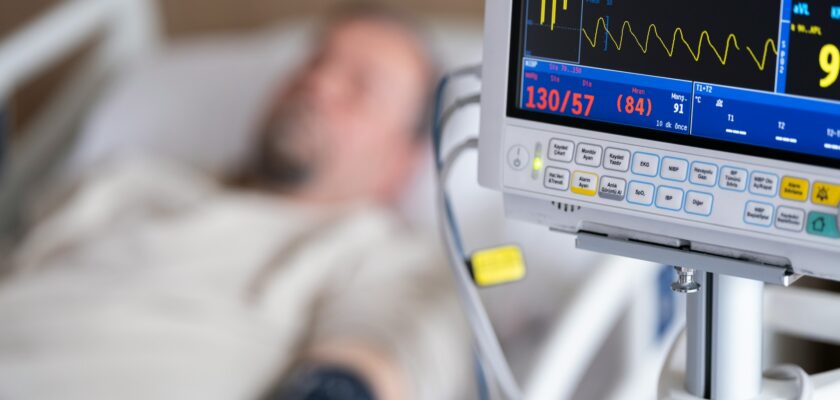
Heart disease remains the leading cause of death in America—and heart attacks can strike suddenly, even in people who consider themselves “healthy.”
But the body often gives early warning signs long before the crisis hits. Recognizing these red flags could save your life—or the life of someone you love.
Below are seven critical symptoms that experts say you should never ignore, especially if you’re over 50 or have risk factors such as high blood pressure, diabetes, or a family history of heart disease.
1. Chest Pressure or Tightness
That “elephant sitting on your chest” feeling is the most common symptom of a heart attack. It may start as mild pressure or burning that gradually worsens. If it lasts more than a few minutes—or comes and goes—seek medical help immediately.
2. Shortness of Breath
Feeling winded after light activity or even while resting could signal your heart isn’t pumping efficiently. Many people experience shortness of breath before chest pain ever appears. This symptom should never be brushed off as “just getting older.”
3. Unusual Fatigue
If simple tasks like walking to the mailbox suddenly leave you exhausted, your heart may be struggling to supply enough oxygen. Women, in particular, often report severe unexplained fatigue in the days or weeks before a heart attack.
4. Pain in the Jaw, Neck, or Shoulder
Not all heart attacks announce themselves with chest pain. Discomfort can radiate to the neck, jaw, upper back, or left arm. This “referred pain” happens when nerves share pathways with the heart. Any unexplained upper-body pain deserves attention.
5. Cold Sweats or Dizziness
A sudden cold sweat, clammy skin, or lightheadedness may indicate your blood pressure is dropping due to a cardiac event. Don’t assume it’s dehydration or stress—especially if these symptoms appear alongside chest pressure or nausea.
6. Nausea or Indigestion
Heart attack symptoms can mimic stomach problems. Many victims describe it as “bad heartburn” or a feeling of fullness they can’t shake. If nausea or discomfort occurs with other warning signs, call 911—it’s far better to be safe than sorry.
7. Swelling in the Ankles or Feet
Fluid buildup in your lower legs can signal heart failure, which often leads to heart attack if left untreated. The heart struggles to circulate blood, causing fluid to pool in the body. Persistent swelling deserves prompt evaluation.
What You Should Do
If you experience two or more of these symptoms, even if they come and go, don’t wait it out. Call emergency services immediately. Every minute counts—quick action dramatically increases survival rates and reduces long-term damage.
Remember, heart attacks don’t always happen suddenly. Many people experience warning signs days or even weeks before the big event. Listen to your body—and take those signs seriously.
Final Thought
Your heart is your engine. You wouldn’t ignore warning lights on your car’s dashboard, so don’t ignore the ones coming from your own body. With early action and lifestyle changes—healthy diet, regular exercise, and stress control—you can dramatically lower your risk and keep your heart strong for years to come.
✅ Health Tip:
Schedule a yearly heart checkup and discuss preventive screenings with your doctor. A simple blood test or EKG today could prevent a major crisis tomorrow.

