
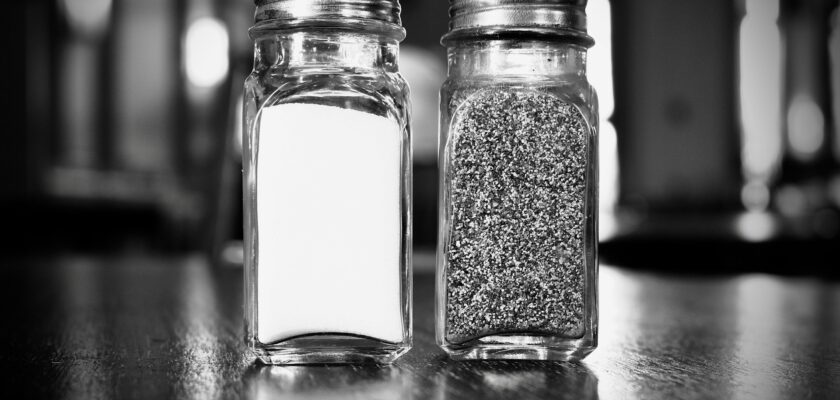
When people think about cutting back on sodium, the salt shaker is often the first thing that comes to mind.
But much of the sodium in the typical American diet doesn’t come from salt sprinkled on food at the dinner table.
Instead, sodium can be hiding in everyday foods — including some that don’t even taste particularly salty.
The U.S. Food and Drug Administration says the Daily Value for sodium is less than 2,300 milligrams per day. Yet the average American adult consumes roughly 3,400 milligrams daily, according to the American Heart Association.
That’s important because regularly consuming too much sodium can contribute to high blood pressure, which is a major risk factor for heart disease and stroke.
And for adults over 50, paying attention to sodium can become especially worthwhile as blood pressure tends to rise with age.
Here are seven common foods that can contain considerably more sodium than you might expect.
1. Bread and Rolls
Bread probably isn’t the first food you picture when you hear the words “high sodium.”
After all, most bread doesn’t taste particularly salty.
The problem is often how frequently we eat it.
A couple of slices at breakfast, bread with lunch and a roll at dinner can cause the sodium to add up over the course of the day. The American Heart Association specifically identifies breads and tortillas among significant sources of sodium in the American diet.
The amount can also vary considerably from one product to another.
A smarter choice: Compare Nutrition Facts labels when buying bread. A relatively small difference in sodium per slice can become significant if bread is something you eat every day.
2. Deli Meats
Turkey, ham and other sliced meats can make preparing lunch quick and convenient, but processed meats can also deliver a substantial dose of sodium.
Salt and sodium-containing ingredients are commonly used during processing for flavor, preservation and other purposes.
That means a seemingly simple turkey or ham sandwich can become a surprisingly high-sodium meal once you combine the meat with bread, cheese, condiments and other toppings.
Cold cuts and cured meats are among the foods the American Heart Association identifies as important sodium sources.
A smarter choice: Look for lower-sodium varieties and compare labels rather than assuming turkey or chicken is automatically lower in sodium than other deli meats.
Freshly cooked, unprocessed meat can also be an alternative.
3. Canned Soup
Soup may seem like a wholesome choice, particularly when it’s packed with vegetables, beans or chicken.
But canned and prepared soups can contain a surprising amount of sodium.
The American Heart Association has reported that the sodium content of a single cup of canned soup can vary enormously depending on the product.
And there’s another catch: the serving size.
If the Nutrition Facts panel lists one cup as a serving but you eat the entire container, you could consume substantially more sodium than the number that initially catches your eye.
A smarter choice: Look for “low sodium” or “no salt added” varieties and always check how many servings are actually in the container.
When making soup at home, use herbs, garlic, onions, pepper and other seasonings to build flavor without relying entirely on salt.
4. Cheese
Cheese provides protein and calcium, but certain varieties can also contribute significant sodium.
The amount varies widely depending on the type of cheese and how it’s made. Sodium can become particularly easy to overlook when cheese is added to sandwiches, burgers, casseroles, pizza, eggs and snacks throughout the day.
It’s the combination that matters.
A slice of cheese might fit comfortably into someone’s daily diet, but several servings combined with other sodium-rich foods can quickly increase the day’s total.
A smarter choice: Compare sodium levels between brands and varieties, watch portion sizes and consider using a smaller amount of flavorful cheese rather than automatically adding several slices.
5. Breakfast Cereals
Here’s one that may genuinely surprise you.
Some breakfast cereals contain sodium even though they don’t taste salty at all.
The FDA specifically points out that foods such as cereals can contain sodium without tasting particularly salty. That’s one reason taste isn’t a reliable way to determine whether a food contains much sodium.
People watching their sugar intake may already check cereal labels for added sugars, but sodium deserves a look as well.
A smarter choice: Compare cereals using both the sodium amount and the serving size on the Nutrition Facts panel.
If you’re trying to build a heart-conscious breakfast, options such as plain oatmeal topped with fresh fruit may give you greater control over added sodium and sugar.
6. Chicken
Chicken itself isn’t necessarily a high-sodium food.
It’s what can happen before it reaches your plate that matters.
Some poultry products may be injected or enhanced with solutions containing sodium. Breaded, seasoned, rotisserie and restaurant chicken can contain considerably more sodium than plain fresh chicken.
The American Heart Association notes that unseasoned fresh meat may contain around 100 milligrams of sodium or less per four-ounce serving, while an equivalent portion of prepared rotisserie chicken can contain around 400 milligrams.
That is a major difference for two foods that are both simply called “chicken.”
A smarter choice: Read the package carefully. Look for wording indicating that broth, saline or a sodium solution has been added.
When possible, choose fresh chicken and season it yourself.
7. Sauces, Dressings and Condiments
A healthy-looking meal can pick up a surprising amount of sodium from what you put on top of it.
Soy sauce, bottled salad dressings, ketchup, barbecue sauce, marinades and other condiments can all contribute sodium.
The problem is that these foods are often treated as extras, so people may not think about them when estimating how much sodium they’re eating.
Pouring instead of measuring can make portions considerably larger than the serving size printed on the label.
A smarter choice: Keep sauces and dressings on the side, compare brands and consider reduced-sodium versions. The FDA also recommends oil and vinegar as an alternative to bottled salad dressings for people looking to reduce sodium.
Why Sodium Can Be So Easy to Miss
One of the biggest misconceptions about sodium is that you’ll always be able to taste it.
That’s simply not the case.
Sodium-containing ingredients have numerous functions in food. They may be used in baking, curing, preserving food, retaining moisture, thickening products and enhancing flavor.
As a result, foods don’t necessarily have to taste extremely salty to contribute meaningful amounts of sodium.
There’s another reason sodium adds up so easily: most of it may already be in the food before you eat it.
The American Heart Association estimates that more than 70% of the sodium Americans consume comes from prepared, packaged and restaurant foods.
So putting away the salt shaker can help, but it may not address the largest sources in your diet.
The Nutrition Label Trick Worth Remembering
Fortunately, you don’t have to memorize the sodium content of everything in the grocery store.
Use the % Daily Value (%DV) on the Nutrition Facts label.
According to the FDA:
- 5% Daily Value or less of sodium per serving is considered low.
- 20% Daily Value or more per serving is considered high.
Just remember to check the serving size.
If a product contains 500 milligrams of sodium per serving and you eat two servings, you’ve consumed 1,000 milligrams — not 500.
Simple Ways to Cut Back Without Eating Bland Food
Reducing sodium doesn’t mean giving up flavor.
Cooking more meals at home can give you greater control over how much sodium goes into your food. Herbs, spices, garlic, citrus juice and salt-free seasoning blends can provide plenty of flavor.
You can also compare brands because sodium levels can differ significantly among seemingly similar products. Choosing fresh or frozen vegetables without added sauces, rinsing canned beans and vegetables, and selecting lower-sodium versions of packaged foods can also help.
Small changes can add up.
The Bottom Line
Sodium isn’t limited to obviously salty foods like potato chips and pretzels.
Bread, deli meat, canned soup, cheese, breakfast cereal, prepared chicken, and sauces or condiments can all contribute more sodium to your diet than you may realize.
That doesn’t mean you have to eliminate these foods entirely. Instead, get into the habit of checking labels, comparing products and paying attention to serving sizes.
The FDA’s general Daily Value is less than 2,300 milligrams of sodium per day, although individual needs can vary. People with high blood pressure, heart disease, kidney disease or other medical concerns should talk with a qualified health professional about an appropriate sodium target.
Sometimes, one of the simplest steps toward a healthier diet isn’t removing the salt shaker.
It’s discovering how much sodium was already on the plate.
This article is for general educational purposes and is not a substitute for personalized medical advice, diagnosis or treatment.

