
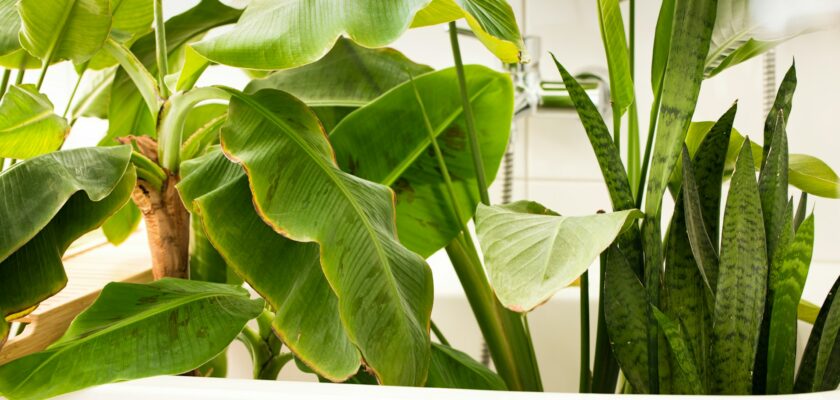
5 Houseplants to Avoid if You Suffer from Allergies and Why
While houseplants can bring life and beauty into your home, some plants can aggravate allergies by producing pollen, mold, or other irritants. Here are five common houseplants to avoid if you have allergies and why they can be problematic:
Today’s Poll

1. Weeping Fig (Ficus Benjamina)
Why to avoid:
Weeping figs are beautiful but notorious for causing allergic reactions. They produce airborne sap particles and can release latex, which is a common allergen. The tiny sap particles can irritate the respiratory system, making this plant a poor choice for those with latex allergies or respiratory sensitivities.
2. Boston Fern (Nephrolepis exaltata)
Why to avoid:
Though popular for its air-purifying qualities, the Boston fern can harbor mold in its soil due to its need for constant moisture. Mold spores can be released into the air, potentially triggering allergic reactions in people sensitive to mold or dust mites.
3. Peace Lily (Spathiphyllum)
Why to avoid:
Peace lilies are known for their low maintenance and air-purifying abilities, but they also produce a significant amount of pollen. For individuals with pollen allergies, these plants can aggravate symptoms such as sneezing, itchy eyes, and a runny nose.
4. Areca Palm (Dypsis lutescens)
Why to avoid:
Areca palms release pollen that can easily become airborne, making them problematic for individuals with pollen allergies. In addition, they require high humidity, which can lead to mold growth in the soil, further aggravating allergy symptoms.
5. Chrysanthemums (Chrysanthemum morifolium)
Why to avoid:
Chrysanthemums are vibrant and commonly used in indoor arrangements, but they are known to produce significant amounts of pollen. They can trigger allergic reactions, particularly in those sensitive to pollen, causing symptoms such as sneezing, nasal congestion, and eye irritation.
Word to the Wise:
If you’re an allergy sufferer but still want to enjoy houseplants, consider low-allergen options like succulents, snake plants, or spider plants. These varieties are less likely to trigger allergic reactions and can still help purify the air in your home. Additionally, keeping plant soil dry and clean can help prevent mold buildup, which is another common allergen.

