
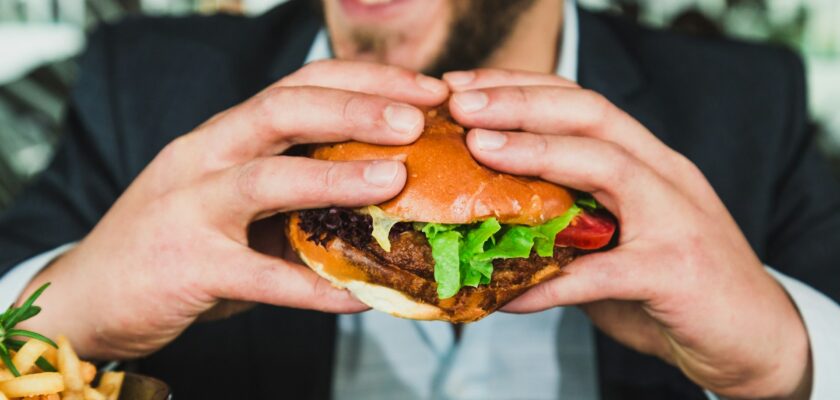
Why Red Meat Might Be Harming Your Health (More Than You Think)
Special Poll
A juicy steak or a sizzling burger might be a staple in many diets, but experts are increasingly urging older adults to limit red meat, particularly when it’s processed or eaten frequently.
Here’s why cutting back on red meat could be a wise move as you age:
1. Heart Health Risks
Red meat, especially beef and pork, is high in saturated fats and cholesterol, both of which have been linked to an increased risk of heart disease and stroke. Over time, frequent consumption may contribute to arterial plaque buildup and elevated blood pressure.
2. Cancer Concerns
The World Health Organization has classified processed meats like bacon, ham, and sausages as carcinogenic to humans. Even unprocessed red meat, when eaten in large amounts, is linked to an increased risk of colorectal cancer a serious concern for aging adults.
3. Kidney and Gut Stress
Red meat is high in protein and certain acids that can put added stress on the kidneys, especially in those with reduced kidney function. It also alters the gut microbiome, increasing compounds like TMAO (trimethylamine N-oxide), which may raise cardiovascular risks.
4. Inflammation and Aging
Eating too much red meat can promote systemic inflammation. This not only accelerates the aging process but also contributes to chronic conditions like arthritis, diabetes, and cognitive decline all of which become more common after 50.
Final Thought
While red meat is inherently not “bad,” it’s important to remember that individual health needs vary. What benefits one person might burden another. Listening to your body, being aware of how you feel after eating certain foods, and discussing any dietary changes with your doctor can help you make choices that truly support your long-term health.

