
Eating the right foods becomes increasingly important after age 50.
These 10 nutritious options may help support heart health, maintain muscle strength, protect bones, and promote healthy aging.
As Americans reach their 50s, 60s, and beyond, their nutritional needs begin to change. While the body may require fewer calories than it did decades earlier, getting enough essential vitamins, minerals, protein, and other nutrients remains just as important.
The good news is that maintaining a healthy diet doesn’t necessarily require expensive supplements, complicated meal plans, or major changes to your daily routine.
In fact, some of the most beneficial foods for older adults are ordinary grocery store staples that can easily fit into breakfast, lunch, or dinner.
According to the National Institute on Aging, choosing nutrient-rich foods can help older adults maintain their health while meeting their changing nutritional needs.
Here are 10 foods worth considering if you’re over 50 and looking to make healthier choices.
1. Salmon: A Heart-Healthy Source of Protein
Salmon is one of the most nutritious seafood options available, particularly for adults concerned about cardiovascular health.
This popular fish contains omega-3 fatty acids, which play an important role in supporting normal heart function. Salmon also provides high-quality protein, vitamin B12, and vitamin D.
These nutrients become especially valuable with age, when maintaining muscle strength and bone health can become more challenging.
The American Heart Association recommends eating two servings of fish, particularly fatty fish, each week.
Easy way to enjoy it: Bake salmon with lemon, garlic, and olive oil. Serve it alongside roasted vegetables for a balanced dinner.
Canned salmon can also be a convenient, budget-friendly alternative to fresh fish.
2. Blueberries: Small Fruits With Valuable Antioxidants
Blueberries may be small, but they contain an impressive variety of beneficial nutrients.
These berries provide vitamin C, fiber, and naturally occurring plant compounds called anthocyanins, which give blueberries their distinctive deep-blue color.
Anthocyanins have antioxidant properties and are being studied for their potential roles in cardiovascular and cognitive health.
Although blueberries cannot prevent memory loss or guarantee better brain function, they can be a nutritious addition to a balanced eating plan.
Another advantage is their natural sweetness, which may help satisfy cravings without relying on desserts containing large amounts of added sugar.
Easy way to enjoy them: Add fresh or frozen blueberries to oatmeal, plain yogurt, or whole-grain cereal.
Frozen blueberries are often less expensive than fresh varieties and remain a nutritious option.
3. Eggs: An Affordable Source of Protein and Choline
Eggs have long been a breakfast staple in American households, and they offer several nutritional advantages for older adults.
One large egg provides approximately six grams of protein, along with vitamin B12, selenium, and choline.
Choline is an essential nutrient involved in normal brain and nervous system function.
Protein is equally important because adults naturally experience changes in muscle mass and strength as they age.
Including adequate protein in meals, along with regular physical activity, can help maintain muscle function.
Eggs are also relatively inexpensive and can be prepared in numerous ways.
Easy way to enjoy them: Try scrambled eggs with spinach, a vegetable omelet, or a hard-boiled egg alongside whole-grain toast.
People managing elevated cholesterol or certain cardiovascular conditions should discuss their overall dietary pattern with a healthcare professional.
4. Spinach: A Leafy Green Packed With Vitamins
Spinach is an excellent example of a nutrient-dense vegetable that delivers substantial nutritional value without many calories.
It contains vitamin K, vitamin A precursors, folate, and other important nutrients.
Vitamin K contributes to normal blood clotting and plays a role in bone metabolism, while folate helps the body produce healthy cells.
Spinach also provides lutein and zeaxanthin, two plant compounds associated with eye health.
Maintaining adequate nutrition for the eyes becomes increasingly important as people grow older.
Easy way to enjoy it: Add spinach to soups, scrambled eggs, sandwiches, or salads.
Frozen spinach is another economical option and works particularly well in cooked meals.
One important precaution: People taking warfarin or certain other blood-thinning medications should keep their vitamin K intake consistent and discuss dietary changes with their healthcare provider.
5. Greek Yogurt: A Simple Way to Support Muscles and Bones
Plain Greek yogurt offers an appealing combination of protein and essential nutrients.
Compared with many traditional yogurts, Greek yogurt generally contains more protein per serving, although amounts vary by brand.
It also provides calcium, an important mineral for maintaining strong bones and teeth.
Some varieties contain vitamin D, while yogurts with live and active cultures may contribute beneficial microorganisms to the digestive system.
For adults over 50, adequate calcium and protein are particularly important because aging can increase concerns about bone density and muscle loss.
Easy way to enjoy it: Choose plain, unsweetened Greek yogurt and add berries, chopped walnuts, or cinnamon.
Check the nutrition label for calcium, vitamin D, protein, and added sugar, since products can differ considerably.
6. Walnuts: A Crunchy Snack With Healthy Fats
Walnuts are a convenient source of unsaturated fats, fiber, and several essential minerals.
They are particularly notable for containing alpha-linolenic acid, or ALA, a plant-based omega-3 fatty acid.
Replacing snacks high in saturated fat with modest portions of walnuts may help support a heart-healthy eating pattern.
Walnuts also provide magnesium and plant compounds with antioxidant activity.
Because nuts are calorie-dense, portion size matters. A small handful can make a satisfying snack without adding an excessive number of calories.
Easy way to enjoy them: Sprinkle chopped walnuts over oatmeal, salads, or yogurt.
Choose unsalted varieties when possible, especially if you’re monitoring sodium intake or blood pressure.
7. Sweet Potatoes: A Colorful Source of Fiber and Potassium
Sweet potatoes are an affordable and versatile food that deserves a regular place on the dinner table.
Their bright orange color comes from beta-carotene, a plant pigment that the body can convert into vitamin A.
Vitamin A supports normal vision and immune function.
Sweet potatoes also supply fiber and potassium, nutrients that contribute to digestive health and normal muscle and nerve function.
Potassium is involved in regulating blood pressure, although individual dietary needs can vary.
Easy way to enjoy them: Bake a sweet potato and top it with a small amount of olive oil, cinnamon, or plain Greek yogurt.
Roasted sweet potato cubes also make an excellent side dish.
Individuals with kidney disease or those instructed to restrict potassium should consult their healthcare provider about appropriate portions.
8. Oatmeal: A Breakfast Food That Supports Heart Health
Oatmeal is one of the simplest ways to introduce more whole grains into your daily routine.
Oats contain a soluble fiber called beta-glucan, which can help lower LDL cholesterol when consumed in sufficient amounts as part of a healthy diet.
Soluble fiber also supports digestive health and can help make meals more satisfying.
For adults looking to improve the nutritional quality of breakfast, plain oatmeal is often a better choice than heavily sweetened cereals or pastries.
Steel-cut oats, rolled oats, and plain instant oats can all be nutritious choices.
Easy way to enjoy it: Prepare oatmeal with milk or a calcium-fortified alternative, then add blueberries, walnuts, or sliced apples.
Avoid relying on flavored instant oatmeal packets that contain substantial amounts of added sugar.
9. Beans and Lentils: Budget-Friendly Nutrition for Healthy Aging
Beans and lentils are among the most economical nutrient-dense foods available.
Black beans, kidney beans, chickpeas, and lentils provide plant-based protein, dietary fiber, folate, iron, and other important nutrients.
Their combination of protein and fiber makes them especially useful for creating filling, satisfying meals.
Regularly including legumes in a balanced diet can help support healthy cholesterol levels and digestive function.
They are also a practical way to replace some processed meats or higher-saturated-fat protein sources.
Easy way to enjoy them: Add black beans to homemade chili, lentils to vegetable soup, or chickpeas to a salad.
Canned beans are convenient, but choosing no-salt-added varieties or rinsing regular canned beans can help reduce sodium intake.
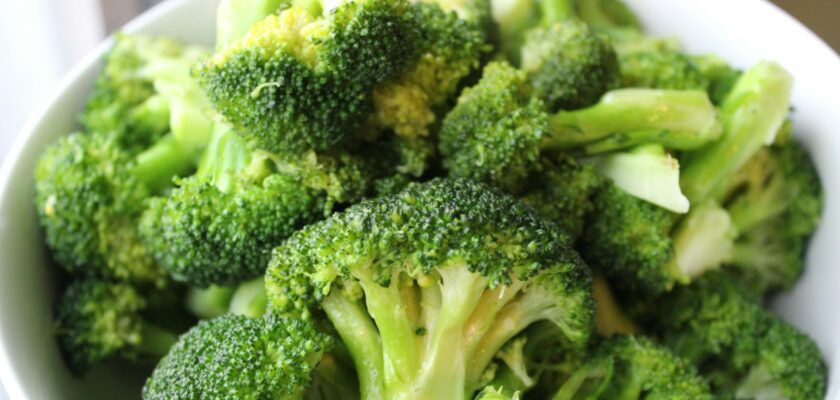
10. Broccoli: A Nutrient-Rich Vegetable Worth Keeping on the Menu
Broccoli provides an impressive combination of vitamin C, vitamin K, folate, fiber, and other beneficial plant compounds.
Vitamin C supports normal immune function and collagen production, while fiber helps maintain digestive regularity.
Broccoli belongs to the cruciferous vegetable family, which also includes cauliflower, cabbage, and Brussels sprouts.
These vegetables contain naturally occurring compounds that researchers continue to study for their potential long-term health benefits.
Although no single vegetable can prevent serious diseases, regularly eating broccoli can contribute to an overall nutritious dietary pattern.
Easy way to enjoy it: Lightly steam broccoli and season it with lemon juice, garlic, and olive oil.
Frozen broccoli is often a convenient and economical choice, especially for households trying to reduce food waste.
Why Good Nutrition Matters More After Age 50
Eating well is important throughout life, but several age-related changes make food choices particularly significant after 50.
Muscle mass can gradually decline with age, making sufficient protein and physical activity increasingly important.
Bone density may also decrease, especially among women after menopause. Calcium, vitamin D, regular exercise, and other healthy habits all contribute to maintaining bone strength.
Meanwhile, dietary fiber can help support digestion, which may become a concern for some older adults.
Vitamin B12 deserves attention as well. According to the National Institute on Aging, some people over 50 have difficulty absorbing vitamin B12 naturally present in food.
This means certain individuals may need fortified foods or supplements, depending on their circumstances and medical advice.
The goal is not to eat perfectly every day. It is to consistently choose foods that provide meaningful nutritional benefits.
Simple Ways to Eat Healthier Without Spending More
One common misconception is that healthy eating requires a large grocery budget.
In reality, many nutritious foods are affordable when purchased strategically.
Frozen vegetables and berries can provide valuable nutrients while lasting longer than fresh produce.
Canned salmon, beans, and lentils offer convenient protein options without requiring expensive ingredients.
Buying plain oatmeal in larger containers can also be more economical than purchasing individually packaged breakfast products.
Planning meals around several versatile ingredients can reduce food waste and make healthy cooking easier.
For example, spinach can be used in breakfast eggs, lunchtime salads, and vegetable soups. Greek yogurt can serve as breakfast, a snack, or a substitute for sour cream.
Small, practical changes like these may be easier to maintain than an overly restrictive diet.
A Few Important Considerations Before Changing Your Diet
Not every food is appropriate for every individual.
Adults taking prescription medications or managing conditions such as diabetes, kidney disease, food allergies, or digestive disorders may need to make specific dietary adjustments.
For example, some people must monitor potassium intake, while individuals taking warfarin need to maintain a consistent intake of vitamin K.
Others may require additional attention to protein, calcium, vitamin D, or vitamin B12.
Before making substantial dietary changes, particularly if you have ongoing medical concerns, consider speaking with your doctor or a registered dietitian.
And remember that nutrient-dense foods are not substitutes for prescribed medications or necessary medical treatment.
The Bottom Line
Eating healthier after 50 doesn’t have to be complicated.
Salmon, blueberries, eggs, spinach, Greek yogurt, walnuts, sweet potatoes, oatmeal, beans, and broccoli are all practical choices that can provide valuable nutrients for aging adults.
The greatest benefits generally come from overall eating habits rather than any single so-called superfood.
By including a variety of vegetables, fruits, whole grains, healthy fats, and quality protein sources in everyday meals, adults over 50 can take meaningful steps toward supporting their long-term health.
Sometimes, improving your diet starts with something as simple as adding berries to breakfast, choosing fish for dinner, or replacing a processed snack with a handful of walnuts.
Those small decisions can add up over time.
Medical Disclaimer: This article is intended for general educational and informational purposes only. It does not constitute medical advice, diagnosis, or treatment. Always consult a qualified healthcare professional about individual dietary needs, medical conditions, or medication-related concerns.

