
Most people associate aging with gray hair, wrinkles, or changes in their energy levels.
But medical researchers are increasingly paying attention to something far less obvious: how strongly a person can squeeze their hand.
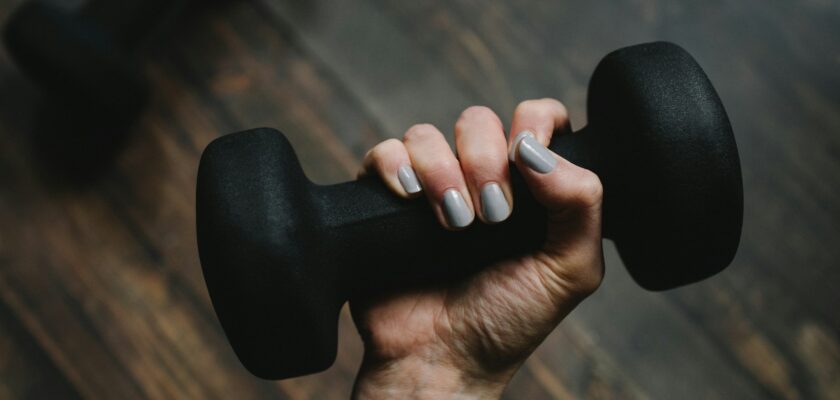
It may sound surprising, but grip strength could reveal important information about overall health, physical independence, and how the body is aging.
Studies have found that weaker grip strength is associated with several health concerns, including muscle loss, cardiovascular disease, and a greater risk of physical disability.
For adults over 50, these findings are particularly important. A simple measurement of hand strength may help healthcare professionals recognize changes in physical health before those changes become more noticeable in everyday life.
And perhaps most encouraging, there are practical ways to preserve muscle strength as the years go by.
Why Grip Strength Matters More Than Most People Realize
Grip strength refers to the amount of force a person can generate when squeezing an object with their hand.
While it might seem like a measurement that only matters to athletes or people who perform physical labor, researchers have discovered that it can provide a useful window into overall muscular health.
The muscles responsible for gripping are connected to a much larger system involving nerves, muscles, and physical coordination.
As people age, their bodies naturally undergo changes that can affect these systems.
Muscle mass may gradually decrease, physical endurance can decline, and everyday activities may require more effort.
Grip strength can help doctors evaluate some of these changes because it provides a quick, measurable indication of muscular function.
Rather than focusing exclusively on hand strength, healthcare professionals can use the measurement as one piece of information when evaluating a patient’s overall physical condition.
A weaker grip does not automatically indicate a serious health problem. However, unusually low strength or a noticeable decline over time may justify a closer look.
Research Reveals a Surprising Connection to Longevity
One reason grip strength has attracted medical attention is its association with long-term health outcomes.
Research involving large populations has found that people with greater grip strength tend to have lower rates of certain serious health problems compared with those who have weaker grips.
A major scientific review published in 2026 examined research on muscular strength and long-term health conditions.
The analysis included 155 studies, with 94 incorporated into a statistical meta-analysis.
Researchers found that adults with higher grip strength had lower observed risks of several conditions, including cardiovascular disease, type 2 diabetes, physical disability, and cognitive decline.
Additional research has identified associations between weaker grip strength and higher mortality rates among older adults.
These findings do not mean that squeezing a hand exerciser will automatically prevent disease or extend someone’s lifespan.
Instead, grip strength appears to reflect broader aspects of health, including muscle function, physical activity, and underlying medical conditions.
The important distinction is that grip strength can be a health indicator, not a prediction of exactly how long someone will live.
Nevertheless, researchers believe it could become an increasingly useful measurement during routine health assessments.
What Grip Strength May Reveal About Muscle Loss After 50
One of the most significant physical changes associated with aging is the gradual loss of muscle mass and strength.
This process can eventually contribute to a condition known as sarcopenia, which involves reduced muscle strength and muscle mass.
Although muscle loss can begin earlier in adulthood, its effects often become more noticeable after age 50.
A person may gradually discover that carrying groceries, opening jars, lifting household items, or completing yardwork requires more effort than it once did.
These changes are sometimes dismissed as an unavoidable part of getting older.
However, doctors emphasize that significant muscle weakness should not automatically be considered normal or ignored.
Maintaining muscle strength is essential for mobility, balance, and independence.
Weakness can make routine activities more difficult and may contribute to a greater risk of falls or other physical limitations.
Because grip strength is relatively easy to measure, it can help healthcare professionals identify people who may benefit from additional testing, nutritional guidance, or strength-building exercises.
The Connection Between Grip Strength and Heart Health
Perhaps one of the more unexpected discoveries involves the relationship between muscular strength and cardiovascular health.
Several studies have found that adults with weaker grip strength face a higher statistical risk of cardiovascular problems and cardiovascular-related death.
Researchers are still examining the reasons behind this relationship.
One explanation is that muscular strength often reflects a person’s broader physical condition.
Individuals who remain physically active and maintain healthy muscle function may also have better metabolic health and cardiovascular fitness.
Conversely, chronic illnesses, inactivity, inflammation, or poor nutrition may contribute to both reduced muscle strength and declining cardiovascular health.
This does not establish that weak hands directly cause heart disease.
Instead, grip strength may provide an additional clue about overall health that doctors can consider alongside blood pressure, cholesterol, blood sugar, and other established risk factors.
For older adults, the finding reinforces the importance of maintaining muscle strength as part of a comprehensive approach to healthy aging.
Could Your Grip Strength Offer Clues About Brain Health?
Scientists have also explored whether muscular strength is connected to cognitive health.
Some observational studies have found that people with stronger grips have lower rates of cognitive decline and certain neurological conditions.
A 2026 research review reported an association between higher grip strength and lower observed risks of cognitive decline and dementia.
However, researchers caution that these findings do not prove stronger hands prevent memory problems.
The relationship may involve several factors, including physical activity, circulation, neurological function, and overall health.
For example, maintaining an active lifestyle can support both physical fitness and brain health.
Certain medical conditions may also affect muscular strength and cognitive performance at the same time.
The research highlights why doctors increasingly view aging as a process involving multiple interconnected systems rather than isolated changes to individual organs.
How Doctors Actually Measure Grip Strength
One advantage of grip strength testing is its simplicity.
Healthcare professionals commonly use a small handheld instrument called a dynamometer.
The device measures the force generated when someone squeezes its handle.
During a typical assessment, a patient holds the instrument and squeezes as firmly as possible for a short period.
The clinician may repeat the measurement several times and evaluate both hands.
Results can then be compared with appropriate reference values based on factors such as age and sex.
Unlike complicated medical procedures, grip strength testing generally takes only a few minutes.
However, there is no single ideal number that applies to everyone.
Hand size, body size, arthritis, previous injuries, and other medical conditions can influence results.
For this reason, doctors typically interpret grip strength measurements within the context of an individual’s overall health.
A single low measurement is not enough to diagnose muscle loss, heart disease, dementia, or another medical condition.
Warning Signs of Declining Strength You Shouldn’t Ignore
Many people do not realize their muscular strength is changing until familiar activities become noticeably more difficult.
Certain everyday experiences may suggest that strength deserves more attention.
These include:
- Having increasing difficulty opening jars or tightly sealed containers.
- Finding it harder to carry grocery bags or lift household objects.
- Frequently dropping items because of reduced hand strength.
- Noticing that tasks involving tools or gardening require more effort.
- Experiencing progressive weakness in the hands, arms, or legs.
- Struggling to rise from a chair or climb stairs.
These symptoms can have several causes, including arthritis, nerve problems, medication effects, or muscular conditions.
A healthcare professional can help determine whether the changes reflect normal variation, reduced conditioning, or an underlying medical problem.
Sudden weakness, particularly on one side of the body or accompanied by facial drooping or speech difficulty, requires immediate emergency medical attention.
Five Practical Ways to Maintain Grip Strength as You Age
The encouraging news is that muscle strength can often be improved or maintained well into older adulthood.
Experts generally recommend combining resistance exercise, balanced nutrition, and regular physical activity to support healthy aging.
1. Practice Gentle Hand-Strengthening Exercises
Simple exercises can help improve the strength and endurance of the hands and forearms.
One example involves squeezing a soft foam ball, holding the squeeze briefly, and then releasing.
Another option is using a light hand-grip trainer with comfortable resistance.
Begin with manageable movements and avoid forcing your hands through pain.
People with arthritis, recent injuries, or significant joint problems should seek guidance before beginning repetitive gripping exercises.
2. Include Strength Training in Your Weekly Routine
Although hand exercises may improve grip strength, maintaining whole-body strength is even more important.
Resistance training helps preserve the muscles needed for walking, lifting, standing, and completing everyday activities.
Depending on fitness level, suitable exercises may include resistance bands, light dumbbells, wall push-ups, or carefully performed chair stands.
General physical activity guidelines recommend muscle-strengthening activities at least two days per week.
Older adults should also include balance training and aerobic activity appropriate to their health and abilities.
3. Pay Attention to Protein Intake
Protein plays an essential role in maintaining and repairing muscle tissue.
As people age, consuming adequate protein becomes particularly important for supporting muscle health.
Foods such as eggs, fish, poultry, beans, yogurt, and other protein-rich options can contribute to daily nutritional needs.
However, protein requirements vary depending on body size, activity level, and medical history.
People with kidney disease or other conditions requiring dietary restrictions should consult a healthcare professional before substantially increasing protein intake.
4. Stay Physically Active Throughout the Day
Regular movement helps prevent the gradual loss of strength associated with prolonged inactivity.
Walking, gardening, swimming, and other enjoyable activities can support general fitness.
While aerobic activities do not replace resistance training, combining different forms of movement provides broader benefits for physical health.
For adults over 50, consistency matters more than attempting overly demanding workouts.
Even modest improvements in regular activity can make a meaningful difference in mobility and everyday function.
5. Monitor Changes and Discuss Concerns With Your Doctor
A noticeable decline in strength should not be ignored, especially when it affects routine activities.
Doctors can evaluate potential contributors such as medication effects, nerve conditions, arthritis, nutritional deficiencies, and other health concerns.
In some cases, physical or occupational therapy may be recommended.
Tracking changes in function over time can also help identify whether an exercise or rehabilitation program is producing improvements.
Is Grip Strength More Important Than Your Age?
Two people who are the same age can have very different levels of strength, mobility, and physical function.
One 70-year-old may comfortably carry groceries, garden, and remain highly active.
Another person of the same age may struggle with similar tasks because of medical conditions, reduced muscle strength, or prolonged inactivity.
That difference illustrates why chronological age does not tell the entire story about physical health.
Researchers sometimes use the term biological aging to describe changes in how the body functions over time.
Grip strength is one potential indicator of those changes.
In a 2024 National Institutes of Health report examining research involving adults over 50, investigators highlighted how grip strength, leg strength, and balance tend to decline with age.
Such measurements may eventually help clinicians better evaluate functional aging and identify opportunities for intervention.
However, grip strength alone cannot determine someone’s biological age or provide a complete assessment of their health.
Why Maintaining Strength Could Help Preserve Independence
For many older Americans, one of the greatest priorities is maintaining the ability to live independently.
Being able to shop, cook, perform household chores, travel, and participate in family activities contributes significantly to quality of life.
Muscle strength plays a central role in preserving those abilities.
When strength declines substantially, ordinary activities can become more challenging.
Maintaining strength and balance may help reduce physical limitations and support safer movement.
This is why medical professionals increasingly emphasize healthy aging rather than focusing solely on lifespan.
The goal is not simply to live longer, but to preserve physical function and quality of life throughout those additional years.
Keeping muscles active and strong is one practical way to support that goal.
The Bottom Line
Grip strength may seem like a minor detail, but research suggests it can provide meaningful information about how the body is aging.
Studies have connected weaker grip strength with reduced muscular function, greater physical disability, and higher observed risks of several chronic health conditions.
Still, grip strength is only one piece of the health puzzle. A weak grip does not necessarily mean someone is unhealthy, and a strong grip does not guarantee protection from disease.
For adults over 50, the larger message is encouraging: preserving muscle strength through regular physical activity, appropriate resistance training, and balanced nutrition can help support healthier aging.
Something as simple as noticing changes in your ability to carry groceries or open a jar could provide a useful reason to discuss strength and mobility with your healthcare provider.
Ultimately, maintaining strength isn’t just about having a firm handshake. It’s about protecting the everyday abilities that help people remain active, confident, and independent as they grow older.
Medical disclaimer: This article is intended for general educational purposes and should not replace personalized medical advice, diagnosis, or treatment from a qualified healthcare professional.
