
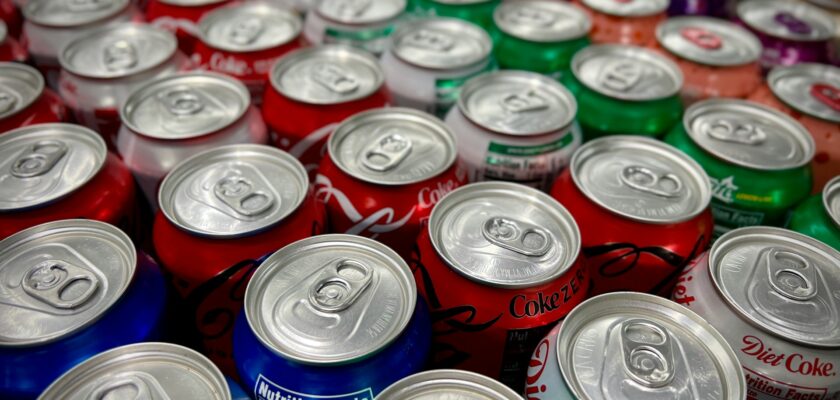
Giving up soda for 30 days may sound like a small change, but it can have a surprisingly noticeable effect on your daily habits and overall health.
Whether you drink regular soda, diet soda, or several cans a day, cutting back can reduce your intake of added sugar, calories, caffeine, and certain food additives. For some people, the difference may be noticeable within days. For others, the benefits appear gradually over several weeks.
Here is what may happen to your body when you stop drinking soda for a month.
1. You May Consume Much Less Added Sugar
One of the biggest changes comes from removing a major source of added sugar.
A typical 12-ounce can of regular soda can contain around 35 to 40 grams of added sugar. If you drink one or two cans every day, that can add up quickly.
Eliminating regular soda may significantly reduce your daily sugar intake without requiring major changes to the rest of your diet.
Over time, consuming less added sugar may support healthier blood sugar management and make it easier to stay within recommended limits for added sugars.
For people who have been drinking multiple sodas per day, this can be one of the most meaningful changes.
2. You Could Cut Hundreds of Calories Each Day
Regular soda contains calories but provides very little nutritional value.
One 12-ounce soda often contains about 140 to 160 calories. Drinking two per day could contribute roughly 300 calories to your daily intake.
Eliminating those drinks could therefore reduce your weekly calorie intake by more than 2,000 calories, depending on what you drink and what you replace it with.
That does not automatically mean you will lose weight. Weight changes depend on your total diet, activity level, metabolism, and whether you replace soda with other high-calorie foods or drinks.
However, replacing soda with water or another low-calorie beverage may make it easier to reduce overall calorie consumption.
3. Your Weight May Begin to Change
Some people notice a modest change on the scale after eliminating regular soda.
If soda has been contributing several hundred calories per day and those calories are not replaced elsewhere, a calorie deficit may develop.
Even a small reduction in body weight can be beneficial for some people, particularly when it is part of a sustainable eating pattern rather than a restrictive crash diet.
The key is what replaces the soda.
Switching from regular soda to water is much more likely to reduce calories than replacing soda with sweet tea, juice, milkshakes, or sugary coffee drinks.
4. Your Blood Sugar May Become More Stable
Sugar-sweetened soda is absorbed quickly and can cause blood glucose levels to rise rapidly.
Your body responds by releasing insulin, a hormone that helps move glucose from the bloodstream into cells.
Frequently drinking large amounts of sugary beverages can place additional demands on the body’s blood sugar regulation system.
Removing regular soda may help reduce repeated large doses of rapidly absorbed sugar.
For people concerned about blood sugar, this can be an especially important reason to reduce sugary drinks.
Anyone with diabetes or another blood sugar condition should continue following the treatment and dietary guidance provided by a qualified healthcare professional.
5. Your Teeth May Thank You
Soda can be hard on your teeth for two major reasons: sugar and acidity.
Sugar feeds bacteria in the mouth that produce acids capable of damaging tooth enamel. Soda itself is also acidic, including many sugar-free varieties.
Regular exposure can contribute to enamel erosion and increase the risk of dental problems over time.
Giving up soda reduces how often your teeth are exposed to these substances.
Water is generally a much friendlier everyday beverage for your teeth.
6. You May Feel Fewer Energy Highs and Lows
Many people reach for soda when they need an afternoon boost.
Sugary soda can provide a quick burst of carbohydrates, and caffeinated varieties may temporarily increase alertness.
However, some people find that the boost is followed by an energy slump.
After several weeks without soda, your energy levels may feel more consistent, particularly if you replace it with water and eat balanced meals containing protein, fiber, and healthy fats.
The effect varies considerably from person to person.
7. You Might Experience Caffeine Withdrawal at First
Not every effect of quitting soda feels good immediately.
If you regularly drink caffeinated soda, suddenly stopping can lead to caffeine withdrawal.
Possible symptoms include:
- Headaches
- Fatigue
- Difficulty concentrating
- Irritability
- Sleepiness
These symptoms are usually temporary.
People who consume large amounts of caffeine may find it more comfortable to gradually reduce their intake rather than stopping suddenly.
You can also replace some caffeinated soda with unsweetened tea or coffee if you want to reduce sugar without eliminating caffeine entirely.
8. You May Become Better Hydrated
Although soda contributes fluid, replacing it with water can make hydration simpler without adding sugar or calories.
Adequate hydration supports many important functions, including digestion, circulation, body temperature regulation, and normal kidney function.
Some people who stop drinking soda begin carrying a water bottle or drinking water more consistently throughout the day.
That new habit may become one of the biggest long-term benefits of the 30-day experiment.
9. Your Digestion Could Feel Different
Carbonated drinks can cause gas, belching, and bloating in some people.
If you regularly experience these symptoms after drinking soda, eliminating it may reduce digestive discomfort.
However, carbonation affects everyone differently.
Plain sparkling water can be a useful soda substitute for people who enjoy the fizz but want to avoid added sugar. Those who are sensitive to carbonation may prefer still water instead.
10. Your Heart Health May Benefit Over Time
One month without soda will not transform your cardiovascular health overnight.
However, reducing sugar-sweetened beverages can be part of a heart-healthy lifestyle.
Regularly consuming large amounts of sugary drinks has been associated in research with several cardiovascular risk factors, including weight gain and metabolic problems.
Replacing soda with water, unsweetened tea, or other low-sugar beverages may therefore support healthier long-term habits.
The greatest benefits typically come when this change is combined with nutritious food, regular physical activity, adequate sleep, and appropriate medical care.
11. Your Cravings for Sweet Drinks May Decrease
This can be one of the most surprising changes.
When people regularly consume very sweet foods and drinks, their taste preferences can become accustomed to intense sweetness.
After reducing soda for several weeks, some people find that extremely sweet beverages no longer taste as appealing.
Water, flavored sparkling water, or unsweetened tea may gradually become more satisfying.
The first week can be difficult, but cravings often become easier to manage once drinking soda is no longer an automatic daily habit.
12. You May Save a Noticeable Amount of Money
The benefits are not limited to your health.
Soda can become expensive, especially when purchased at restaurants, convenience stores, vending machines, or drive-thrus.
Imagine spending $2 per day on soda.
That equals about:
$60 per month
$730 per year
People who drink multiple sodas or frequently purchase fountain drinks could save even more.
Replacing some of those purchases with tap water can benefit both your health and your household budget.
What About Diet Soda?
Diet soda is different from regular soda because it generally contains little or no sugar and very few calories.
That means eliminating diet soda will not produce the same reduction in sugar or calories as eliminating regular soda.
However, diet soda can still contain caffeine and acids that may affect sleep, caffeine dependence, or dental enamel.
Research on artificially sweetened beverages and long-term health continues to evolve, and individual responses vary.
For people trying to reduce regular soda, diet soda may sometimes be used as a transitional substitute. Others may prefer water, sparkling water, or unsweetened beverages.
What Should You Drink Instead of Soda?
You do not have to drink plain water all day.
Several alternatives can make the transition easier:
- Water with lemon, lime, cucumber, or berries
- Unsweetened iced tea
- Hot tea
- Sparkling water
- Naturally flavored seltzer without added sugar
- Water with mint leaves
- Coffee with minimal added sugar
- Low-sugar beverages in moderation
If you are accustomed to soda with every meal, simply replacing one soda per day with water can be a reasonable place to start.
How to Make It Through 30 Days Without Soda
Breaking a daily habit can be challenging, especially when soda is tied to meals, driving, television, work breaks, or social activities.
Start by removing soda from the places where you are most likely to drink it.
Keep cold water, sparkling water, or unsweetened tea readily available instead.
If quitting abruptly feels too difficult, gradually reduce your consumption.
For example, someone drinking three sodas per day might reduce that to two during the first week, one during the second week, and then eliminate it entirely.
You may also want to identify what you actually enjoy about soda.
Is it the sweetness?
The carbonation?
The caffeine?
Having something cold with lunch?
Finding a replacement that satisfies the same preference can make the change much easier.
What Happens After 30 Days?
After a month without soda, you may notice that you do not miss it as much as you expected.
You may also have consumed substantially less added sugar and fewer calories while developing a stronger water-drinking habit.
Some people experience changes in weight, energy, digestion, or cravings. Others notice very little physically but still benefit from reducing their reliance on sugary beverages.
The most important question is whether the habit feels sustainable.
You do not necessarily have to promise yourself that you will never drink soda again.
Some people choose to continue avoiding it completely, while others decide to treat soda as an occasional beverage rather than an everyday drink.
The Bottom Line
Giving up soda for one month can be a simple experiment with potentially meaningful benefits.
If you normally drink regular soda, eliminating it can dramatically reduce your intake of added sugar and unnecessary calories. You may also experience fewer blood sugar spikes, less exposure to acids that can damage teeth, improved hydration habits, and possibly changes in weight or energy levels.
The first few days may be uncomfortable if you are accustomed to caffeine or strong sweetness, but the adjustment often becomes easier with time.
Ultimately, replacing soda with water or another low-sugar beverage is one of the simplest dietary changes many people can make.
You do not need a perfect diet to improve your health.
Sometimes, changing what is in your glass is a good place to begin.
This article is for general informational purposes and is not a substitute for personalized medical advice. People with diabetes, kidney disease, heart disease, or other medical conditions should discuss significant dietary changes with a qualified healthcare professional.

