
High blood pressure is one of the most common health concerns among American adults, and what you put on your plate can play an important role in keeping your heart and blood vessels healthy.
There is no single “miracle food” that can control blood pressure. However, decades of research support an eating pattern rich in fruits, vegetables, whole grains, beans, nuts, fish and low-fat dairy while limiting excess sodium, added sugar and saturated fat. The well-studied DASH eating plan — Dietary Approaches to Stop Hypertension — was specifically developed to help support healthier blood pressure.
Foods containing potassium, magnesium, calcium, fiber, protein and healthy fats can be especially valuable as part of a balanced diet.
Here are 10 nutritious foods worth considering.
1. Bananas
Bananas may be one of the best-known sources of potassium, a mineral that plays an important role in blood pressure regulation.
Potassium helps counter some of the effects of sodium and also helps ease tension in blood vessel walls. The American Heart Association lists bananas among the potassium-rich foods that can fit into a blood-pressure-friendly diet.
A banana is also an easy food to incorporate into your routine. Slice one over oatmeal, blend it into a smoothie or simply eat it as a convenient snack.
Simple idea: Pair a banana with a small handful of unsalted nuts for a filling snack containing potassium, fiber and healthy fats.
2. Leafy Green Vegetables
Spinach, kale, Swiss chard and other leafy greens pack a considerable amount of nutrition into relatively few calories.
Vegetables are an important part of the DASH eating plan because they can provide potassium, magnesium and fiber — nutrients associated with a heart-healthy diet.
Fresh greens aren’t your only option. Frozen vegetables can be convenient and nutritious, too. When buying canned vegetables, look for varieties labeled “no salt added” or “low sodium.”
Try adding spinach to scrambled eggs, serving a side salad with dinner or mixing leafy greens into soups and casseroles.
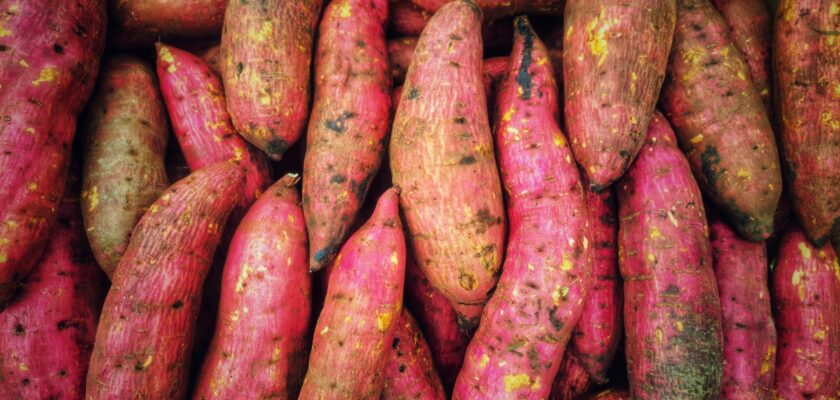
3. Sweet Potatoes
The humble sweet potato deserves more attention when it comes to heart-friendly eating.
Sweet potatoes provide potassium and fiber, and the American Heart Association specifically identifies them as a potassium-rich food.
The preparation method matters, however. Loading a sweet potato with salt, butter and sugary toppings can quickly change its nutritional profile.
Instead, try baking or roasting one and seasoning it with herbs and spices. Cinnamon can add flavor without adding sodium.
4. Berries
Blueberries, strawberries, raspberries and blackberries are naturally sweet alternatives to many highly processed desserts and snacks.
They’re also rich in plant compounds and provide fiber as part of a diet emphasizing whole fruits.
The DASH eating plan recommends approximately four to five daily servings of fruit for someone following a 2,000-calorie diet, although individual calorie and nutritional needs vary.
Fresh berries can be delicious on their own, but frozen berries are another convenient choice. Just check the package for added sugars.
Try berries with oatmeal, plain yogurt or a small portion of unsalted nuts.
5. Beans
Black beans, kidney beans, white beans and lima beans can be excellent additions to a heart-conscious diet.
Beans provide plant-based protein and fiber, while several varieties are also good sources of potassium. Beans, peas and other legumes are included in the DASH eating pattern.
There is one catch: canned beans can contain considerable sodium.
Look for low-sodium or no-salt-added beans, or drain and rinse regular canned beans before eating them. The American Heart Association says draining and rinsing canned beans and vegetables may reduce their sodium content by up to 40%.
Beans work well in soups, salads, chili and simple side dishes.
6. Plain Low-Fat Yogurt
Plain low-fat or fat-free yogurt can provide protein and calcium, and some varieties also contain a meaningful amount of potassium.
Low-fat dairy products are a core component of the DASH eating plan, which generally recommends two to three servings per day for a 2,000-calorie diet.
The key word is plain.
Some flavored yogurts contain substantial amounts of added sugar. Instead, consider buying plain yogurt and adding fresh berries, sliced banana or cinnamon for natural flavor.
7. Oatmeal
A bowl of oatmeal can be a simple way to start the day with a whole grain and additional fiber.
Whole grains are another central component of the DASH diet. The National Heart, Lung, and Blood Institute includes oatmeal among the grain choices that can be incorporated into the eating plan.
Be careful with heavily sweetened instant oatmeal packets, which may contain added sugar and sodium.
Plain old-fashioned or steel-cut oats give you more control over what goes into your breakfast.
For extra flavor, try adding berries, banana slices, cinnamon or a few unsalted nuts.
8. Salmon
Salmon can be an excellent protein choice for people trying to build a more heart-friendly diet.
The American Heart Association’s recommended heart-healthy eating pattern emphasizes fish alongside fruits, vegetables, whole grains, nuts, legumes and low-fat dairy products.
Salmon also provides unsaturated fats, including omega-3 fatty acids.
Preparation is important. Instead of heavily salting salmon or covering it in a high-sodium sauce, try baking or grilling it with lemon, garlic, pepper and herbs.
9. Unsalted Nuts
A small handful of nuts can provide protein, fiber, minerals and unsaturated fats.
Nuts and seeds are included in the DASH eating plan, which recommends roughly four to five servings per week for a 2,000-calorie diet.
For people watching their blood pressure, unsalted nuts are generally the smarter choice because they allow you to enjoy the nutritional benefits without unnecessary sodium.
Walnuts, almonds and pistachios can be eaten as snacks or sprinkled over oatmeal, yogurt and salads.
Because nuts are calorie-dense, portion size still matters. A small handful can go a long way.
10. Avocados
Avocados provide unsaturated fats, fiber and potassium, making them another useful food for a heart-conscious eating pattern.
The American Heart Association includes avocado on its list of potassium-containing foods.
Try adding sliced avocado to a salad, spreading it on whole-grain toast or using it in place of some higher-saturated-fat toppings.
Just remember that avocados are relatively calorie-dense, so reasonable portions are important if you’re also managing your weight.
The Bigger Picture: It’s Not Just About One Food
Adding bananas or spinach to your diet won’t cancel out a diet consistently high in sodium and heavily processed foods.
The overall eating pattern matters much more.
Research funded by the National Heart, Lung, and Blood Institute found that the DASH diet lowered blood pressure, and combining the DASH approach with reduced sodium produced an even greater blood-pressure benefit.
A heart-friendly diet generally emphasizes:
- Fruits and vegetables
- Whole grains
- Beans and legumes
- Unsalted nuts and seeds
- Fish and lean proteins
- Low-fat or fat-free dairy
- Foods naturally rich in potassium
- Less sodium, added sugar and saturated fat
The standard DASH eating plan sets sodium at no more than 2,300 milligrams per day, while NHLBI notes that reducing intake to 1,500 milligrams daily can lower blood pressure even further for some people.
Why Potassium Deserves Attention
Sodium often receives most of the attention when discussing blood pressure, but potassium is important as well.
Potassium helps the body process sodium and helps relax blood vessel walls. The American Heart Association recommends getting potassium primarily through food and notes that potassium-rich diets can help manage high blood pressure.
That makes foods such as bananas, potatoes, leafy greens, beans, yogurt and avocados particularly useful additions to a balanced eating pattern.
There is an important exception.
People with kidney disease, certain medical conditions or those taking medications that affect potassium should speak with a health care professional before deliberately increasing potassium or using potassium supplements or potassium-based salt substitutes. Too much potassium can be dangerous in some circumstances.
Small Changes Can Add Up
You don’t have to completely overhaul your diet overnight.
Replacing a salty packaged snack with fruit and unsalted nuts, choosing oatmeal instead of a sugary breakfast pastry, adding vegetables to dinner or buying no-salt-added beans are all relatively simple changes.
Cooking more meals at home can also make it easier to control sodium. Herbs, garlic, lemon juice, pepper and other seasonings can add plenty of flavor without relying heavily on salt.
The goal isn’t perfection. It’s creating an eating pattern you can realistically maintain.
Bottom Line
When it comes to supporting healthy blood pressure, your everyday food choices matter.
Bananas, leafy greens, sweet potatoes, berries, beans, plain low-fat yogurt, oatmeal, salmon, unsalted nuts and avocados are all nutritious foods that can fit comfortably into a blood-pressure-friendly diet.
But no individual food should be viewed as a treatment for hypertension. The strongest approach is a balanced eating pattern — such as DASH — combined with appropriate physical activity, weight management, adequate sleep and medical care when needed.
If you’ve already been diagnosed with high blood pressure, continue taking any prescribed medication as directed. Dietary changes should complement your treatment plan rather than replace it.
This article is for general informational and educational purposes only and is not intended to diagnose, treat, cure or prevent any disease. Talk with your physician or another qualified health care professional about questions regarding blood pressure, diet, medications or significant dietary changes.

