
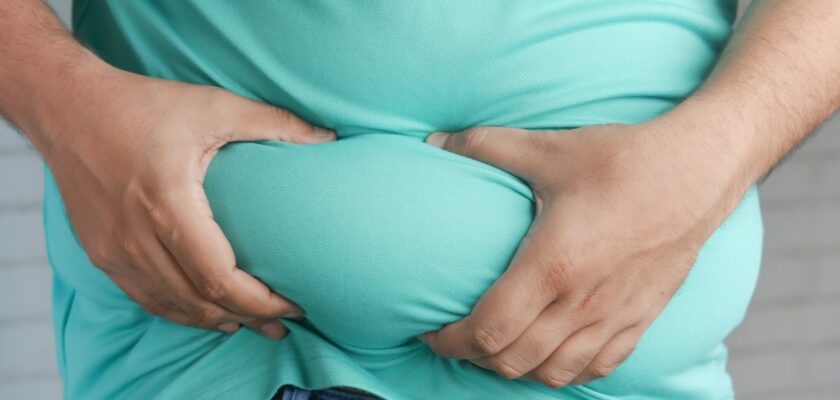
If it seems like belly fat becomes more stubborn after age 50, there is a biological reason for it.
Many adults reach their 50s and discover that the habits that once kept their weight under control no longer seem to work as well. The scale may slowly creep upward, pants may become tighter around the waist, and losing a few pounds can require more effort than it did at 30 or 40.
This change isn’t simply about willpower. Aging can affect muscle mass, calorie needs, hormones, activity levels and where the body tends to store fat. Together, those changes can make maintaining a healthy waistline more challenging.
The good news is that gaining belly fat after 50 is not inevitable. Understanding what changes with age can make it easier to adjust your diet and exercise habits accordingly.
Why Belly Fat Often Increases With Age
One of the biggest changes involves muscle.
Adults generally lose muscle mass as they get older, particularly when they aren’t regularly physically active. Because muscle tissue requires energy, having less muscle can reduce the number of calories your body uses.
That means someone may continue eating roughly the same amount of food they ate years earlier while gradually gaining weight because their body’s energy needs have changed.
At the same time, everyday activity can decline.
A demanding job may become more sedentary. Aching knees or other physical limitations may discourage exercise. People may walk less, spend more time sitting and gradually burn fewer calories without realizing how much their routine has changed.
The result can be a slow accumulation of body fat, often around the waist.
Hormones Can Change Where Fat Is Stored
Hormonal changes can also affect body composition.
This is particularly noticeable among women approaching and going through menopause.
Estrogen levels decline during menopause, and research suggests this hormonal shift can influence where the body stores fat. Instead of accumulating primarily around the hips and thighs, more fat may begin appearing around the abdomen.
That doesn’t mean menopause alone causes weight gain. Aging, genetics, diet, sleep and physical activity remain important.
But hormonal changes help explain why a woman can notice a larger waistline even when her overall body weight hasn’t changed dramatically.
Men face age-related hormonal and body-composition changes as well. Regardless of sex, preserving muscle becomes increasingly important as the years pass.
Not All Belly Fat Is the Same
There are two major forms of abdominal fat.
Subcutaneous fat sits beneath the skin and is the softer fat you can pinch.
Visceral fat lies deeper inside the abdomen and surrounds internal organs.
It is visceral fat that raises greater health concerns.
Excess visceral fat has been associated with problems including high blood pressure, abnormal cholesterol levels, elevated blood sugar, heart disease and type 2 diabetes.
For that reason, reducing excess abdominal fat isn’t merely about fitting into an old pair of jeans. Maintaining a healthy waistline can be an important part of protecting your health as you age.
Why Eating Less Isn’t Always the Best Strategy
When people want to lose belly fat, their first instinct is often to dramatically cut calories.
That approach can backfire if the diet becomes overly restrictive or makes it difficult to consume adequate protein and nutrients.
After 50, maintaining muscle should be part of any sensible weight-management strategy. Losing weight while also losing substantial muscle isn’t the goal.
Instead, focus on foods that provide plenty of nutrition without excessive calories.
A practical diet can emphasize vegetables, fruit, beans, whole grains, nuts, lean proteins and other minimally processed foods while limiting heavily processed foods, sugary drinks and unnecessary high-calorie snacks.
Protein-rich foods can also make it easier to build meals around foods such as eggs, fish, poultry, Greek yogurt, cottage cheese, beans and lentils.
The exact amount of protein that’s appropriate varies by person, especially for anyone with certain medical conditions, so individualized dietary questions are best discussed with a physician or registered dietitian.
Strength Training Becomes Increasingly Important
Walking is excellent exercise, but adults trying to improve body composition shouldn’t overlook resistance training.
Strength training helps preserve and build muscle, which becomes increasingly valuable with age.
You don’t necessarily need a complicated bodybuilding program. Resistance can come from dumbbells, weight machines, resistance bands or body-weight movements.
The CDC recommends that adults 65 and older perform muscle-strengthening activities involving the major muscle groups at least two days per week, in addition to aerobic and balance activities.
For someone who hasn’t exercised regularly in years, however, there’s no reason to start aggressively.
Gradually increasing activity can be more realistic and sustainable.
Walking Still Matters
Strength training shouldn’t replace cardiovascular exercise.
A brisk daily walk remains one of the simplest ways to increase activity, and it requires little more than a comfortable pair of shoes.
Swimming, cycling, dancing, gardening and other activities can count as well.
For adults 65 and older, the CDC recommends at least 150 minutes of moderate-intensity aerobic activity each week, or 75 minutes of vigorous activity, or an equivalent combination.
You don’t have to complete all of that exercise at once.
A 30-minute walk five days per week reaches 150 minutes, and shorter periods of activity can add up throughout the day.
Don’t Expect Hundreds of Sit-Ups to Melt Belly Fat
One of the most persistent weight-loss myths is that abdominal exercises specifically burn abdominal fat.
Exercises such as planks and controlled abdominal movements can strengthen your core, but they shouldn’t be treated as a magic method for eliminating fat around your waist.
A better approach combines healthy eating, regular aerobic activity and resistance training.
Think of the goal as improving your overall body composition rather than trying to force your body to remove fat from one particular location.
Sleep Deserves More Attention After 50
Diet and exercise receive most of the attention, but sleep shouldn’t be ignored.
A consistent sleep schedule can support overall health and make it easier to maintain healthy routines. Being exhausted can also make exercise less appealing and convenience foods more tempting.
Sleep problems can become more common during midlife, particularly among women experiencing menopausal symptoms. Mayo Clinic notes that sleep disturbances and other menopause-related symptoms may indirectly contribute to weight gain by making it harder to remain physically active.
If poor sleep has become persistent, discussing the problem with a healthcare professional may be worthwhile rather than simply accepting it as part of aging.
Alcohol Can Add Calories Quickly
Alcohol is another factor that’s easy to overlook.
Beer, wine and cocktails can contain significant calories without providing much fullness. Drinking can therefore make maintaining a calorie deficit more difficult.
Mayo Clinic also identifies alcohol consumption as one factor that can contribute to belly fat.
You don’t necessarily need to eliminate alcohol completely unless advised to do so by your healthcare provider. But someone struggling to lose abdominal fat may benefit from examining how frequently they drink and how many calories those beverages contribute each week.
A Simple Strategy for Tackling Belly Fat After 50
Complicated diets aren’t necessary for everyone. Consistency usually matters more than chasing the newest weight-loss trend.
A reasonable starting strategy is to:
- Build most meals around minimally processed foods and include a source of protein.
- Reduce sugary drinks, oversized portions and frequent high-calorie snacks.
- Walk or perform another aerobic activity regularly.
- Include resistance training at least twice a week.
- Break up long periods of sitting with movement.
- Prioritize consistent, adequate sleep.
- Keep alcohol and other calorie-heavy drinks in check.
- Track progress over months rather than expecting dramatic changes in days.
Most importantly, choose habits you can realistically continue.
Losing weight rapidly for several weeks and then abandoning an extreme diet is unlikely to produce lasting results.
The Scale Doesn’t Tell the Whole Story
Body weight is only one measurement of progress.
If you’re exercising regularly, you may gain or preserve muscle while losing body fat. That means changes in your waistline, strength, fitness and how your clothes fit can sometimes provide useful information beyond the bathroom scale.
Waist circumference can also offer information about abdominal fat.
Mayo Clinic notes that a waist circumference above 35 inches for women or 40 inches for men is associated with greater health risks, although individual risk depends on many factors.
When to Talk With Your Doctor
Gradual changes in body composition are common with age, but unexplained or rapid weight gain deserves medical attention.
Certain medications and medical conditions can affect weight, appetite, energy levels or fluid retention.
Anyone with heart disease, diabetes, significant joint problems or another chronic condition should also consider talking with a healthcare professional before making major changes to exercise or diet. The CDC similarly recommends that people with chronic conditions discuss appropriate activity levels with their doctor when their condition may limit exercise.
The Bottom Line
Belly fat can become harder to lose after 50, but harder doesn’t mean impossible.
Age-related muscle loss can lower calorie needs. Activity levels may decline. Hormonal changes can influence where fat is stored, particularly for women during and after menopause. Genetics, diet, sleep and lifestyle habits can contribute as well.
Trying to eat as little as possible or spending hours doing abdominal exercises usually misses the bigger picture.
A more sustainable strategy is to preserve muscle, stay physically active, eat nutrient-dense foods and make modest changes that can be maintained for years rather than weeks.
The objective isn’t simply a smaller waist.
It’s maintaining the strength, mobility and metabolic health that can help you stay active and independent well into your 60s, 70s and beyond.
This article is for general educational purposes and is not a substitute for individualized medical advice, diagnosis or treatment.

