
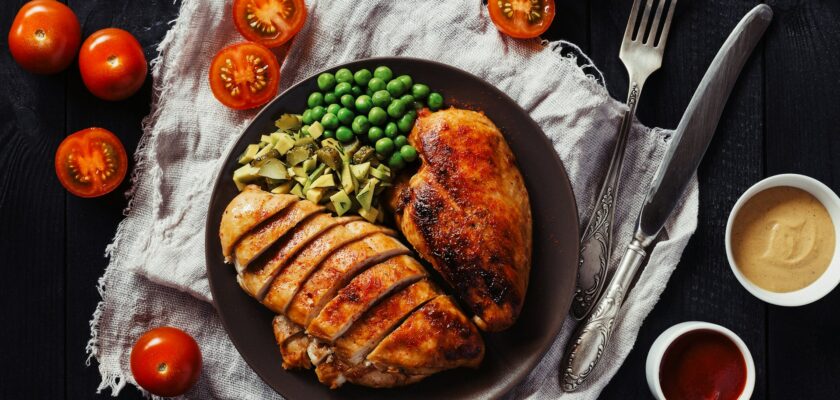
Protein is one of the nutrients your body relies on every day.
It helps maintain muscle, supports normal immune function, contributes to healthy bones and tissues, and provides the building blocks needed to repair cells.
But getting enough protein can become more important as we get older. Adults may gradually lose muscle mass with age, particularly if they are inactive or aren’t eating enough protein and overall calories. That makes a balanced diet containing adequate protein an important part of healthy aging.
Protein needs aren’t identical for everyone. Your age, body size, activity level, overall diet, and health can all affect how much you need. And while an occasional low-protein meal isn’t usually a concern, consistently falling short may eventually affect how you feel and function.
Here are eight possible signs that your diet may not be providing enough protein, along with practical ways to improve your intake.
1. You’re Losing Muscle or Strength
One of the most important roles of dietary protein is helping the body maintain and repair muscle tissue.
When protein intake is inadequate over time—especially when overall calorie intake is also low—the body may have more difficulty maintaining muscle mass. You might notice that you’re weaker than you used to be or that everyday activities require more effort.
Age can complicate matters. Muscle mass naturally tends to decline as people get older, which makes good nutrition and regular physical activity increasingly important.
However, unexplained muscle loss or weakness shouldn’t automatically be blamed on protein. Numerous medical conditions can cause similar symptoms, so significant or persistent changes deserve medical attention.
2. You’re Hungry Soon After Eating
If you regularly finish a meal only to feel hungry again shortly afterward, take a closer look at what’s on your plate.
Protein can contribute to feelings of fullness, particularly when it is eaten as part of a balanced meal that also contains fiber and healthy fats.
A breakfast consisting mostly of refined carbohydrates, for example, may be less satisfying for some people than one that also includes eggs, Greek yogurt, cottage cheese, nuts, or another protein-rich food.
Frequent hunger doesn’t necessarily mean you have a protein deficiency. Meal size, fiber intake, sleep, medications, activity and many other factors can influence appetite. Still, adding a sensible source of protein to meals may help make them more satisfying.
3. Your Hair Seems Thinner or More Fragile
Hair contains a structural protein called keratin, so adequate nutrition plays an important role in maintaining normal hair growth.
Severe nutritional deficiencies, restrictive diets, rapid weight loss, or inadequate calorie and protein intake can sometimes contribute to changes in the hair.
But hair loss has many possible causes, including genetics, hormonal changes, thyroid problems, stress, certain medications, and deficiencies involving other nutrients.
For that reason, sudden or substantial hair loss should be discussed with a healthcare professional rather than treated simply by eating more protein or taking supplements.
4. You’re Having Trouble Maintaining Your Weight
Unexpected weight loss can sometimes occur when a person isn’t consuming enough calories, protein, or other essential nutrients.
This may be particularly important for older adults who experience a reduced appetite. Eating smaller portions over time can make it harder to consume adequate calories and protein, potentially contributing to loss of both body weight and muscle.
Adding nutrient-dense foods such as eggs, dairy products, beans, fish, poultry, nuts, seeds, or soy foods can increase the nutritional value of meals without necessarily requiring dramatically larger portions.
Unintentional weight loss, however, can also be a warning sign of an underlying health problem. If you’re losing weight without trying, speak with your doctor.
5. Cuts and Scrapes Seem Slow to Heal
Your body requires amino acids—the components of protein—to build and repair tissues. That makes adequate protein one part of the nutritional foundation involved in normal wound healing.
Someone who is significantly undernourished may have greater difficulty recovering from wounds.
Protein isn’t the only factor, though. Vitamin and mineral status, circulation, age, medications, infections, blood sugar and numerous medical conditions can influence healing.
A wound that isn’t healing normally should be evaluated by a healthcare professional, especially if there are signs of infection.
6. You Frequently Feel Weak or Run Down
Persistent weakness can have many causes, but inadequate nutrition is one possibility.
If your diet consistently fails to provide enough calories or protein, maintaining normal muscle tissue and physical performance can become more difficult.
Consider whether your meals contain a meaningful source of protein. A lunch consisting only of crackers and fruit, for instance, could be made more substantial by adding tuna, chicken, cheese, yogurt, beans, hummus, or nuts.
Don’t assume protein is the explanation for ongoing fatigue or weakness. Anemia, sleep problems, thyroid disorders, infections, medications and many other conditions can cause similar symptoms.
7. Your Nails Have Become Brittle
Like hair, nails are largely composed of keratin.
Poor overall nutrition can sometimes affect the appearance or strength of the nails, and insufficient protein may be one contributing factor when someone’s diet is severely inadequate.
However, brittle nails are extremely common and aren’t a reliable way to diagnose low protein intake. Frequent exposure to water or cleaning products, aging, iron deficiency and certain medical conditions can also affect the nails.
Think of nail changes as a reason to examine your overall nutrition rather than proof that you need a protein supplement.
8. You’re Struggling to Recover From Exercise
Exercise places demands on muscle tissue, and dietary protein supplies amino acids the body can use during muscle repair and remodeling.
If you’re physically active but routinely eating very little protein, recovery may be more difficult. You may also find it harder to maintain or build muscle despite exercising regularly.
A balanced meal containing protein after physical activity can support recovery. You don’t necessarily need an expensive protein shake, either. Foods such as milk, yogurt, eggs, chicken, fish, tofu, beans, or cottage cheese can provide protein.
Persistent pain, unusual weakness, or a sudden decline in exercise tolerance should be evaluated rather than assumed to be a dietary issue.
How Much Protein Do You Actually Need?
For most healthy adults, the standard U.S. Recommended Dietary Allowance for protein is approximately 0.8 grams per kilogram of body weight per day, or about 0.36 grams per pound.
That works out to roughly:
- A 150-pound adult: about 54 grams per day
- A 175-pound adult: about 63 grams per day
- A 200-pound adult: about 72 grams per day
The RDA is a general benchmark, not a personalized prescription. Some people—including certain older adults and people who exercise regularly—may benefit from different amounts depending on their circumstances.
People with kidney disease or certain other medical conditions may also need individualized guidance about protein intake. If you’re unsure, a doctor or registered dietitian can help determine an appropriate target.
Easy Ways to Add More Protein to Your Diet
Getting more protein doesn’t have to mean dramatically changing the way you eat. Many familiar foods provide substantial amounts.
Eggs can make breakfast more filling. Greek yogurt and cottage cheese can work as snacks or breakfast foods. Chicken, turkey and fish provide high-quality protein for lunch and dinner.
Plant-based options are plentiful as well. Beans, lentils, peas, tofu, nuts and seeds can contribute protein along with other valuable nutrients.
Try spreading protein across the day rather than consuming nearly all of it at dinner. Adding a protein source to breakfast, lunch, dinner and, when appropriate, snacks can make meeting your daily needs easier.
Whole foods are usually a practical place to start. Protein powders and shakes can be convenient, but most healthy adults don’t need supplements simply because they want to increase their protein intake.
Don’t Ignore Persistent Symptoms
Many of the signs associated with inadequate protein are nonspecific. Fatigue, weakness, hair loss, weight changes and slow wound healing can occur for reasons completely unrelated to protein intake.
That’s why symptoms alone cannot diagnose a protein deficiency.
If you’re concerned, consider keeping track of what you normally eat for several days and discussing it with a healthcare professional or registered dietitian. Seek medical advice for unexplained weight loss, substantial weakness, persistent fatigue, significant hair loss, poor wound healing, or other concerning changes.
The Bottom Line
Protein is essential at every stage of life, and maintaining adequate intake can become particularly important as you grow older.
Possible warning signs of inadequate nutrition can include loss of muscle or strength, persistent hunger, hair changes, unexplained weight loss, slow wound healing, weakness, brittle nails, and difficulty recovering from exercise.
None of these symptoms proves that you’re protein deficient. But they can provide a useful reason to examine the overall quality of your diet.
For many people, the solution may be surprisingly simple: build meals around nutritious whole foods and make sure each meal contains a reasonable source of protein.
Medical disclaimer: This article is provided for general educational and informational purposes only and is not intended to diagnose, treat, cure, or prevent any medical condition. Individual nutritional needs vary. Consult a qualified healthcare professional or registered dietitian for advice based on your personal health needs.

