
Doctors often tell you what not to eat, but when was the last time they told you what to eat more of.
When it comes to protecting your heart, you do not necessarily need expensive supplements, specialty products, or a complicated diet. Many foods associated with heart-healthy eating are ordinary items that can be found in almost any grocery store.
Heart disease remains a major health concern, especially as people get older. While genetics and medical history can affect a person’s risk, everyday habits also matter. Eating a balanced diet, staying physically active, maintaining a healthy weight, avoiding tobacco, and managing conditions such as high blood pressure and high cholesterol can all play important roles in cardiovascular health.
The good news is that improving your diet does not have to mean changing everything you eat overnight.
Here are some everyday foods commonly included in heart-healthy eating patterns—and simple ways to add more of them to your meals.
1. Oatmeal
A bowl of oatmeal may be one of the simplest heart-friendly breakfasts.
Oats contain soluble fiber, including beta-glucan. Soluble fiber can help reduce the absorption of cholesterol in the digestive system and may contribute to healthier cholesterol levels when consumed as part of an overall balanced diet.
Plain oatmeal is generally a better everyday choice than heavily sweetened varieties. For additional flavor, try adding berries, sliced apples, cinnamon, or a small portion of nuts.
For people who grew up eating eggs, bacon, sausage, or sugary cereal for breakfast, oatmeal can be an easy way to introduce more whole grains and fiber without making breakfast complicated.
2. Berries
Strawberries, blueberries, raspberries, and blackberries offer more than natural sweetness.
Berries contain fiber, vitamins, and plant compounds known as antioxidants. They can fit easily into eating patterns that emphasize fruits and vegetables while limiting foods high in added sugar, sodium, and saturated fat.
Fresh berries are convenient, but frozen berries can be an economical alternative. Just check the ingredient list for added sugar.
Add berries to oatmeal, plain yogurt, whole-grain cereal, or simply eat them as a snack.
3. Beans
Beans are inexpensive, filling, and surprisingly versatile.
Black beans, kidney beans, chickpeas, navy beans, and other legumes provide plant-based protein and fiber. Replacing some meals centered on processed or high-fat meats with beans can also help reduce saturated fat intake.
Beans can be added to soups, salads, chili, casseroles, and side dishes.
Canned beans are convenient, although sodium levels can vary considerably. Choosing low-sodium or no-salt-added varieties—and draining and rinsing regular canned beans—can help reduce sodium intake.
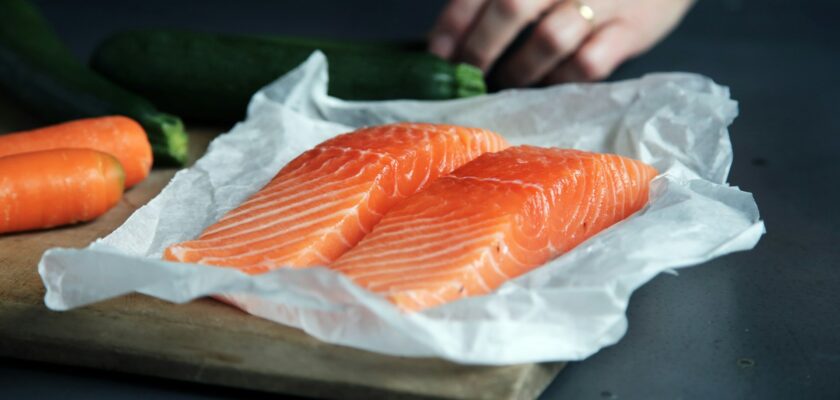
4. Salmon and Other Fatty Fish
Fish is another food frequently associated with heart-healthy eating.
Fatty fish such as salmon, sardines, trout, and mackerel contain omega-3 fatty acids. These fats have been widely studied for their relationship with cardiovascular health.
How the fish is prepared matters. Baking, grilling, or roasting fish can be preferable to deep-frying it or covering it with heavy sauces.
For people who rarely eat fish, even occasionally replacing a meal centered on processed or fatty meat with fish can add more variety to the diet.
5. Walnuts and Other Nuts
A small handful of nuts can make a satisfying snack.
Walnuts, almonds, pistachios, pecans, and other nuts provide unsaturated fats, fiber, protein, vitamins, and minerals. They can be particularly useful as a substitute for snacks such as chips, cookies, or pastries.
Portion size still matters because nuts are calorie-dense.
Unsalted or lightly salted varieties may also be a better option for people trying to keep their sodium intake under control.
6. Leafy Green Vegetables
There is a reason vegetables appear in almost every conversation about healthy eating.
Spinach, kale, collard greens, romaine lettuce, and other leafy vegetables contain vitamins, minerals, fiber, and naturally occurring plant compounds.
Eating more vegetables can also help make meals more filling without relying entirely on foods high in calories, saturated fat, or sodium.
Greens do not have to mean eating a large bowl of plain salad. Spinach can be mixed into eggs, soups, pasta, and casseroles, while collard greens and kale can be prepared as side dishes.
The preparation method can make a significant difference. Adding large amounts of butter, salt, bacon, or creamy dressing can substantially change the nutritional profile of an otherwise healthy vegetable.
7. Avocados
Avocados have become popular for good reason.
They contain mostly unsaturated fats along with fiber and several important nutrients. Using avocado in place of foods high in saturated fat can be one way to modify meals without eliminating fat entirely.
Try sliced avocado on whole-grain toast, in salads, alongside eggs, or as part of homemade guacamole.
Avocados are calorie-dense, however, so reasonable portions remain important.
8. Apples
One of America’s most familiar fruits also deserves a place on a heart-conscious grocery list.
Apples provide fiber and can be a convenient alternative to highly processed snacks. They require virtually no preparation and are easy to take to work, keep in the refrigerator, or pack while traveling.
Whenever practical, eating the whole fruit is generally preferable to drinking fruit juice because whole fruit retains its fiber and can be more filling.
Pairing an apple with a small serving of unsalted nuts can make a simple afternoon snack.
9. Olive Oil
Changing the type of fat used in the kitchen can be just as important as reducing fat altogether.
Olive oil, particularly extra-virgin olive oil, is rich in monounsaturated fat. It is commonly associated with Mediterranean-style eating patterns, which emphasize vegetables, fruits, whole grains, legumes, fish, nuts, and unsaturated fats.
Olive oil can be used for cooking, drizzled over vegetables, or combined with vinegar for a simple salad dressing.
It is still high in calories, so more is not automatically better.
10. Tomatoes
Tomatoes are affordable, widely available, and easy to incorporate into meals.
They provide potassium, vitamin C, and lycopene, a plant compound responsible for their familiar red color.
Fresh tomatoes can be added to sandwiches, salads, eggs, and side dishes. Canned tomatoes are also convenient for soups, chili, pasta dishes, and homemade sauces.
When buying canned tomato products or prepared sauces, check the nutrition label. Some products contain surprisingly large amounts of sodium or added sugar.
11. Whole Grains
Replacing refined grains with whole grains is another relatively simple dietary change.
Brown rice, oatmeal, barley, quinoa, and products made with whole wheat provide more fiber and nutrients than many highly refined alternatives.
When buying bread, crackers, or cereal, do not rely solely on phrases such as “multigrain” or “made with whole grains” on the front of the package. Reading the ingredient list and Nutrition Facts label can provide a clearer picture of what you are actually buying.
Fiber content, sodium, added sugars, and serving size are all worth checking.
12. Plain Yogurt
Yogurt can provide protein, calcium, and other nutrients, but not every container is nutritionally identical.
Some flavored yogurts contain substantial amounts of added sugar. Plain yogurt provides greater control because you can add your own fruit, nuts, cinnamon, or a small amount of another sweetener.
Greek yogurt is another popular option because many varieties contain considerable protein.
People managing specific medical conditions or dietary restrictions should choose dairy products according to guidance from their healthcare professional.
What Should You Eat Less Often?
Adding nutritious foods is only part of the equation.
A heart-conscious eating pattern generally places less emphasis on foods high in sodium, added sugars, and saturated or trans fats. That can include certain processed meats, fried foods, sugary beverages, pastries, heavily processed snacks, and some fast-food meals.
That does not mean one hamburger, piece of cake, or bag of chips determines whether a diet is healthy.
The overall eating pattern matters far more than a single meal.
Small Changes Can Be Easier to Maintain
One of the biggest mistakes people make when trying to eat healthier is attempting to completely overhaul their diet in a matter of days.
A more manageable approach may be to make gradual substitutions.
Instead of a sugary breakfast, try oatmeal and berries. Replace an afternoon bag of chips with an apple and a few nuts. Add beans to soup or chili. Serve fish instead of processed meat for an occasional dinner. Use herbs, spices, garlic, or lemon to add flavor without automatically reaching for the salt shaker.
Small changes repeated consistently can become long-term habits.
Don’t Forget About Sodium
For many adults—particularly those concerned about blood pressure—sodium deserves attention.
A surprising amount of dietary sodium does not come directly from the salt shaker. It can be found in restaurant meals, packaged foods, deli meats, canned soups, sauces, frozen dinners, and other processed products.
Reading Nutrition Facts labels and comparing similar products can reveal major differences in sodium content.
People who have been given specific sodium, potassium, fluid, or other dietary restrictions by a healthcare professional should follow their individualized medical advice.
A Heart-Healthy Grocery List Doesn’t Have to Be Complicated
A practical grocery cart might include oatmeal, berries, apples, leafy vegetables, tomatoes, beans, whole-grain bread, brown rice, salmon, plain yogurt, nuts, and olive oil.
None of these foods is a miracle cure, and no individual ingredient can guarantee protection from heart disease.
Instead, their value comes from being part of a broader eating pattern built around minimally processed foods, fruits and vegetables, whole grains, healthy sources of protein, and appropriate portions.
For many adults, particularly those over 50, the most sustainable strategy may be surprisingly straightforward: focus less on chasing the newest diet trend and more on improving the foods that regularly appear on the breakfast table, dinner plate, and grocery list.
The Bottom Line
Eating for better heart health does not require exotic ingredients or a refrigerator full of expensive specialty products.
Oatmeal, beans, berries, leafy greens, apples, tomatoes, nuts, fish, whole grains, yogurt, avocados, and olive oil are familiar foods that can fit into a heart-conscious diet.
The key is the overall pattern.
Choosing more whole and minimally processed foods while keeping an eye on sodium, added sugar, saturated fat, and portion sizes can help build a more nutritious diet that is realistic enough to maintain over the long term.
Medical disclaimer: This article is for general educational purposes and is not a substitute for professional medical advice, diagnosis, or treatment. Dietary needs can vary considerably, especially for people with heart disease, kidney disease, diabetes, high blood pressure, food allergies, or those taking certain medications. Consult a qualified healthcare professional before making significant changes to your diet or treatment plan.

