
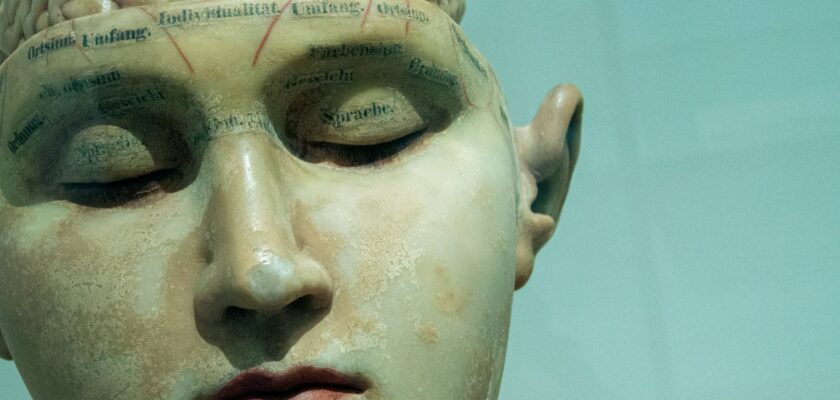
Your heart isn’t the only organ at risk — your brain depends on healthy blood pressure too.
High blood pressure doesn’t just affect your heart — it can quietly damage your brain long before a major medical emergency strikes. Often called the “silent killer,” uncontrolled blood pressure may slowly reduce blood flow to the brain, raising the risk of memory loss, cognitive decline, and even stroke.
For adults over 50, recognizing these warning signs early can make a life-changing difference.
Below are key signs your blood pressure may already be harming your brain, plus what you can do to protect yourself.
1. Frequent Memory Problems or Brain Fog
If you’re forgetting names, appointments, or familiar words more often than usual, high blood pressure could be a hidden contributor.
Chronic hypertension can:
- Narrow or damage small blood vessels in the brain
- Reduce oxygen delivery to brain cells
- Accelerate age-related memory decline
Over time, this can increase the risk of vascular dementia, a condition caused by impaired blood flow rather than Alzheimer’s disease.
2. Trouble Concentrating or Slower Thinking
Struggling to focus on conversations, reading, or problem-solving tasks may not just be “getting older.”
High blood pressure has been linked to:
- Slower mental processing
- Difficulty multitasking
- Reduced attention span
These changes can occur gradually and often go unnoticed until daily activities become more difficult.
3. Frequent Headaches — Especially in the Morning
While not everyone with high blood pressure gets headaches, persistent or unexplained headaches can be a red flag when blood pressure is poorly controlled.
Warning signs include:
- Headaches that feel deep or pounding
- Pain behind the eyes
- Headaches accompanied by dizziness or blurred vision
Morning headaches may be especially concerning, as blood pressure often spikes during sleep.
4. Dizziness, Balance Issues, or Lightheadedness
If you feel unsteady on your feet or experience sudden dizziness, your brain may not be getting enough consistent blood flow.
Hypertension can damage areas of the brain responsible for:
- Balance
- Coordination
- Spatial awareness
This raises the risk of falls — a serious concern for older adults.
5. Vision Changes or Blurred Sight
The brain and eyes are closely connected. High blood pressure can damage blood vessels that supply both.
Possible symptoms include:
- Blurred or double vision
- Temporary vision loss
- Difficulty focusing
These issues may signal damage in the brain’s visual processing centers or early signs of a stroke.
6. Mini-Strokes (TIAs) You May Not Notice
Transient Ischemic Attacks (TIAs), often called “mini-strokes,” are temporary blockages of blood flow to the brain. They can last minutes and disappear — but they are serious warnings.
Symptoms may include:
- Sudden confusion
- Slurred speech
- Weakness on one side of the body
Many people ignore these episodes because they resolve quickly, but they dramatically increase the risk of a full stroke.
7. Mood Changes, Irritability, or Depression
High blood pressure doesn’t just affect thinking — it can impact emotional health.
Reduced blood flow to certain brain regions has been linked to:
- Increased irritability
- Anxiety
- Depression
When these changes appear without a clear cause, blood pressure should be checked.
Why Brain Damage From High Blood Pressure Is Often Missed
Hypertension damages the brain slowly and silently. Unlike a heart attack or major stroke, early brain injury may show up as subtle mental or emotional changes that are easy to dismiss.
Unfortunately, by the time symptoms become severe, some damage may already be permanent.
How to Protect Your Brain Starting Now
The good news: controlling blood pressure can significantly reduce brain damage risk — even later in life.
Doctor-approved steps include:
- Regular blood pressure monitoring
- Daily walking or light exercise
- Reducing salt and processed foods
- Managing stress and improving sleep
- Following your doctor’s treatment plan
Small, consistent lifestyle changes can dramatically improve brain health over time.
The Bottom Line
If you’re experiencing memory issues, headaches, dizziness, or unexplained mood changes, don’t ignore them. High blood pressure may be silently harming your brain.
Catching the problem early could help protect your independence, mental clarity, and quality of life for years to come.

